Bitcoin’s $300K gold pattern now depends on whether Iran’s oil shock rewrites the Fed path

Bitcoin's trajectory is currently intertwined with global economic shifts, particularly the recent developments surrounding Iran's oil production. Analysts, including James Easton from Real Vision, have drawn parallels between Bitcoin's price movements and historical trends in gold. As gold experienced significant fluctuations over the past decade, culminating in a forecast of reaching over $5,400 by early 2026, Bitcoin is now being analyzed through a similar lens. The crux of the matter lies in whether the ongoing oil crisis, primarily sparked by geopolitical tensions in Iran, will influence the Federal Reserve's monetary policies and subsequently impact Bitcoin's price dynamics.
To understand the implications of this situation, we need to look back at how gold has historically reacted to economic stress and shifts in monetary policy. After peaking around $1,900 in 2011, gold spent several years stabilizing before making a significant comeback, driven by factors such as inflation fears and currency fluctuations. This historical context sets the stage for Bitcoin, which has often been dubbed digital gold. The patterns established in gold's price movements may serve as a predictive model for Bitcoin, especially during times of economic uncertainty.
The potential impact on the cryptocurrency market is substantial. If the situation in Iran escalates, leading to a disruption in oil supply, it could trigger inflationary pressures that might compel the Federal Reserve to adjust interest rates. Such a shift could rekindle investor interest in Bitcoin as a hedge against inflation, potentially driving its price toward the anticipated $300,000 mark. This scenario would create a ripple effect not only for Bitcoin but for the broader cryptocurrency market, as investor sentiment often moves in tandem across various assets.
Industry reactions have been mixed, with some experts expressing optimism about Bitcoin's potential rise, while others caution against over-reliance on historical patterns. The volatility inherent in both Bitcoin and global oil markets means that predictions can vary widely. Crypto analysts are closely monitoring developments in Iran and subsequent comments from the Fed, as these factors could serve as critical indicators for market movements. The general sentiment among many in the industry is one of cautious optimism, with the understanding that while Bitcoin’s long-term potential remains intact, short-term fluctuations could be significant.
Looking ahead, the market will need to brace for the potential fallout from Iran's oil shock and the Fed's response. As geopolitical events unfold, we can expect increased volatility in both oil and cryptocurrency markets. Investors will likely keep a close eye on economic indicators and any changes in monetary policy that might arise from the current situation. As Bitcoin continues to evolve, its correlation with traditional assets like gold will be a focal point for analysts seeking to gauge its future trajectory in an ever-changing economic landscape.

CoinMagnetic Team
Crypto investors since 2017. We trade with our own money and test every exchange ourselves.
Updated: June 2026
From our insights:
Related news
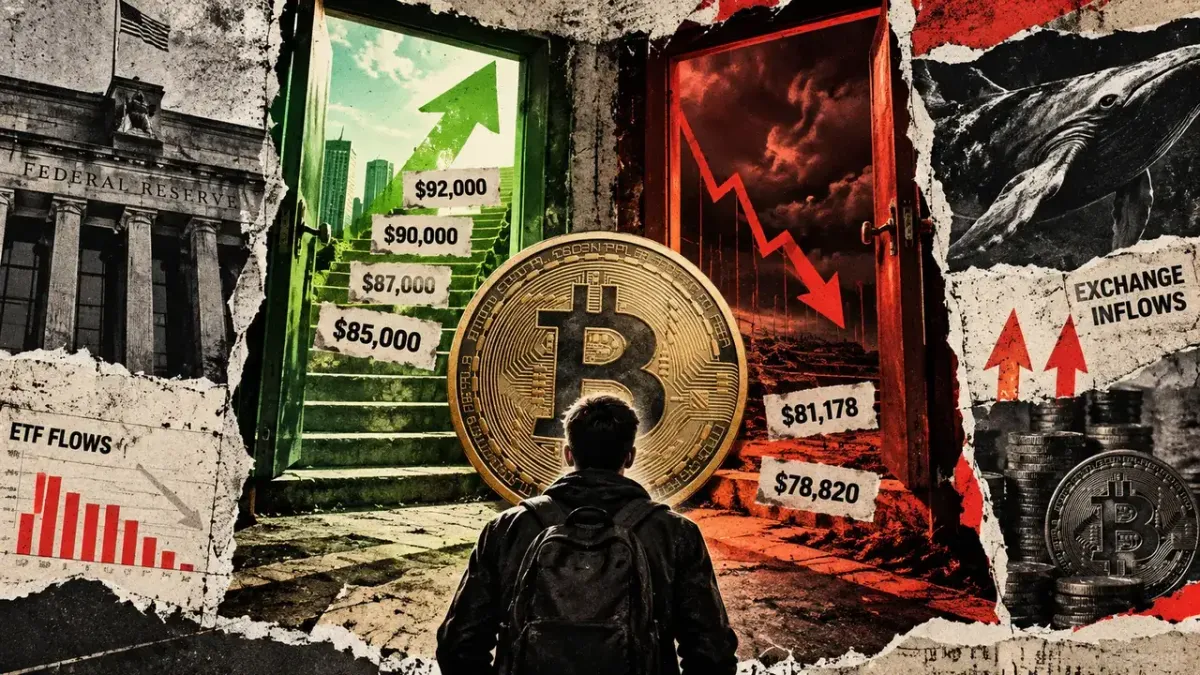
Bitcoin's weekly close above $81,000 signals potential rise to $90,000

Elon Musk's X integrates bitcoin trading options for U.S. users
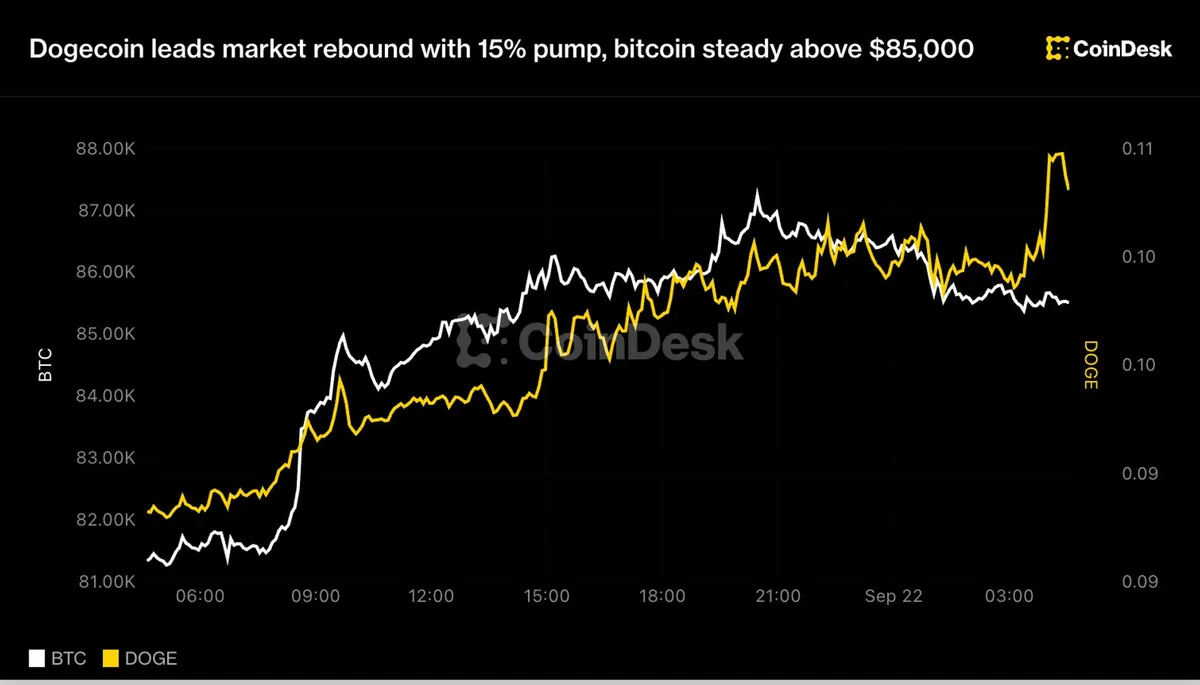
Dogecoin's 15% surge drives market recovery as bitcoin stabilizes above $85,000

Cardano adds tools for AI agent payments, joining Solana and XRP Ledger

Trueo prediction market moves from Base to Ethereum