Bitcoin retreats from one-month high as oil tops $85, inflation concerns resurface
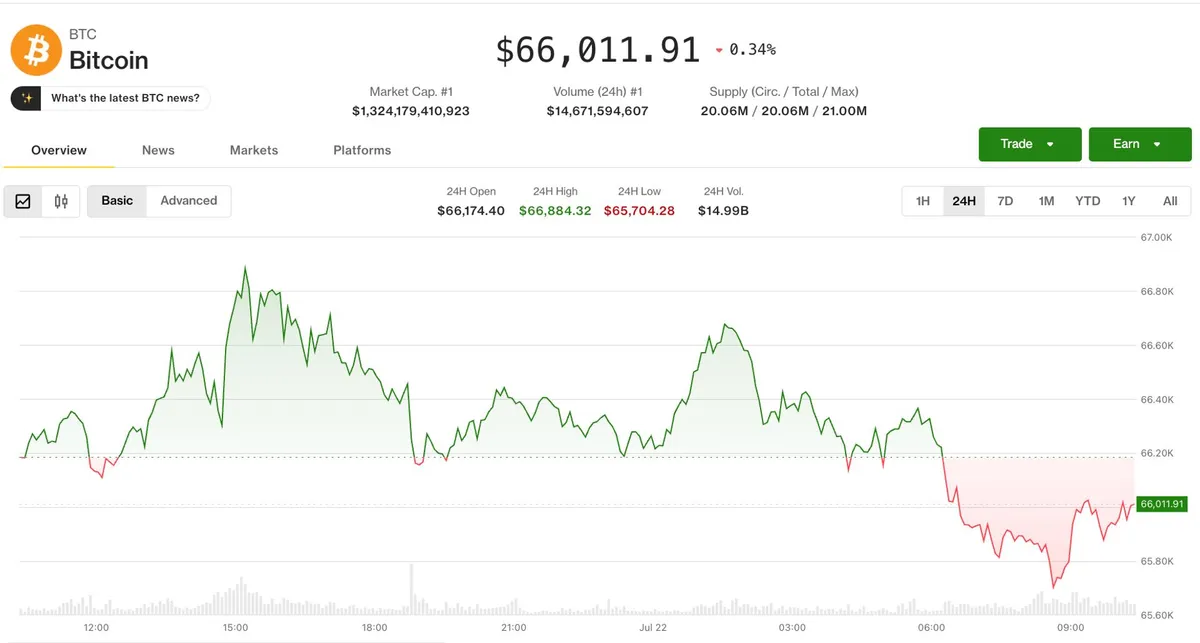
Bitcoin has seen a notable retreat from its recent one-month high as West Texas Intermediate (WTI) crude oil prices surged past $85, a level not reached since June. This development has reignited inflation concerns among investors, leading them to seek refuge in traditional safe-haven assets such as gold and silver, as well as Bitcoin itself. The cryptocurrency, which had been enjoying a brief rally, has now faced pressure as market dynamics shift in response to rising oil prices and the potential implications for inflation.
To provide some context, the increase in oil prices is largely attributed to geopolitical tensions and supply constraints that have plagued the energy market. These factors contribute to concerns that inflation could become more persistent, prompting investors to adjust their portfolios accordingly. Historically, rising oil prices have correlated with inflationary pressures, which can lead to increased costs across various sectors of the economy. As Bitcoin is often viewed as a hedge against inflation, its recent price movements reflect the broader sentiment in the market as investors navigate these changing economic conditions.
This retreat in Bitcoin’s price matters for the market, as it signals a cautionary approach from investors amid fears of increasing inflation. While Bitcoin has often been touted as "digital gold," its performance in the face of inflationary fears can influence its attractiveness compared to other assets. A downturn in Bitcoin could lead to a shift in sentiment, potentially affecting altcoins and other cryptocurrencies as well. As investors reassess their strategies, the dynamics of the crypto market may experience a ripple effect from Bitcoin’s fluctuations.
Industry experts are weighing in on the recent developments, with many expressing concern about the potential for sustained inflation to impact the cryptocurrency market. Some analysts argue that Bitcoin's utility as an inflation hedge could strengthen its position over time, while others caution that volatility in the face of macroeconomic indicators may lead to further price corrections. The general consensus is that while Bitcoin may still be viewed positively in the long term, immediate reactions to external economic pressures could lead to increased volatility.
Looking ahead, market participants will be closely monitoring oil prices, inflation data, and broader economic signals to gauge their impact on Bitcoin and the cryptocurrency market at large. As these factors continue to evolve, the interplay between traditional safe-haven assets and cryptocurrencies like Bitcoin will be critical to watch. Investors are likely to remain vigilant, adjusting their positions based on the unfolding economic landscape and its implications for both inflation and asset performance.

CoinMagnetic Team
Crypto investors since 2017. We trade with our own money and test every exchange ourselves.
Updated: July 2026
From our insights:
Related news

Bitcoin holds above $83,000 as traders monitor key moving average support

Strive raises $630 million through SATS IPO without detailing bitcoin plans

Zcash climbs to $1,215.85 as total crypto market capitalization recovers

Corporate bitcoin oversight failures prompt urgent calls for custody transparency

Chuck Todd hosts NEXTPredict event two weeks before the midterms