Bitcoin researchers propose Shielded Bitcoin for private transactions without soft forks
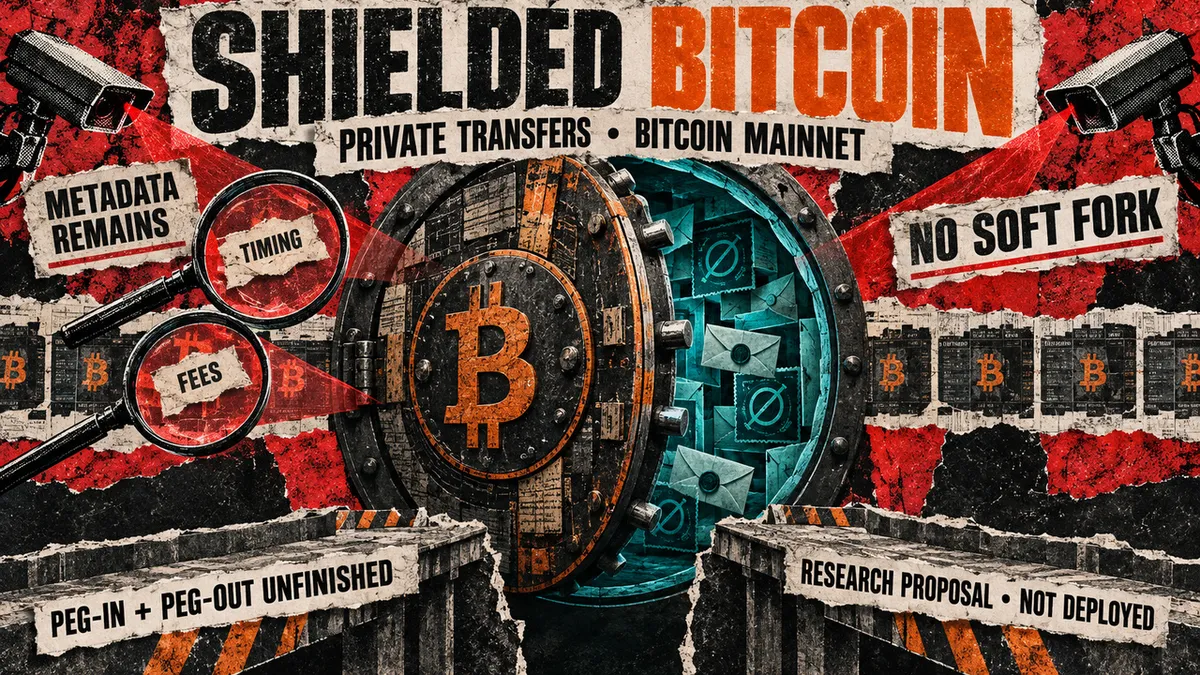
Bitcoin researchers are making strides toward enhancing privacy on the network with the introduction of a new metaprotocol known as Shielded Bitcoin. According to a paper released on September 24 by researchers Clara Shikhelman, Mikhail Komarov, and Aleksei Moskvin from [[alloc] init], this system aims to enable private transfers on the Bitcoin network without necessitating a soft fork or alterations to its existing consensus rules. The proposed framework seeks to conceal crucial transaction details, including amounts, sender and recipient identities, as well as the connections between various transfers.
The push for improved privacy tools in the Bitcoin ecosystem is not new, but the Shielded Bitcoin proposal represents a significant leap forward. Traditional privacy coins, such as Monero and Zcash, have long been viewed as alternatives to Bitcoin due to their robust privacy features. However, the Bitcoin community has been historically cautious about integrating privacy-enhancing technologies, primarily due to concerns over regulatory scrutiny and the potential for misuse. This latest proposal seeks to bridge the gap without compromising the core principles of the Bitcoin network.
The implications of this development are noteworthy for the broader cryptocurrency market. If implemented successfully, Shielded Bitcoin could elevate Bitcoin's competitive edge against privacy-focused coins, attracting users who prioritize confidentiality in their transactions. Enhanced privacy features could also lead to increased adoption among institutional investors and users who have previously been hesitant to engage with Bitcoin due to its public ledger nature.
Industry reactions to the Shielded Bitcoin proposal have been mixed, reflecting the ongoing debate surrounding privacy in cryptocurrency. Some experts have welcomed the initiative, viewing it as a necessary evolution for Bitcoin to remain relevant in an increasingly privacy-conscious market. Conversely, others remain skeptical, emphasizing that the introduction of such features could invite regulatory challenges and complicate compliance efforts. The conversation among developers, investors, and regulators will undoubtedly shape the future of this proposal.
Looking ahead, the next steps for the Shielded Bitcoin initiative will involve further research, potential testing, and discussions within the Bitcoin community. As the developers refine their approach and gather feedback, the outcome could significantly influence Bitcoin's future trajectory, particularly in terms of privacy and user adoption. The balance between innovation and regulatory compliance will remain a focal point as the community navigates these uncharted waters.

CoinMagnetic Team
Crypto investors since 2017. We trade with our own money and test every exchange ourselves.
Updated: September 2026
From our insights:
Related news
ZetaChain votes to shut down Layer 1 network and move ZETA to Solana

Solana reduces block times by 17% with latest upgrade, boosting transaction freshness

Optimism secures upgrade for Superchain to enable interoperability

Solana boosts transaction size by 3x amid surge in network activity
B.AI achieves record 1.51 trillion tokens daily throughput for AI infrastructure