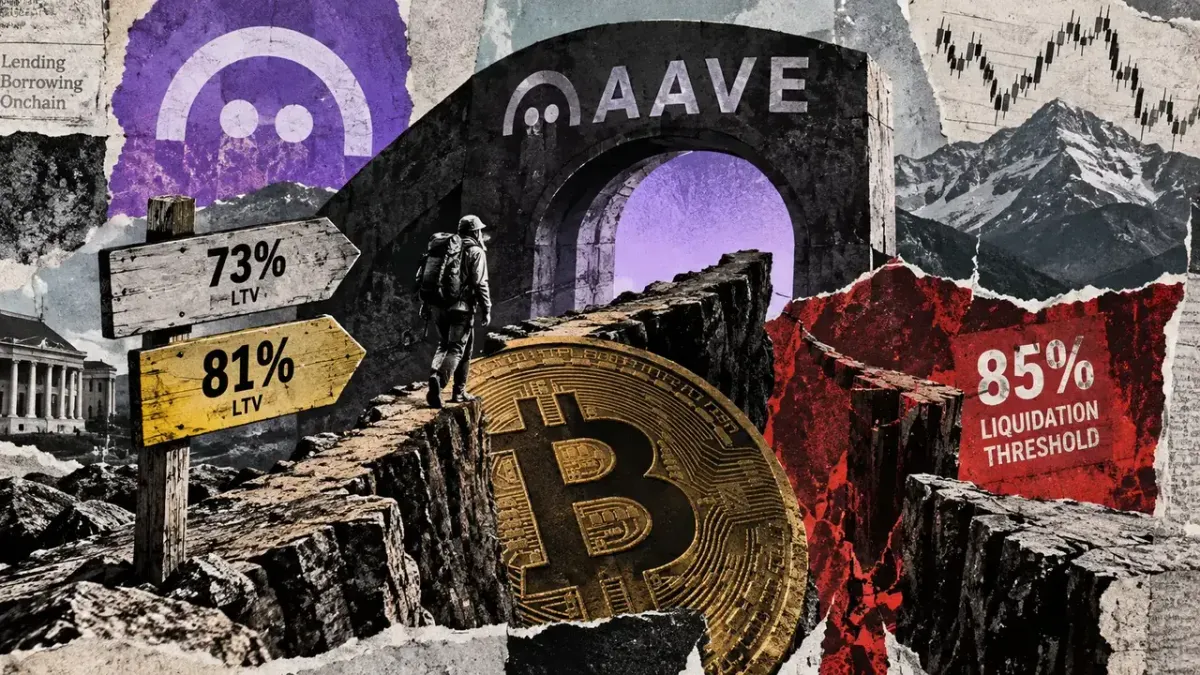
Bitcoin rally cools as April jobs fails to break macro ceiling with Iran tensions and ETF outflows in play

Bitcoin's recent rally has faced headwinds as it holds steady near $80,200, following the release of the April nonfarm payrolls report, which exceeded market expectations. While the jobs data initially seemed to be a catalyst for positive momentum, other factors have tempered enthusiasm. Heightened geopolitical tensions in Iran and significant outflows from exchange-traded funds (ETFs) tied to Bitcoin have contributed to a more cautious market response. As investors digest these developments, the overall sentiment reflects a mix of optimism and caution.
To understand the current scenario, it's essential to consider the broader economic landscape. The April jobs report indicated robust job growth, which typically signals a strong economy and can positively influence asset prices, including cryptocurrencies. However, the ongoing tensions in Iran, coupled with fears of potential geopolitical instability, have created uncertainty. Additionally, the recent trend of ETF outflows suggests that institutional investors might be reallocating their assets, potentially indicating a lack of confidence in Bitcoin's short-term prospects.
This situation carries significant implications for the cryptocurrency market. The interplay of strong labor market data and geopolitical tensions could lead to increased volatility, as traders and investors weigh the impact of these factors on Bitcoin's price trajectory. The cooling of the rally might also prompt a reevaluation of market strategies, as participants consider the balance between risk and reward in light of external pressures. If the market perceives that the ceiling has been reached for the time being, we may see a consolidation phase before any potential upward movement.
Industry experts have offered varied perspectives on the current state of Bitcoin and the factors influencing its price. Some analysts believe that despite the recent setbacks, the long-term fundamentals for Bitcoin remain strong, citing its limited supply and increasing adoption as reasons for continued bullish sentiment. Others, however, caution that geopolitical tensions and ETF outflows could signify deeper issues that may impact Bitcoin's price stability in the near term. This divergence in opinions underscores the complexity of the current market dynamics.
Looking ahead, market participants will be closely monitoring both the geopolitical landscape and any further developments related to ETF investments. Should tensions in Iran escalate or if ETF outflows continue, we could see increased volatility in Bitcoin's price. Conversely, if the economic indicators remain positive and institutional interest in Bitcoin rebounds, there may be opportunities for renewed growth. As always, we will keep a close eye on these factors, seeking to provide insights into how they shape the evolving narrative surrounding Bitcoin and the broader cryptocurrency market.

CoinMagnetic Team
Crypto investors since 2017. We trade with our own money and test every exchange ourselves.
Updated: May 2026
From our insights:
Related news

OpenAI cuts prices 50% on mid-tier models as Anthropic unveils Claude Opus 5.5

Bernstein revises prediction markets to $10 trillion by 2035, up from $1 trillion
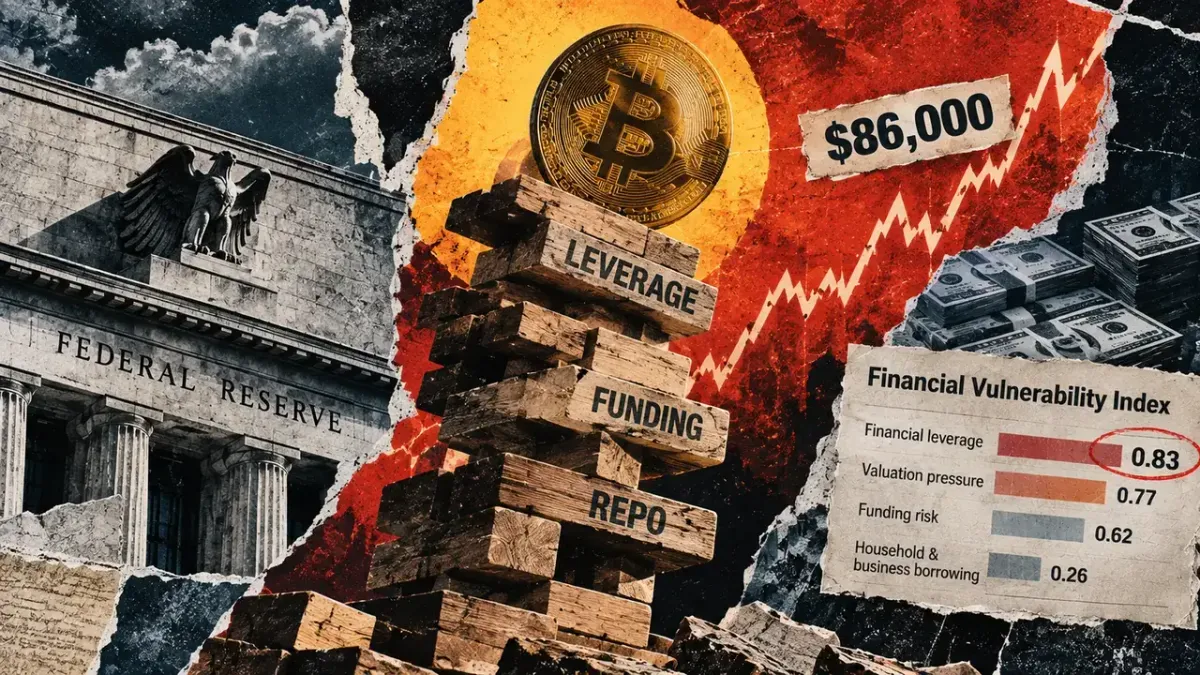
New Fed data reveals potential dangers in Bitcoin's rally

Anthropic’s New Claude Opus 5.5 Matches Fable at 60% the Price

Elon Musk's influence drives Dogecoin to highest price in months