Bitcoin price rejects at $83K as Trump calls Iran deal 'big assumption'

Bitcoin's recent price action has encountered significant resistance at the $83,000 mark, ultimately failing to break through this psychological barrier. The cryptocurrency's performance has been largely influenced by escalating tensions between the U.S. and Iran, which have introduced a wave of uncertainty in the financial markets. Amid this turmoil, former U.S. President Donald Trump made headlines by labeling the Iran nuclear deal a "big assumption," intensifying concerns over geopolitical stability. As traders reacted to these developments, Bitcoin's price faced increased selling pressure, preventing it from capitalizing on earlier gains.
To understand the current situation, it is important to consider the backdrop of U.S.-Iran relations. The Iran nuclear deal, originally established to curb Iran's nuclear ambitions, has been a point of contention since the U.S. withdrew from it in 2018. Trump's recent comments reflect ongoing skepticism regarding the viability of any diplomatic solutions, which can impact investor sentiment. Historically, periods of geopolitical unrest have led investors to seek safe-haven assets, including cryptocurrencies. However, the current climate has been marked by volatility, as traders weigh the effects of global tensions against the inherent risks of the crypto market.
The failure of Bitcoin to maintain its momentum at $83,000 highlights the delicate balance between market sentiment and external factors. As a leading cryptocurrency, Bitcoin often serves as a barometer for the broader crypto market. This rejection at a significant price level could signal a shift in investor confidence, potentially leading to increased caution among traders. If Bitcoin continues to struggle against resistance, it may influence the market dynamics for altcoins and other digital assets, which often follow Bitcoin's lead.
Industry experts have shared mixed opinions regarding the implications of these market movements. Some analysts suggest that the geopolitical tensions may act as a catalyst for Bitcoin's growth if investors turn to it as a hedge against traditional market instability. Others, however, caution that sustained volatility could deter new investors from entering the space, leading to a more prolonged consolidation period. The sentiment among market participants remains cautious, as they await further developments in both the geopolitical landscape and Bitcoin's price action.
Looking ahead, the market will be closely monitoring not only Bitcoin's performance but also any updates on U.S.-Iran relations. Should tensions continue to escalate, it could influence investor behavior and potentially lead to renewed interest in cryptocurrencies as a store of value. Conversely, if diplomatic efforts gain traction, it may alleviate some of the pressures currently weighing on the market. As events unfold, the crypto community will remain vigilant, ready to adapt to the changing landscape.

CoinMagnetic Team
Crypto investors since 2017. We trade with our own money and test every exchange ourselves.
Updated: May 2026
From our insights:
Related news

SoFi begins stablecoin settlement on Mastercard network for program expected to exceed $25 billion in annualized volume

A $3.2 million 'bitcoin butterfly' option trade bets on $95,000 by the end of October
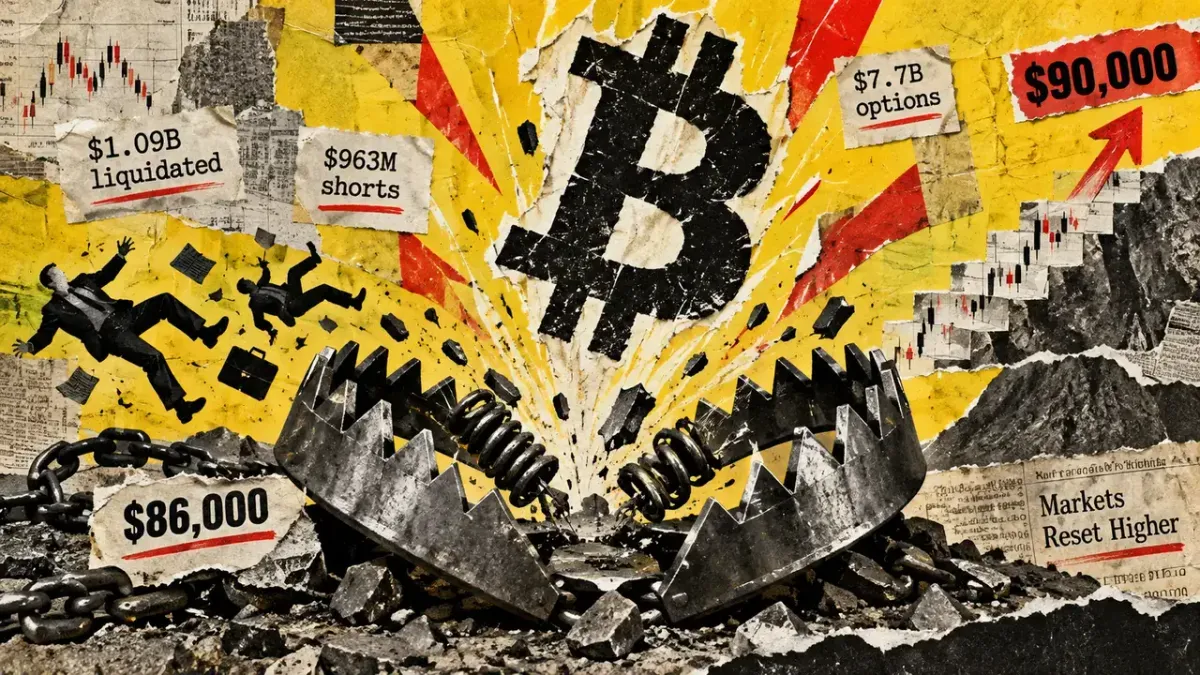
Bitcoin surges past $86,000 as $1 billion in shorts are liquidated, eyes on $90,000
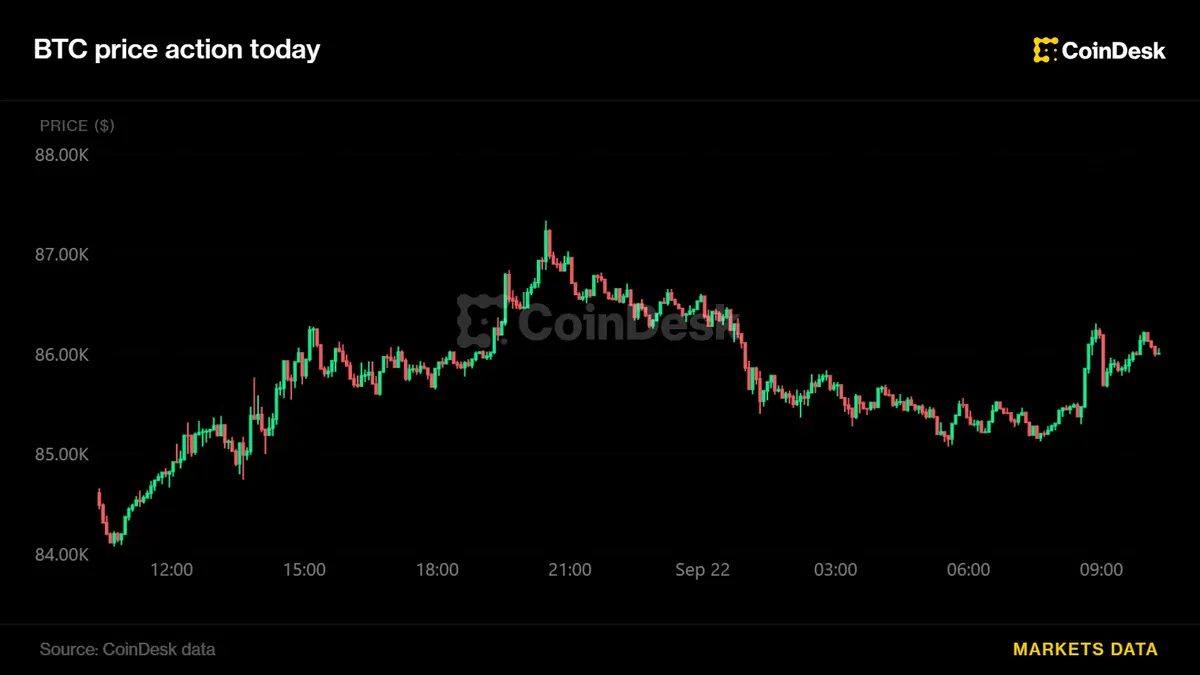
Bitcoin bounces back to $86,000 as oil prices decline and stocks rise

Prediction markets projected to reach $10 trillion by 2035, surpassing sports