Bitcoin price may dip toward $70K as Fed estimates hotter inflation print

Bitcoin's price trajectory is facing potential headwinds as recent analyses suggest a dip toward the $70,000 mark. This forecast aligns with the formation of a rising wedge pattern in BTC's price chart, which typically signals a corrective move. As inflation estimates from the Federal Reserve appear to be hotter than anticipated, the central bank's stance on interest rates is coming under scrutiny. With inflation cooling the hopes for any rate cuts in the near future, the market is bracing for possible volatility in Bitcoin's price.
To understand the current scenario, it's essential to consider the broader economic context. The Federal Reserve's monetary policy decisions are heavily influenced by inflation rates, which have remained a focal point in recent months. With inflation showing signs of persistence, any indications from the Fed that they will maintain or increase interest rates can impact investor sentiment across all asset classes, including cryptocurrencies. This environment creates a challenging backdrop for Bitcoin, which often sees significant price fluctuations in response to macroeconomic signals.
The potential dip toward $70,000 is significant for the market as it may trigger a wave of selling pressure if traders perceive it as a critical support level. The psychological impact of such price points can dictate trading behavior, leading to increased volatility. As Bitcoin has often been regarded as a hedge against inflation, any shift in the Fed's approach could lead to a reevaluation of its value proposition in the eyes of investors. A dip below $70,000 could further complicate this, potentially leading to a reassessment of Bitcoin's position in the market.
Industry reactions to these developments have been mixed. Some experts express concern about the implications of sustained inflation on Bitcoin's long-term appeal, noting that higher interest rates could lead to a shift in capital away from riskier assets toward more stable investments. Conversely, others argue that the underlying fundamentals of Bitcoin–such as its scarcity and decentralized nature–will continue to attract investors despite short-term fluctuations. The sentiment among traders and analysts is divided, with many keeping a close eye on the Fed's next moves.
Looking ahead, the key question will be how the market responds to the evolving economic landscape. If inflation continues to exceed expectations, the Fed may have no choice but to adapt its monetary policy, which could have cascading effects on Bitcoin's price. As we move into the next quarter, all eyes will be on both inflation data and the Fed's meetings, as these factors will heavily influence not just Bitcoin but the entire cryptocurrency market. The interplay between macroeconomic indicators and Bitcoin's performance will remain a critical area to watch for traders and investors alike.

CoinMagnetic Team
Crypto investors since 2017. We trade with our own money and test every exchange ourselves.
Updated: May 2026
From our insights:
Related news

GameStop possibly forfeits $31 million in Bitcoin gains from options trade

Researchers trace 1.1 million Bitcoin to early miner but Satoshi's identity remains unclear

Bitcoin, ether perpetual volumes on Kalshi are dominated by an unusual, repetitive trade, data shows
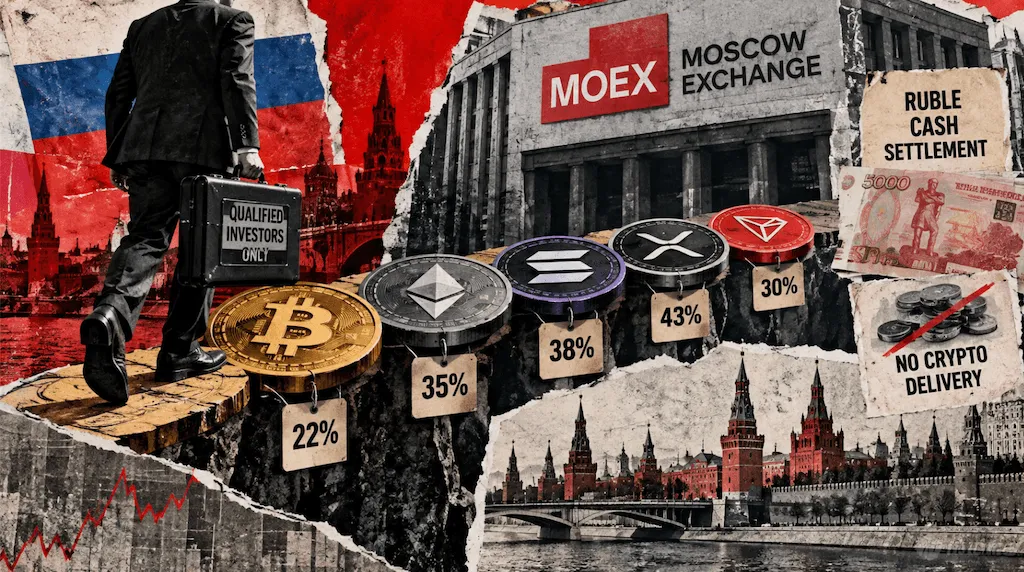
Moscow Exchange introduces 5 crypto perpetual futures amid 600 billion ruble demand

SoFi begins stablecoin settlement on Mastercard network for program expected to exceed $25 billion in annualized volume