Bitcoin price just lost $80k because US PPI hit 6% matching 2022 levels, stoking inflation fears

Bitcoin's price has recently taken a significant hit, falling below the $80,000 mark as the latest US Producer Price Index (PPI) data revealed a 6% increase–matching levels not seen since 2022. This unexpected inflation print has sent shockwaves through both the cryptocurrency and equities markets, with Bitcoin slipping from the low $81,000 range to a session low of around $79,557. The breach of the $80,000 threshold transforms it from a psychological level into a critical point of resistance for traders, indicating a potential shift in market sentiment.
To put this in context, the PPI is a vital indicator that measures the average change over time in the selling prices received by domestic producers for their output. A rise in the PPI often suggests that inflationary pressures are building up, which can lead central banks to tighten monetary policies. The current 6% reading has raised alarms among investors, echoing concerns from earlier in 2022 when inflation was at its peak. As inflation continues to be a hot topic, market participants are closely monitoring economic indicators for signs of future interest rate hikes.
The implications for the market are manifold. A sustained increase in inflation can lead to a tightening of monetary policy by the Federal Reserve, which historically has had a negative impact on both risky assets and speculative investments like cryptocurrencies. As Bitcoin and other digital assets react to macroeconomic pressures, this latest inflation data may signal the beginning of a more volatile phase for the crypto market, where traditional correlations with equities could become more pronounced.
Industry experts have already begun weighing in on the situation. Many analysts suggest that the current market dynamics could see Bitcoin facing increased selling pressure in the short term as traders reassess their positions. Some believe that if inflation fears persist, we could witness a trend of capital flowing out of crypto markets and into more traditional safe-haven assets. However, there are also voices asserting that Bitcoin's long-term fundamentals remain intact, and this drop could present a buying opportunity for savvy investors.
Looking ahead, it will be crucial for market participants to keep a close eye on upcoming economic reports and Federal Reserve announcements. The interplay between inflation data, interest rates, and market sentiment will likely dictate Bitcoin's trajectory in the near term. Traders and investors alike will be watching not only for any signs of recovery in Bitcoin's price but also for a potential return to stability as they navigate this uncertain economic landscape.

CoinMagnetic Team
Crypto investors since 2017. We trade with our own money and test every exchange ourselves.
Updated: May 2026
From our insights:
Related news

SoFi begins stablecoin settlement on Mastercard network for program expected to exceed $25 billion in annualized volume

A $3.2 million 'bitcoin butterfly' option trade bets on $95,000 by the end of October
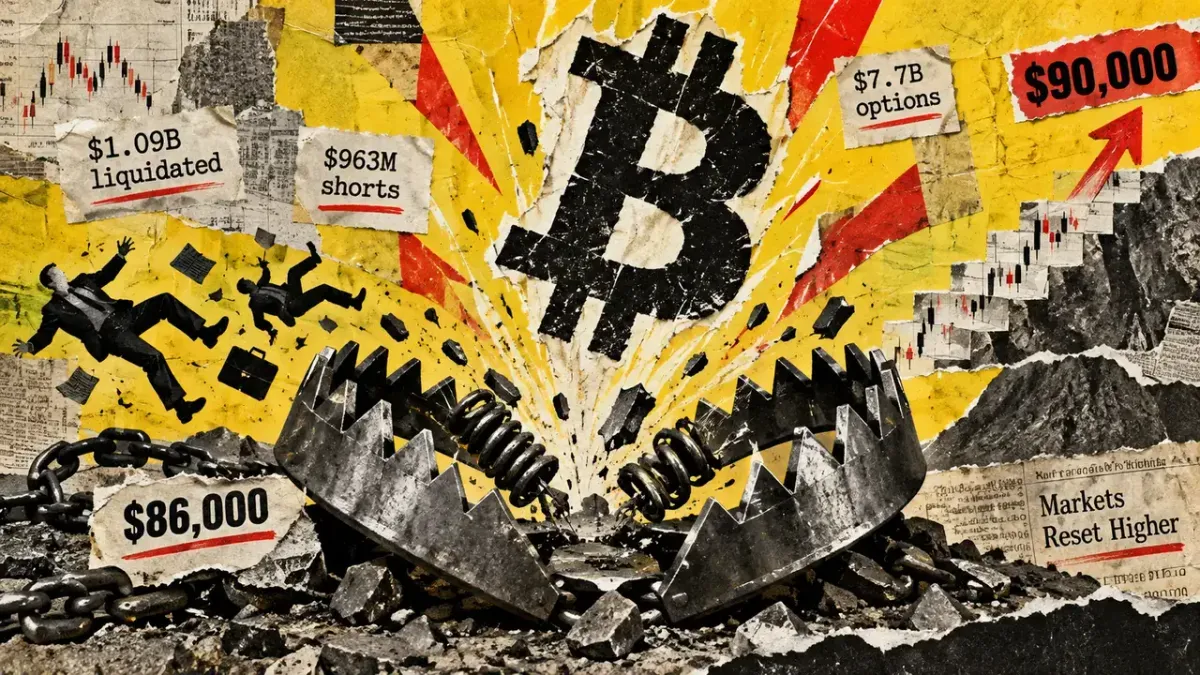
Bitcoin surges past $86,000 as $1 billion in shorts are liquidated, eyes on $90,000
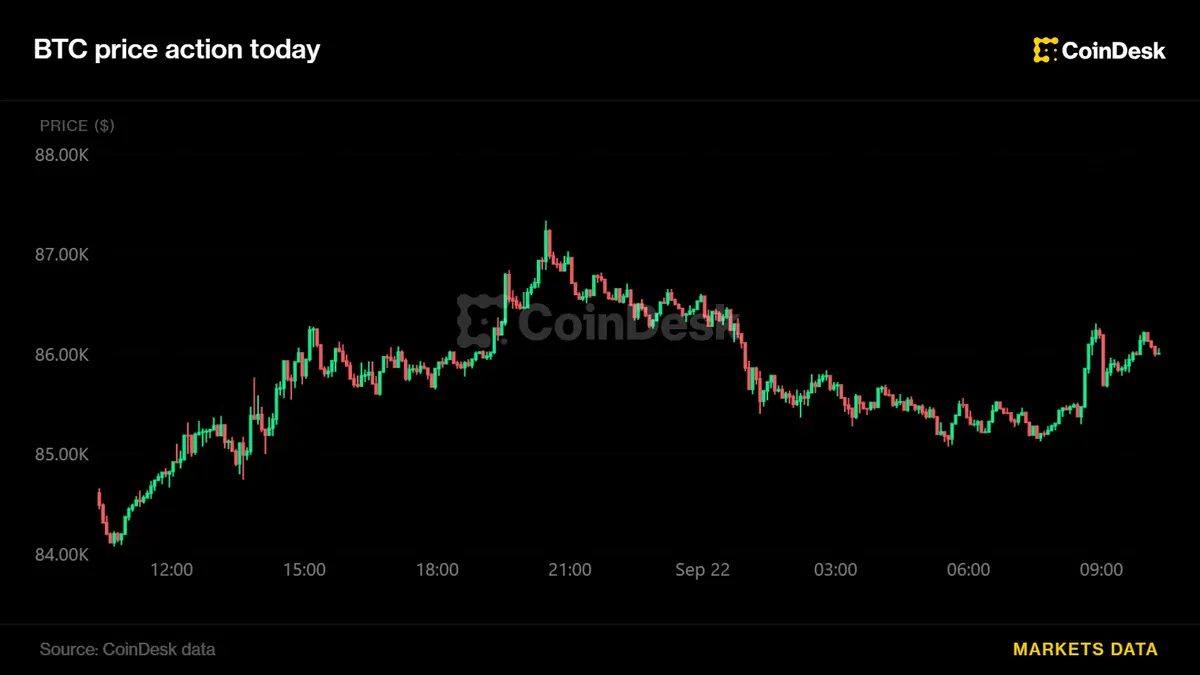
Bitcoin bounces back to $86,000 as oil prices decline and stocks rise

Prediction markets projected to reach $10 trillion by 2035, surpassing sports