Bitcoin perps just got a US green light, but one catch could decide everything
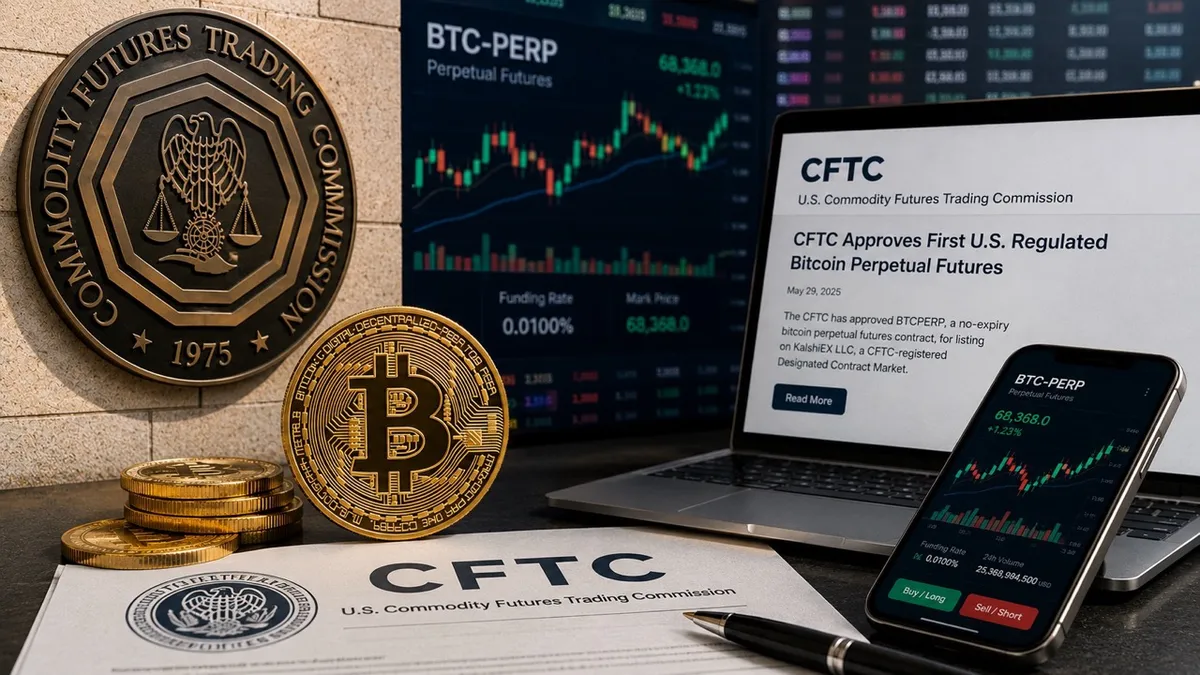
The Commodity Futures Trading Commission (CFTC) has recently taken a significant step in the cryptocurrency market by approving Bitcoin perpetual futures contracts, marking a pivotal moment for both investors and regulators. KalshiEX LLC has been granted permission to list its BTCPERP contract, which represents a futures contract for Bitcoin. This approval signifies a shift from discussions surrounding offshore liquidity toward a more regulated framework within the United States. Additionally, Coinbase Financial Markets has received staff-level relief from the CFTC, allowing them access to specific products on the Deribit exchange. This development indicates a growing acceptance of Bitcoin and its derivatives within established financial markets.
To understand the implications of this move, it is essential to consider the landscape of cryptocurrency regulation that has been evolving over the past few years. The CFTC has been cautious in its approach, often emphasizing the need for consumer protection and market integrity. The approval of Bitcoin perpetual futures contracts arrives amidst increasing interest from institutional investors and traders who are looking for ways to hedge their exposure to Bitcoin. The move also reflects a broader trend in which traditional financial institutions are beginning to embrace cryptocurrency as an asset class worthy of regulation, rather than outright prohibition.
This approval is particularly significant for the market as it opens up new avenues for trading and investment. With regulated perpetual futures, traders can now potentially hedge their Bitcoin positions more effectively, which could lead to increased market stability. The presence of a trusted regulatory body overseeing these products may also attract more traditional investors who have been hesitant to enter the cryptocurrency space due to concerns over volatility and lack of regulation. Furthermore, the introduction of such products could stimulate liquidity in the market, making it more robust and appealing for a broader range of investors.
Reactions from industry experts have been mixed but generally optimistic. Many view this approval as a positive sign that regulators are becoming more comfortable with cryptocurrency products. Some analysts argue that having regulated perpetual futures could help mitigate extreme price fluctuations in the market. However, there are also concerns regarding the long-term implications of regulation on innovation within the crypto space. Some industry insiders warn that excessive regulation could stifle the very entrepreneurial spirit that has driven the rapid growth of cryptocurrencies and related technologies.
Looking ahead, the future of Bitcoin perpetual futures appears bright, but it is contingent upon how these products are received by the market and the broader regulatory environment. Market participants will likely be watching closely to see how KalshiEX and Coinbase navigate the complexities of compliance and consumer protection. Additionally, the ongoing dialogue between regulators and industry stakeholders will be crucial in determining the long-term viability of these futures contracts. As the landscape continues to evolve, the success or challenges faced by these newly approved products could set important precedents for the future of cryptocurrency regulation in the United States.

CoinMagnetic Team
Crypto investors since 2017. We trade with our own money and test every exchange ourselves.
Updated: May 2026
From our insights:
Related news

Bitcoin's weekly close above $81,000 signals potential rise to $90,000

Elon Musk's X integrates bitcoin trading options for U.S. users
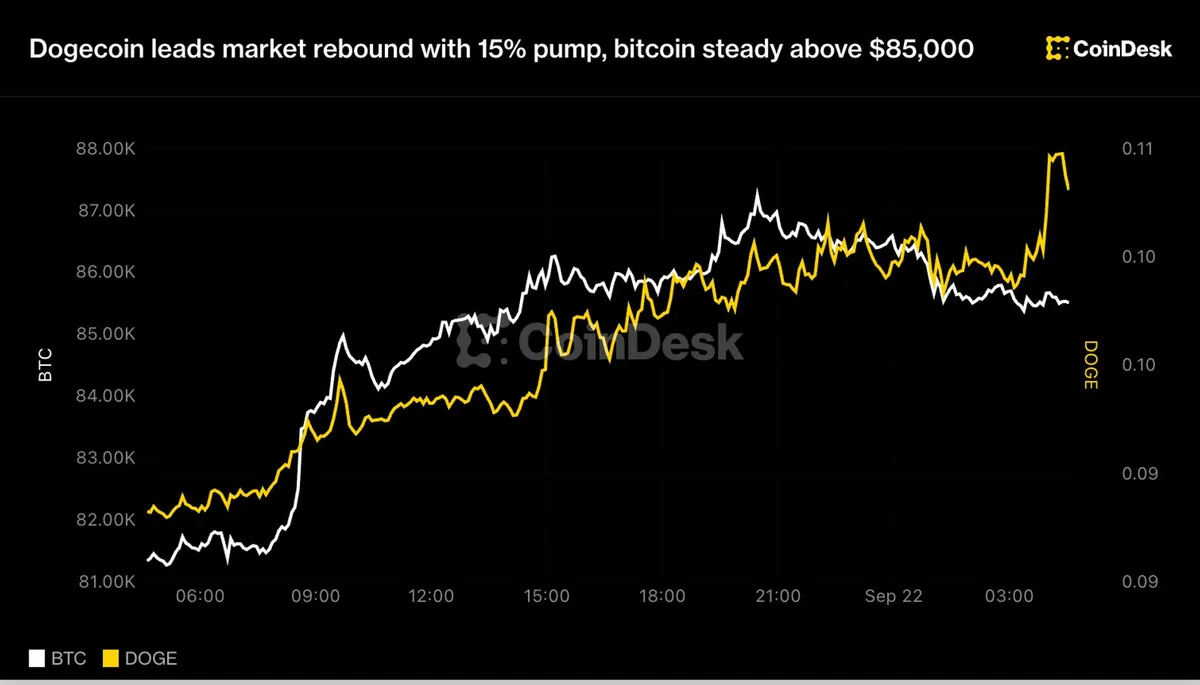
Dogecoin's 15% surge drives market recovery as bitcoin stabilizes above $85,000

Cardano adds tools for AI agent payments, joining Solana and XRP Ledger

Trueo prediction market moves from Base to Ethereum