Bitcoin nearly loses $59K as DXY surges: Are traders bracing for more pain?

Bitcoin has experienced a notable downturn, inching dangerously close to the $59,000 mark as the U.S. Dollar Index (DXY) continues to surge. Recent market dynamics have seen a wave of spot Bitcoin exchange-traded fund (ETF) outflows, compounded by a marked slowdown in accumulation from institutional players like Strategy. This combination of factors has put significant pressure on Bitcoin's price, leading to increased speculation about the potential for further declines. As traders monitor these developments, many are left wondering whether this is a temporary setback or the beginning of a longer-term trend.
To understand the current situation, it’s essential to consider the broader economic context. The DXY, which measures the strength of the U.S. dollar against a basket of other currencies, has been on an upward trajectory, driven by a combination of economic indicators and Federal Reserve policies. A stronger dollar often exerts downward pressure on Bitcoin and other cryptocurrencies, as they are typically seen as alternative assets. Furthermore, the recent ETF outflows suggest that institutional interest may be waning, which is a crucial component of Bitcoin's price stability and growth.
This situation matters for the market as it demonstrates the fragile balance between crypto assets and traditional financial indicators. Bitcoin's decline toward new lows could signal a shift in investor sentiment, especially if the DXY continues to rise. The market is closely watching how these dynamics play out, as a sustained period of low prices could lead to panic selling among retail investors. Additionally, if institutional players further reduce their exposure to Bitcoin, it could create a feedback loop that exacerbates price volatility.
Industry experts have weighed in on the current predicament, with many expressing caution regarding Bitcoin's near-term prospects. Some analysts believe that the recent price movements highlight a broader trend of uncertainty within the crypto market, as macroeconomic factors increasingly influence trading behavior. Others suggest that this might be a temporary phase, emphasizing that Bitcoin's long-term fundamentals remain strong despite short-term fluctuations. The mood among traders is mixed, with some seeing potential buying opportunities while others brace for more pain ahead.
Looking forward, the market will be keenly aware of upcoming economic reports and Federal Reserve announcements that could impact the DXY and, by extension, Bitcoin's price. Traders will also keep a close eye on accumulation patterns from institutions and any signs of renewed interest in Bitcoin-related products, such as ETFs. As the dust settles from this latest downturn, the future trajectory of Bitcoin remains uncertain, but it is clear that the interplay between traditional finance and crypto markets will continue to be a critical area of focus.

CoinMagnetic Team
Crypto investors since 2017. We trade with our own money and test every exchange ourselves.
Updated: June 2026
From our insights:
Related news
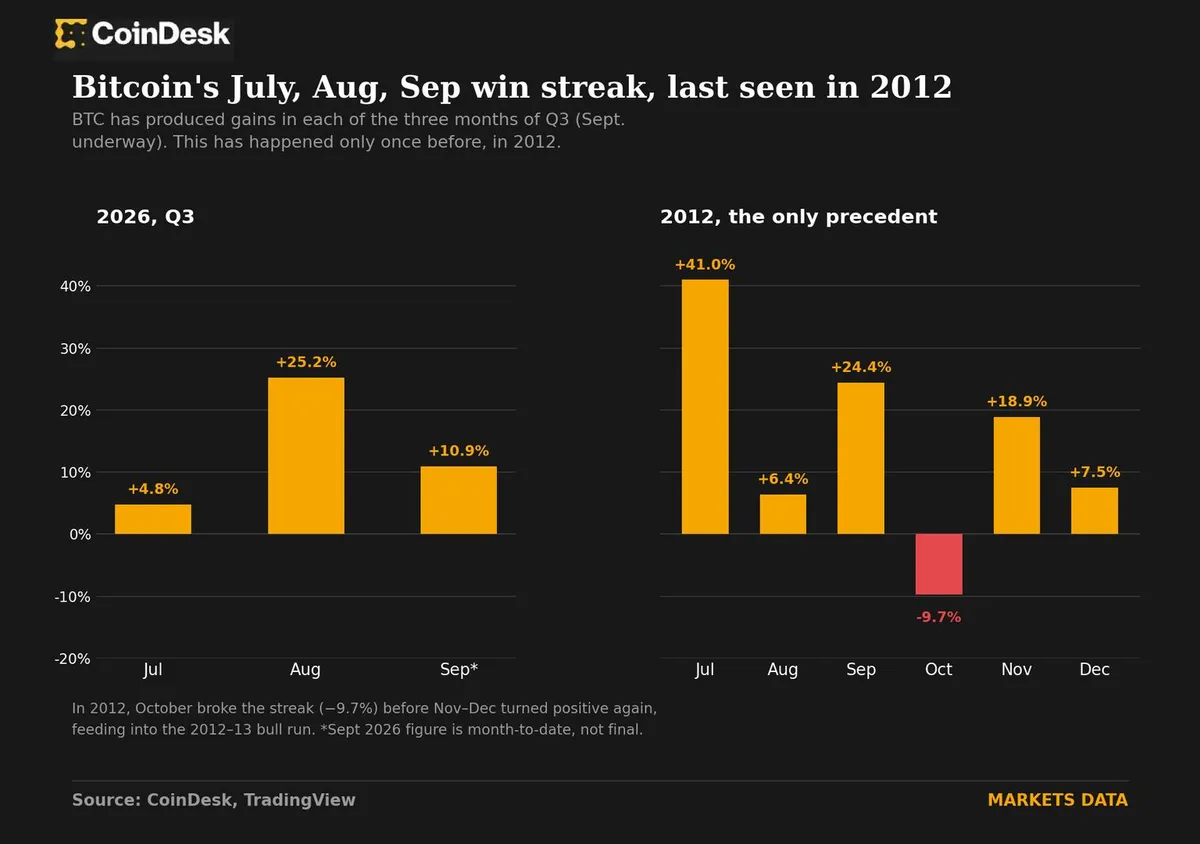
Bitcoin's on a streak it hasn't hit since 2012

CFTC warns against risky prediction market contracts following Trump's speech trades
CFTC issues advisory on risks of cheating in prediction markets

CFTC issues warning on manipulation risks in prediction markets tied to mentions

Ancient wallets move $161 million in bitcoin, including 600 BTC today