Bitcoin miners using AI as a bear market escape plan just got a new rival in Elon Musk
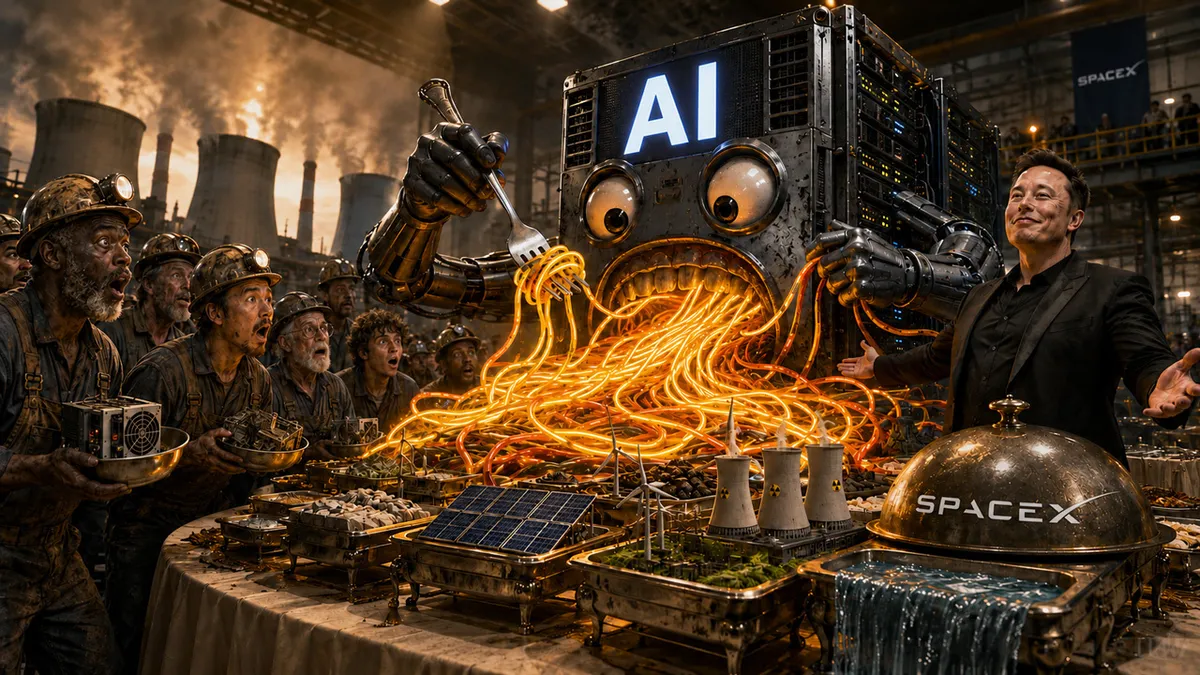
Elon Musk’s SpaceX has recently launched a significant challenge for Bitcoin miners by transforming one of the world’s largest artificial intelligence clusters into a commercial computing product. This move comes as Bitcoin miners explore new avenues for revenue generation amid a prolonged bear market. The Colossus 1 facility, located in Memphis, Tennessee, is now set to power AI applications, with Anthropic announcing a deal to utilize its full computing capabilities. This development not only intensifies competition among miners but also signals a pivotal shift in the landscape of computational resources, where AI infrastructure is becoming increasingly valuable.
The backdrop for this shift is essential to understand. Over the past few years, Bitcoin miners have been grappling with a series of challenges, including regulatory scrutiny, fluctuating energy costs, and the inherent volatility of cryptocurrency prices. As many miners face declining profitability, several have begun pivoting towards AI as a potential lifeline. The integration of AI capabilities into mining operations has been touted as a way to optimize energy consumption and enhance operational efficiency. However, with SpaceX now entering the fray, miners must contend with a powerful new player that can leverage its technological prowess to dominate the AI infrastructure market.
This development is significant for the cryptocurrency market, particularly for Bitcoin miners who have been trying to diversify their operations. As AI continues to gain traction and relevance across various sectors, the emergence of SpaceX’s Colossus 1 could reshape the competitive dynamics within the industry. Miners that have invested heavily in AI technology may find themselves at a disadvantage against a well-resourced entity like SpaceX, which has the potential to deliver cutting-edge solutions at scale. This could lead to a further consolidation of power among a few large players in both the mining and AI spaces, potentially sidelining smaller operations.
Industry reactions have been varied, with some experts expressing concern over the implications of this new competition. Analysts have highlighted that while the entry of a major player like SpaceX could drive innovation, it may also heighten the challenges for existing miners who are already struggling to maintain profitability. There are also voices in the industry who view this as an opportunity for collaboration, suggesting that Bitcoin miners could leverage AI technology to enhance their operations rather than compete directly with AI-focused companies. The future remains uncertain, but the general sentiment suggests that miners will need to adapt quickly to the evolving landscape.
Looking ahead, the next steps for Bitcoin miners will likely involve reevaluating their strategies in light of this competition. Many may need to forge partnerships with AI firms or invest in their own AI capabilities to remain relevant. Additionally, the interplay between AI and cryptocurrency could create new business models and opportunities for innovation in the sector. As the landscape continues to evolve, it will be fascinating to observe how miners respond to the challenge posed by SpaceX and whether they can effectively integrate AI into their operations to secure their future in this changing market.

CoinMagnetic Team
Crypto investors since 2017. We trade with our own money and test every exchange ourselves.
Updated: May 2026
From our insights:
Related news

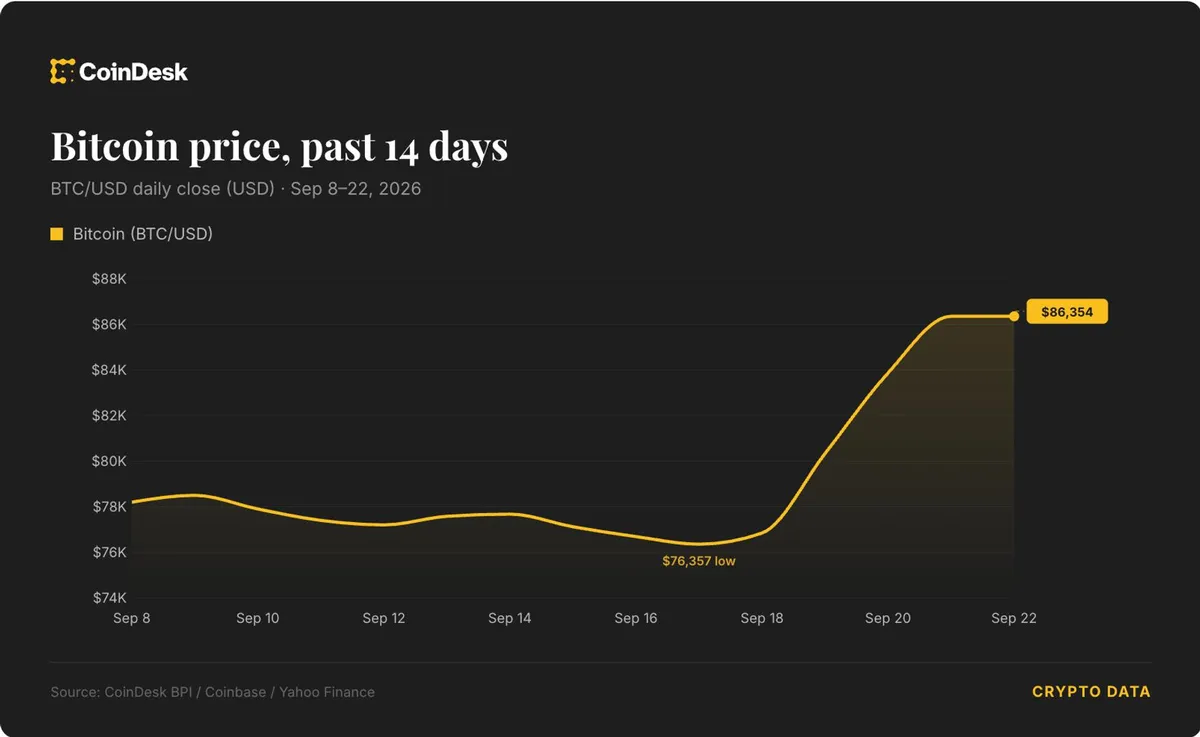
Bitcoin surges past $86,000 as $1 billion in shorts are liquidated, eyes on $90,000
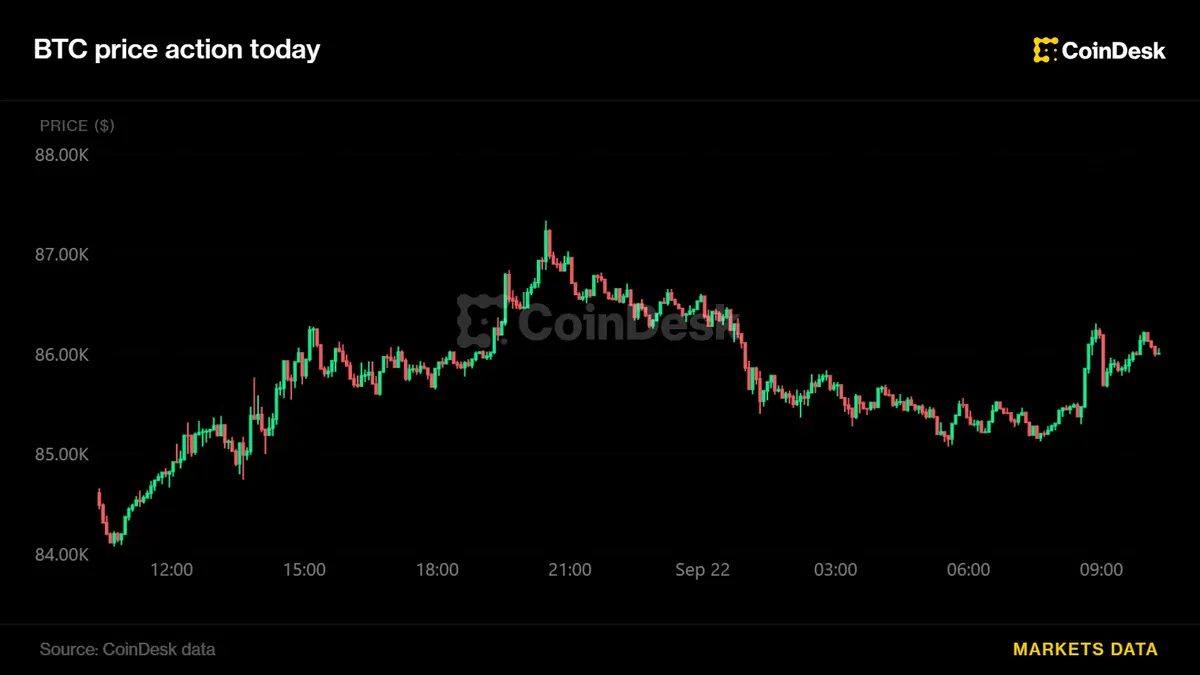
Bitcoin bounces back to $86,000 as oil prices decline and stocks rise

Prediction markets projected to reach $10 trillion by 2035, surpassing sports
Iran hints at reopening Strait of Hormuz, WTI oil drops to $89
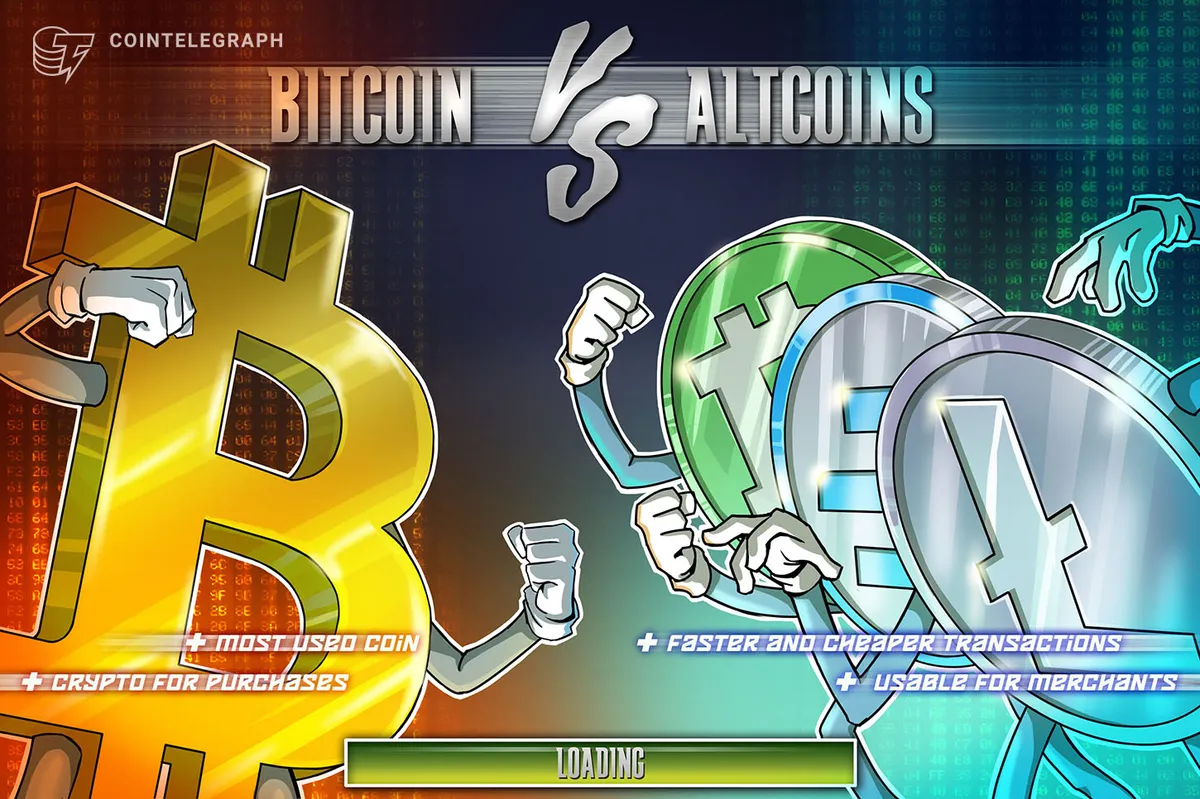
New altseason signal emerges as Bitcoin market cap stays under 60%