Bitcoin miners saved Texas power grid from collapse, but their lucrative pivot to AI is stripping away the emergency brake
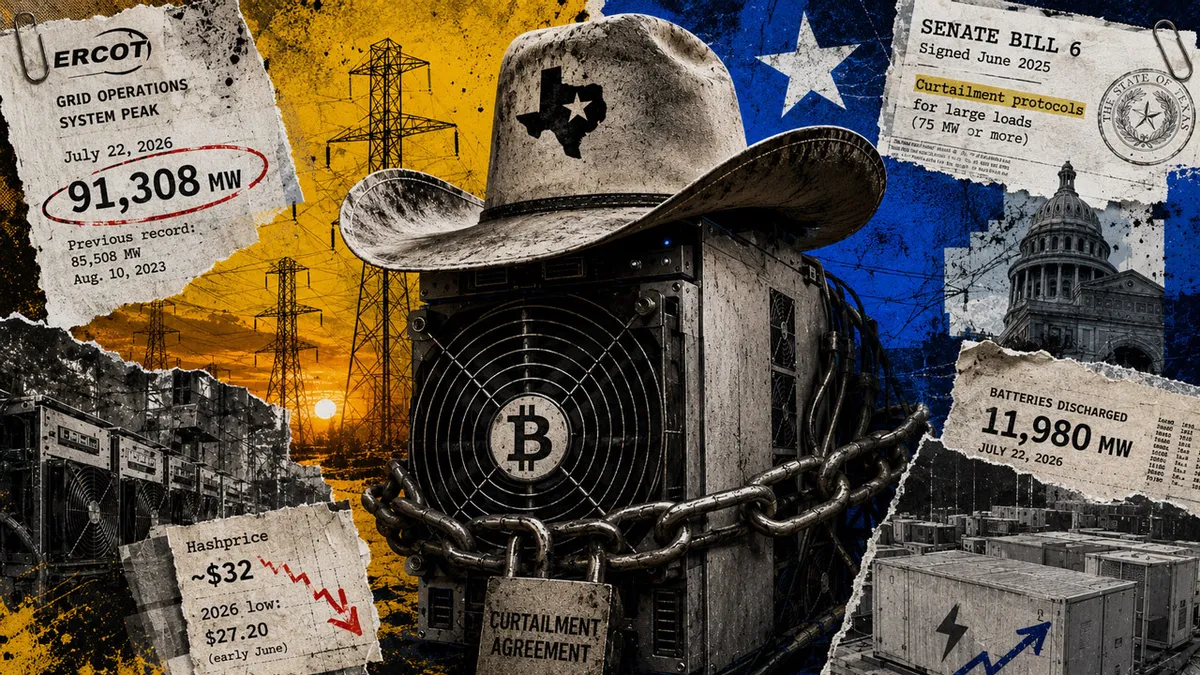
Last week, Texas witnessed unprecedented electricity demand, breaking its all-time record twice in just two days. On July 22, the Electric Reliability Council of Texas (ERCOT) reported a peak demand of 91,308 megawatts, following a previous high of 87,403 megawatts just a day earlier. This surge in power consumption comes amidst a sweltering summer, straining the state's electrical grid. Notably, during these peak times, there was no call for energy conservation–a clear indicator of the grid's vulnerable state. Interestingly, Bitcoin miners, who have historically played a pivotal role in stabilizing the grid by ramping up or down their operations based on demand, are now pivoting towards more lucrative ventures such as artificial intelligence, raising concerns about their availability as a buffer during critical times.
To understand the significance of this situation, it is essential to consider the evolution of Bitcoin mining in Texas. Over the past few years, miners have been incentivized to establish operations in the state due to its cheap energy prices and favorable regulatory environment. During times of high electricity demand, these miners have been able to scale back their power consumption, effectively serving as a flexible resource that can help balance supply and demand. This relationship has allowed them to coexist with the grid, providing much-needed relief during peak periods. However, the recent shift towards AI-driven initiatives among these miners could compromise their ability to respond to future energy crises.
The implications of this shift are significant for the Texas energy market. As Bitcoin miners increasingly focus on AI projects, the emergency brake they once provided may be weakened, potentially exposing the grid to greater risks during peak demand periods. With the summer heat likely to persist and future demand projections increasing, the absence of responsive Bitcoin miners could lead to a more precarious energy landscape. This situation underscores the delicate balance between innovation in the cryptocurrency space and the real-world implications for energy infrastructure.
Industry experts are already weighing in on the potential consequences of this trend. Some analysts caution that the shift away from Bitcoin mining could create vulnerabilities for the Texas power grid, especially as demand continues to rise. Others argue that the growing interest in AI could stimulate economic growth and technological advancements in the state, potentially leading to new solutions for energy management. As the situation develops, stakeholders are closely monitoring how the departure of miners from their traditional role might affect grid stability and overall energy reliability.
Looking ahead, the future of Bitcoin mining in Texas and its relationship with the power grid remains uncertain. As miners explore more profitable avenues, it will be crucial for ERCOT and state regulators to assess the potential impacts on grid reliability. The ongoing demand for electricity, coupled with rising temperatures, necessitates a proactive approach to ensure that the balance between energy consumption and supply is maintained. Whether alternative solutions can emerge to fill the void left by miners will be a focal point of discussion in the coming months, as all eyes remain on Texas to see how this evolving landscape unfolds.

CoinMagnetic Team
Crypto investors since 2017. We trade with our own money and test every exchange ourselves.
Updated: August 2026
From our insights:
Related news

Bitcoin mining supplies 90% of HIVE’s $1 million daily revenue despite ongoing AI expansion

Bitcoin at $400K by 2030 Still 'Reasonable Target': Coinbase CEO

Canaan is only bitcoin miner to outperform crypto amid exchange and stablecoin surge
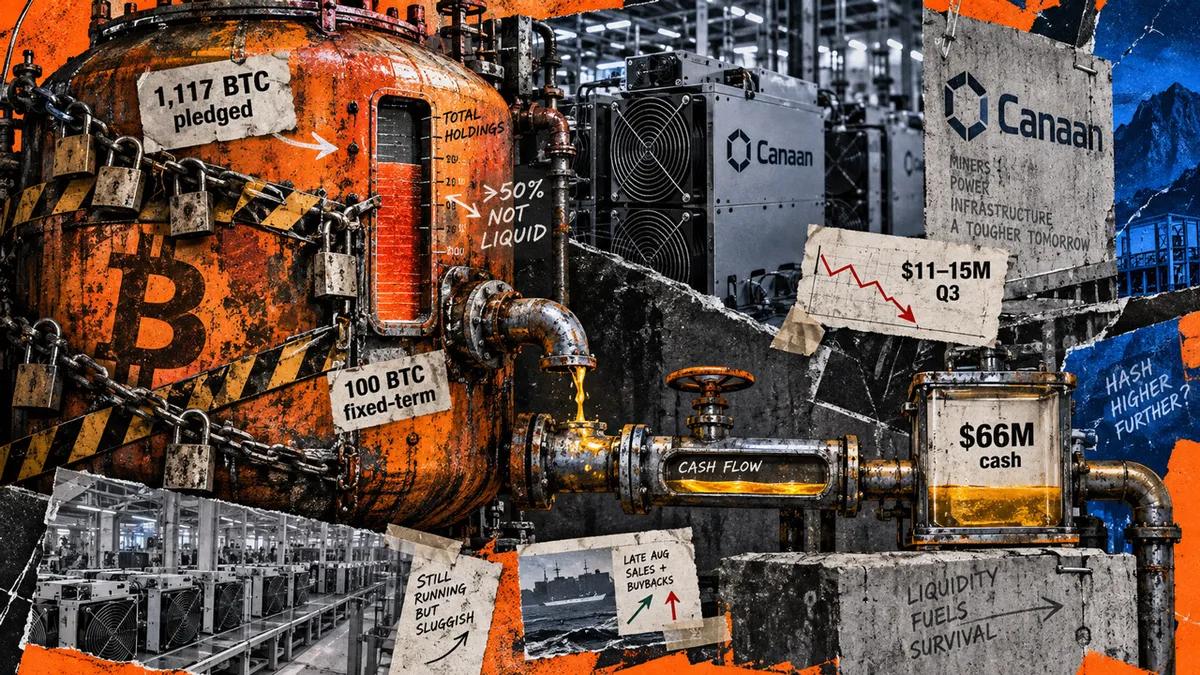
Canaan sells crypto for share buybacks after reporting $97 million loss

Idle Bitcoin mining power at 235 EH/s could create margin trap in market