Bitcoin miners face deepening margin squeeze as revenue falls below production costs
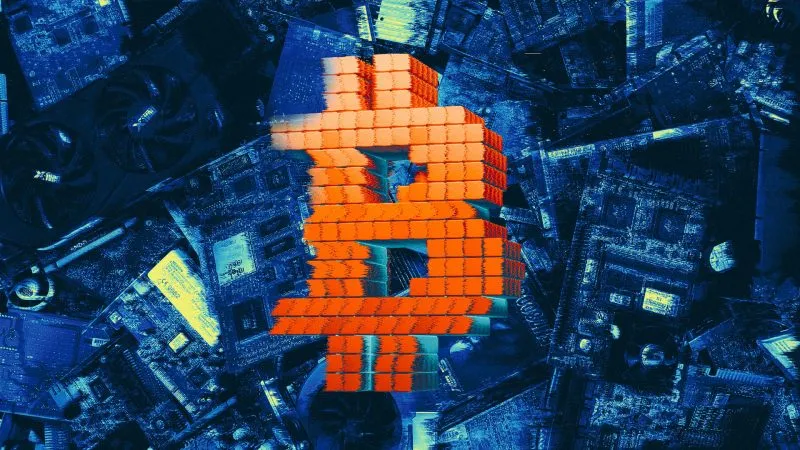
Bitcoin miners are currently grappling with a significant margin squeeze as revenue levels have dropped below production costs. Recent estimates suggest that around 20% of miners are now operating at a loss due to the prevailing market conditions. This situation has led to heightened stress not only for individual miners but also at the network level, where the impacts of diminished profitability are becoming increasingly evident. As Bitcoin prices remain volatile and operational costs continue to rise, the sustainability of many mining operations is being called into question.
The backdrop to this crisis can be traced to a combination of factors affecting the cryptocurrency market. The ongoing bear market, coupled with increased energy prices and competition, has made it challenging for miners to maintain profitability. The shift in Bitcoin's market dynamics, particularly after reaching historical highs, has created an environment where many miners find their operational costs outstripping the revenue generated from mining rewards and transaction fees. This scenario is further compounded by the rising difficulty levels in mining, which require more energy and resources to generate the same amount of Bitcoin.
The implications of this trend are significant for the broader cryptocurrency market. As more miners become unprofitable, there could be a reduction in the overall hash rate, which measures the total computational power used in the mining process. A declining hash rate may lead to slower transaction confirmation times and increased transaction fees, ultimately impacting Bitcoin's usability and attractiveness as a digital currency. Additionally, if the trend continues, it could drive some miners out of the market entirely, leading to further consolidation and potential monopolization by larger mining operations with greater resources.
Industry reactions to the current situation have been mixed. Some experts argue that this could be a necessary correction in the market, allowing only the most efficient and resilient miners to survive. Others, however, express concern that a significant drop in mining participation could undermine the security of the Bitcoin network. Various stakeholders are closely monitoring the situation, with many calling for more sustainable mining practices and innovations that could help mitigate operational costs.
Looking ahead, the future of Bitcoin mining remains uncertain. Miners may need to adapt by exploring alternative energy sources or implementing more efficient technologies to maintain profitability. Additionally, as the market evolves, we may see shifts in regulatory approaches and investment in mining infrastructure. The situation is fluid, and developments in market conditions or technological advancements could have far-reaching consequences for miners and the cryptocurrency ecosystem as a whole.

CoinMagnetic Team
Crypto investors since 2017. We trade with our own money and test every exchange ourselves.
Updated: June 2026
From our insights:
Related news
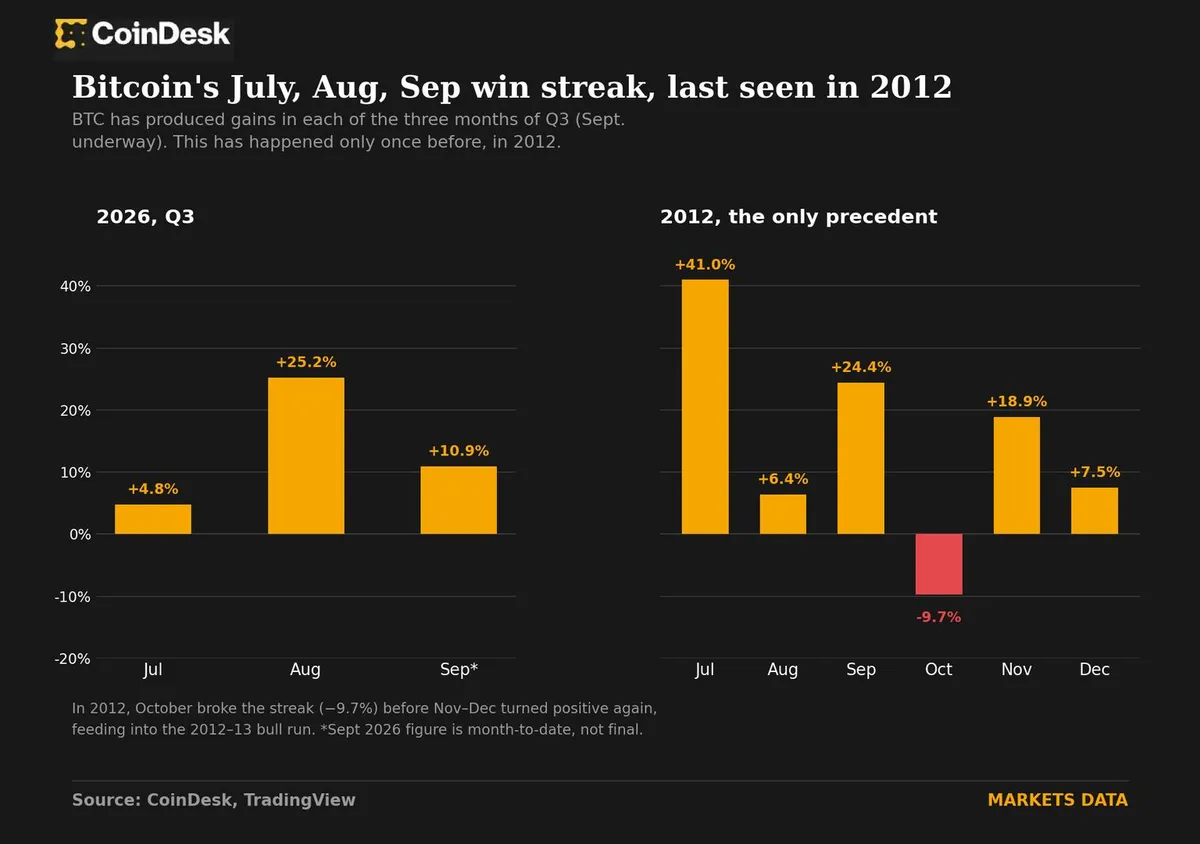
Bitcoin's on a streak it hasn't hit since 2012

CFTC warns against risky prediction market contracts following Trump's speech trades
CFTC issues advisory on risks of cheating in prediction markets

CFTC issues warning on manipulation risks in prediction markets tied to mentions

Ancient wallets move $161 million in bitcoin, including 600 BTC today