Bitcoin miner gambles on a 4-day bridge loan equal to 97% of its BTC treasury value – the deadline passed without in total silence
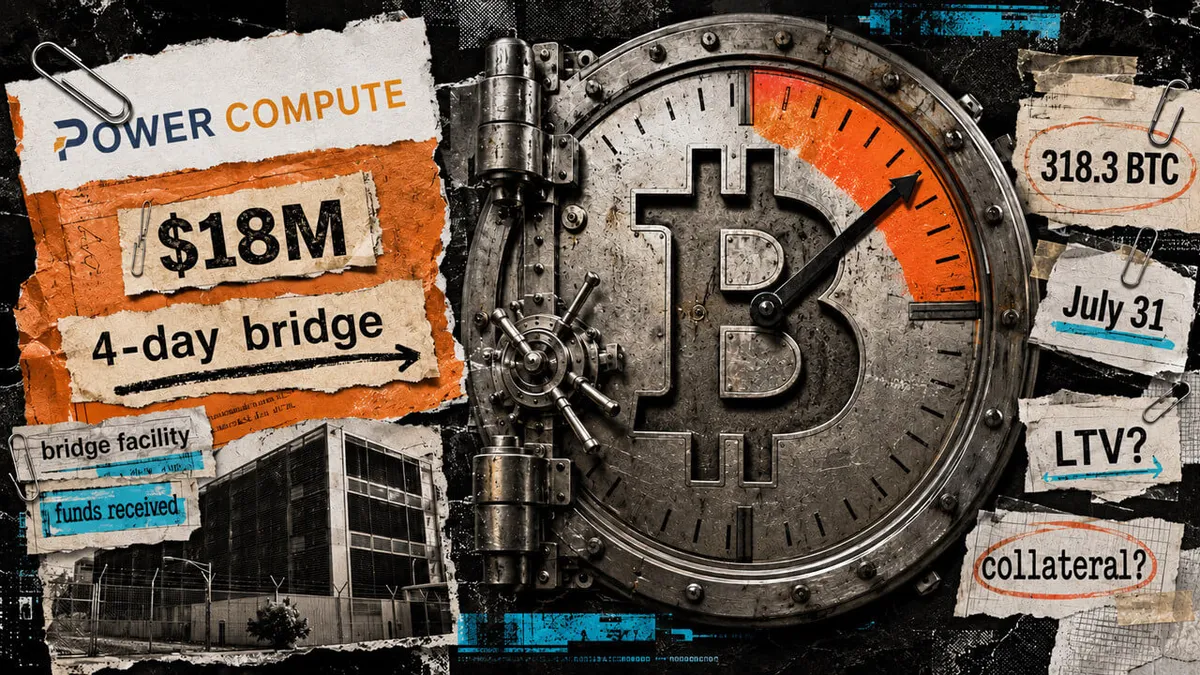
A recent development in the cryptocurrency mining sector has raised eyebrows, as a Bitcoin mining company decided to take a significant risk by securing a four-day bridge loan that amounted to a staggering 97% of its Bitcoin treasury value. The bridge loan was designed to provide immediate liquidity, with payment due by August 1. However, the specifics surrounding the proposed Arch facility–including the BTC amount involved, the loan-to-value (LTV) ratio, and the liquidation terms–remained undisclosed. As the deadline passed, the silence surrounding the outcome of this gamble has left many industry observers questioning the implications for both the miner and the broader market.
To understand this situation, we must consider the context in which this miner operates. The crypto market has been characterized by volatility and uncertainty, especially with recent fluctuations in Bitcoin prices. For miners, maintaining liquidity is crucial, and many have been exploring various financing options to navigate challenging market conditions. Bridge loans are often seen as a quick fix, but they can carry significant risks, particularly when they involve such a high percentage of a company’s treasury. This case reflects the ongoing struggles within the mining sector, where operational costs continue to rise, and profit margins are under pressure.
This incident matters for the market as it illustrates the lengths to which mining companies will go to secure liquidity in a turbulent environment. The decision to leverage such a significant portion of their Bitcoin holdings raises questions about the financial health and risk management practices of the company involved. Additionally, the lack of communication following the deadline could signal deeper issues or a potential liquidity crisis, which, if left unaddressed, may have ripple effects throughout the industry. Investors and stakeholders will be closely monitoring how this situation unfolds, as it could set a precedent for other miners considering similar financial maneuvers.
Industry reactions have been mixed, with some experts cautioning against the risks of over-leveraging. Many analysts highlight the importance of prudent financial management, especially in a sector that is inherently volatile. The silence surrounding the outcome of the loan has led some to speculate that the miner could be facing challenges in meeting its obligations, which may prompt discussions about restructuring or selling off assets to cover debts. On the other hand, some see this as a strategic move that, if successful, could bolster the miner's position in a recovering market. The diverse opinions reflect the uncertain landscape of the crypto mining industry.
Looking ahead, the key question is whether this miner will be able to navigate this precarious situation successfully. If the outcome is unfavorable, it may prompt other miners to reconsider their financing strategies and risk tolerance. Conversely, if the loan proves beneficial, it could embolden similar companies to take calculated risks in pursuit of growth. Regardless of the outcome, this incident serves as a reminder of the intricate balance between risk and reward in the cryptocurrency mining sector, as well as the need for transparency and sound financial practices in an ever-evolving market.

CoinMagnetic Team
Crypto investors since 2017. We trade with our own money and test every exchange ourselves.
Updated: August 2026
From our insights:
Related news

Corporate treasuries acquire only 5,900 bitcoin in three months amid weak demand

dtcpay secures $25 million Series A funding led by SBI Group for expansion

Ethereum announces Glamsterdam dates amid concerns over fake builders

Bank of Japan raises interest rates by 25 basis points. Bitcoin tops $77,000

North Korea and Iran lead surge in onchain malware as CoinEx closes