Bitcoin metric near ‘low-risk’ zone after holders absorb 125K BTC in June: Time for a rebound?

Bitcoin has recently shown signs of a potential rebound, as key market metrics suggest a shift in demand dynamics. Notably, the Sharpe ratio–a measure of risk-adjusted return–has moved closer to a "low-risk" zone, indicating that the cryptocurrency may be positioned for a positive turn. Additionally, data reveals that holders have accumulated an impressive 125,000 BTC throughout June, reflecting a growing confidence among investors. This uptick in demand could signal a new phase for Bitcoin, raising questions about whether prices will follow suit in the coming weeks.
To understand the significance of these developments, it is essential to consider the broader context of Bitcoin's performance over the past year. Following a tumultuous period marked by high volatility and regulatory scrutiny, many investors have been cautious. However, the recent accumulation suggests that a segment of the market believes in Bitcoin's long-term value, which could pave the way for a more stable environment. The increase in the Sharpe ratio, combined with the substantial accumulation, paints a picture of a market slowly regaining its footing.
The implications of these indicators extend beyond just Bitcoin's price action. A higher Sharpe ratio can attract institutional investors who prioritize risk management alongside returns. As these players enter the market, their participation could lead to increased liquidity and potentially stabilize prices. Moreover, a significant accumulation of Bitcoin by holders might limit available supply in the market, adding upward pressure on prices if demand continues to rise. This creates a fascinating dynamic that warrants close attention from both retail and institutional investors alike.
Industry experts have started weighing in on these developments, offering a range of perspectives. Some analysts believe that the current accumulation phase is indicative of a bullish sentiment taking hold, with many suggesting that this could precede a major price rally. Others, however, caution that while the metrics are encouraging, external factors such as regulatory changes and macroeconomic conditions could still pose risks to sustained growth. The divergence in opinions reflects the complexity of the cryptocurrency market, where optimism can be tempered by caution.
Looking ahead, the question of what comes next for Bitcoin remains open. Should the current demand trends continue, we may see a sustained price rebound that could attract further investment. On the other hand, if external factors shift negatively, the market may experience additional volatility before finding its footing. As we monitor these developments, it will be crucial to stay informed about both the technical indicators and the broader economic landscape that could influence Bitcoin's trajectory in the months to come.

CoinMagnetic Team
Crypto investors since 2017. We trade with our own money and test every exchange ourselves.
Updated: June 2026
From our insights:
Related news

Bitcoin surges past $86,000 as $1 billion in shorts are liquidated, eyes on $90,000
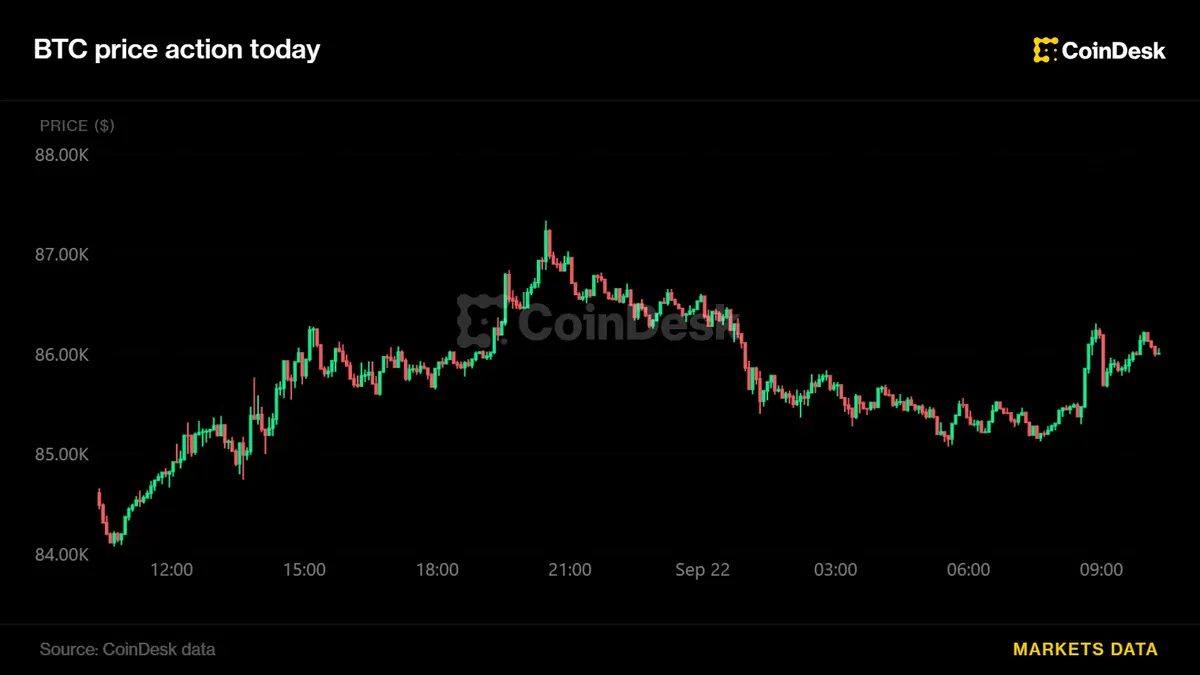
Bitcoin bounces back to $86,000 as oil prices decline and stocks rise

Prediction markets projected to reach $10 trillion by 2035, surpassing sports
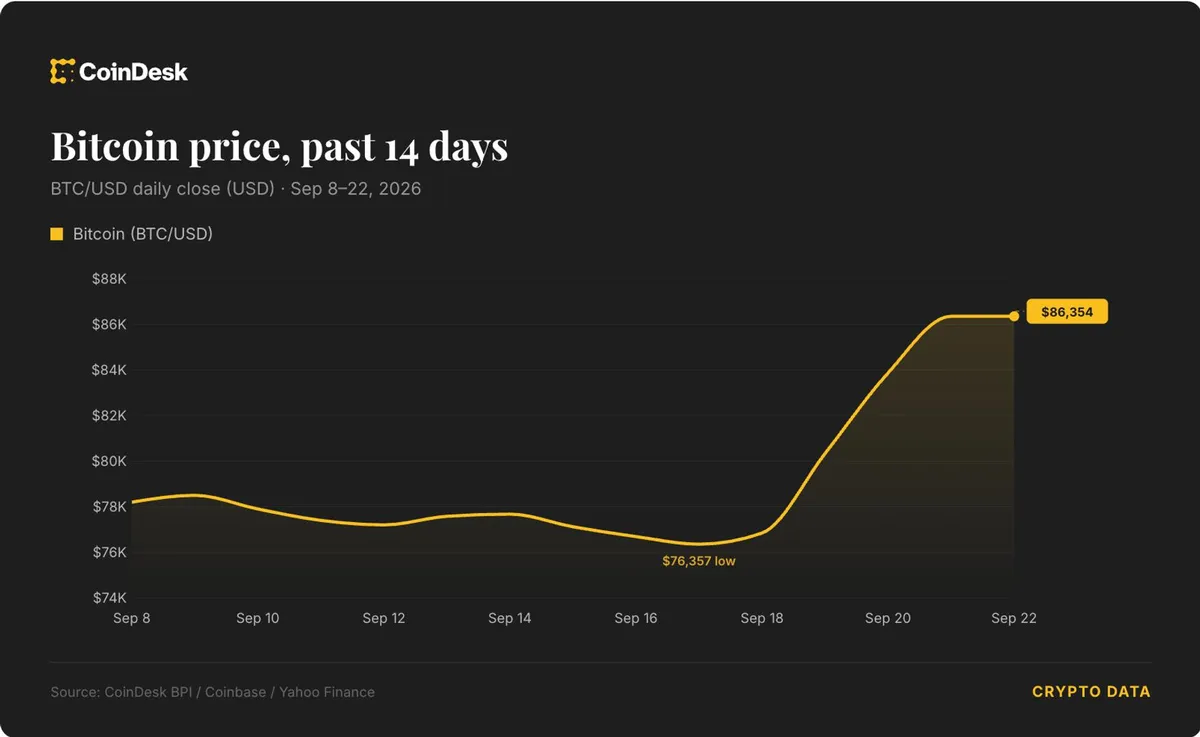
Iran hints at reopening Strait of Hormuz, WTI oil drops to $89

New altseason signal emerges as Bitcoin market cap stays under 60%