Bitcoin may need to plunge 15% or more to mark bottom, according to this long-time indicator
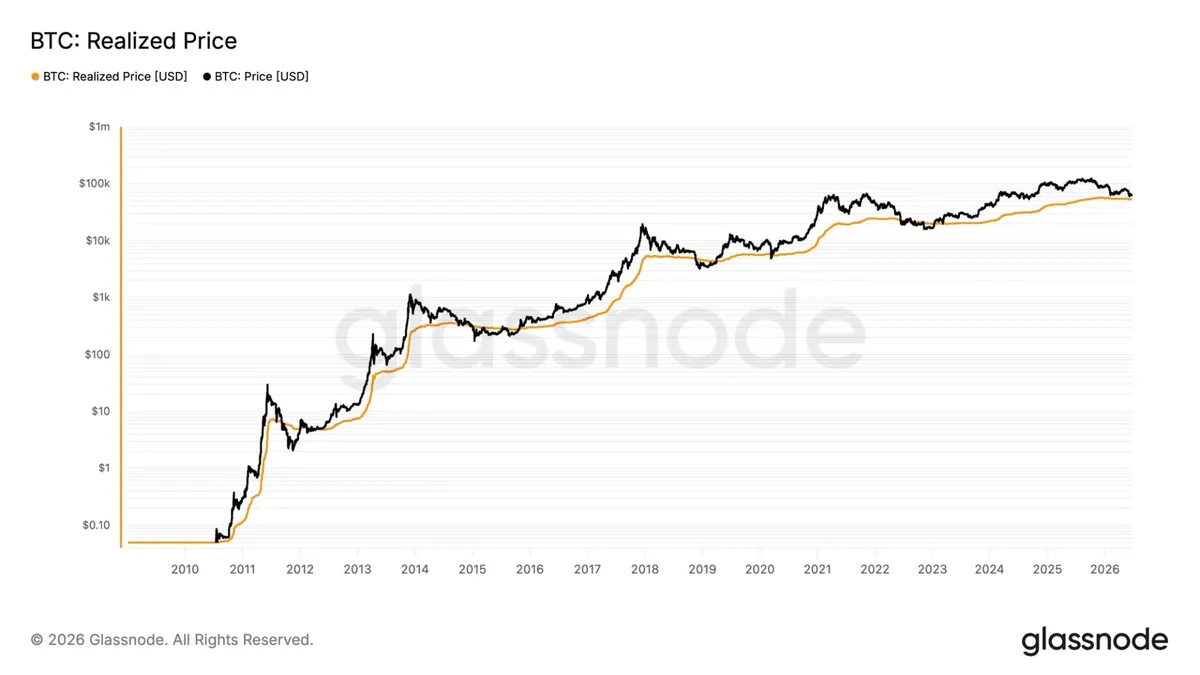
Bitcoin is currently navigating a critical juncture as it tests its 200-week moving average, a significant technical indicator used by traders to assess long-term price trends. Recent on-chain data suggests that the cryptocurrency may need to experience a further decline of 15% or more before it can firmly establish a bottom. This analysis points to the $50,000 to $54,000 range as a potential battleground for price stabilization, which could significantly impact market sentiment in the coming weeks.
To understand the implications of this situation, it's important to contextualize the 200-week moving average within the broader landscape of Bitcoin's price history. Traditionally, the 200-week moving average has served as a reliable support level during bullish and bearish cycles. The fact that Bitcoin is hovering around this critical threshold raises questions about whether it can maintain its position or if further downward pressure is imminent. Historically, significant price movements have often been observed when Bitcoin interacts with this moving average, making the current scenario particularly noteworthy for traders and investors alike.
The potential plunge of 15% could have substantial ramifications for the market. If Bitcoin does indeed retrace to the $50,000 to $54,000 range, it might shake the confidence of bullish investors while simultaneously presenting a buying opportunity for those who believe in the long-term potential of the asset. Market dynamics could shift dramatically, with increased volatility as traders react to these fluctuations. Such movements often set the tone for the broader cryptocurrency market, influencing altcoins and other digital assets as they tend to follow Bitcoin's lead.
Industry experts are weighing in on the situation with varied perspectives. Some analysts believe that a drop below the 200-week moving average could trigger panic selling, exacerbating the downturn. Others suggest that if Bitcoin can hold above this level, it may serve as a foundation for a future rally. The sentiment among traders appears mixed, with some advocating for caution while others view any dips as potential accumulation phases. As is often the case with Bitcoin, the market remains rife with speculation, reflecting the inherent uncertainty of cryptocurrency trading.
Looking ahead, all eyes will be on Bitcoin's movements as it attempts to navigate this critical phase. Should it manage to rebound and stay above the 200-week moving average, it could bolster bullish sentiment and lead to renewed interest from institutional and retail investors alike. Conversely, if it fails to hold this key level and experiences the anticipated decline, the implications for market psychology could be significant. As we move forward, the coming days and weeks will be crucial in determining Bitcoin's trajectory and its impact on the overall cryptocurrency ecosystem.

CoinMagnetic Team
Crypto investors since 2017. We trade with our own money and test every exchange ourselves.
Updated: June 2026
From our insights:
Related news

Bitcoin's weekly close above $81,000 signals potential rise to $90,000

Elon Musk's X integrates bitcoin trading options for U.S. users
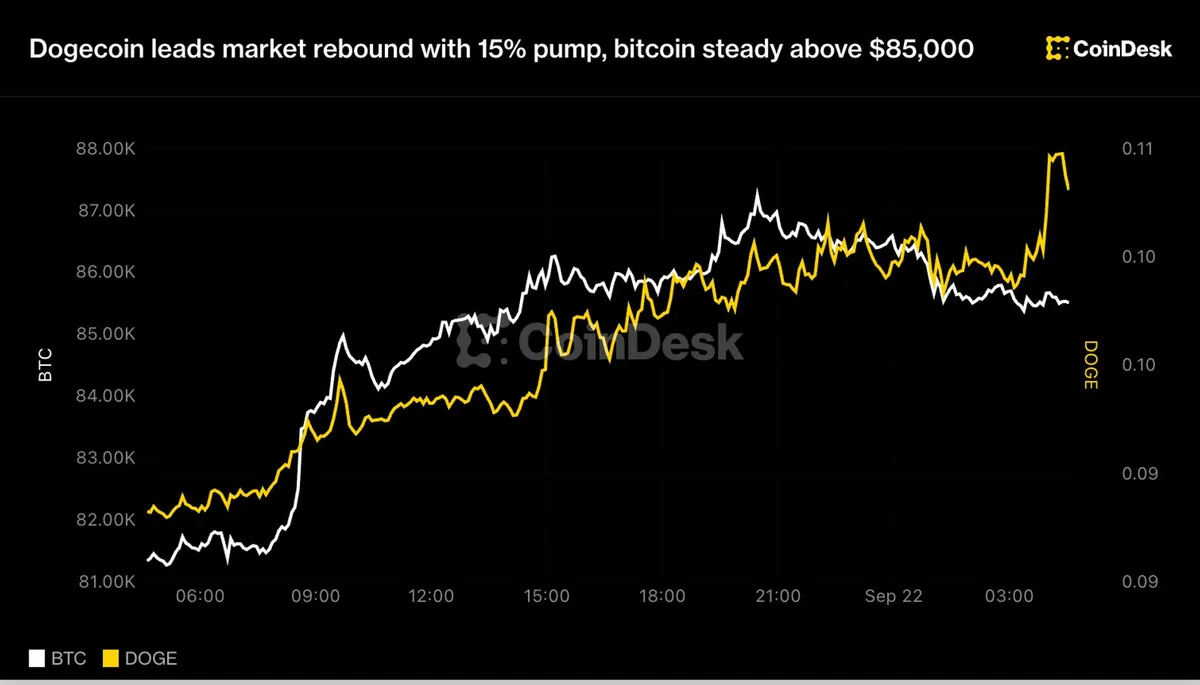
Dogecoin's 15% surge drives market recovery as bitcoin stabilizes above $85,000

Cardano adds tools for AI agent payments, joining Solana and XRP Ledger

Trueo prediction market moves from Base to Ethereum