Bitcoin left behind in the geopolitical melee

Bitcoin has found itself sidelined amid a complex geopolitical landscape that has been influencing financial markets worldwide. As tensions escalate in various regions, traditional markets are reacting to uncertainty, with investors flocking to safer assets. In this environment, Bitcoin's price has remained relatively stagnant, failing to capture the attention of those seeking refuge from volatility. With significant geopolitical events unfolding, including trade negotiations and military movements, Bitcoin's role as a hedge against instability is being called into question.
To understand this current situation, it is essential to consider the historical context of Bitcoin's performance during global crises. Over the past decade, Bitcoin has often been touted as a "digital gold" – a perceived safe haven asset that could provide investors with security during turbulent times. Yet, as recent events have demonstrated, Bitcoin has not consistently fulfilled this role. The price dynamics of Bitcoin during previous geopolitical tensions have varied greatly, leading to debates regarding its status as a reliable store of value.
The implications for the market are notable, as Bitcoin's inability to capitalize on current geopolitical tensions may reflect a broader sentiment among investors. Many are increasingly questioning whether cryptocurrencies can truly serve as safe-haven assets or if they are merely speculative vehicles. This skepticism could lead to a shift in investment strategies, with more traditional assets like gold and U.S. Treasuries gaining favor as dependable options in uncertain times. As a result, Bitcoin's price trajectory may be affected by these changing preferences.
Industry experts have weighed in on the situation, suggesting that the current geopolitical climate exposes the vulnerabilities of Bitcoin as an asset class. Some analysts argue that Bitcoin's correlation with traditional markets is growing stronger, which undermines its appeal as a distinct asset in times of crisis. Others contend that the cryptocurrency's volatility may deter risk-averse investors who seek stability over potential high returns. The general consensus seems to lean towards a cautious outlook, as many market participants await signs of a shift that could reinvigorate Bitcoin's position.
Looking ahead, it remains to be seen how Bitcoin will navigate the ongoing geopolitical landscape. Should tensions continue to rise or new crises emerge, there may be opportunities for Bitcoin to reclaim its status as a safe haven. Alternatively, if investors continue to prioritize traditional assets, Bitcoin could find itself struggling to attract interest. As the situation evolves, we will be closely monitoring market reactions and the strategies employed by investors to adapt to the changing dynamics.

CoinMagnetic Team
Crypto investors since 2017. We trade with our own money and test every exchange ourselves.
Updated: May 2026
From our insights:
Related news
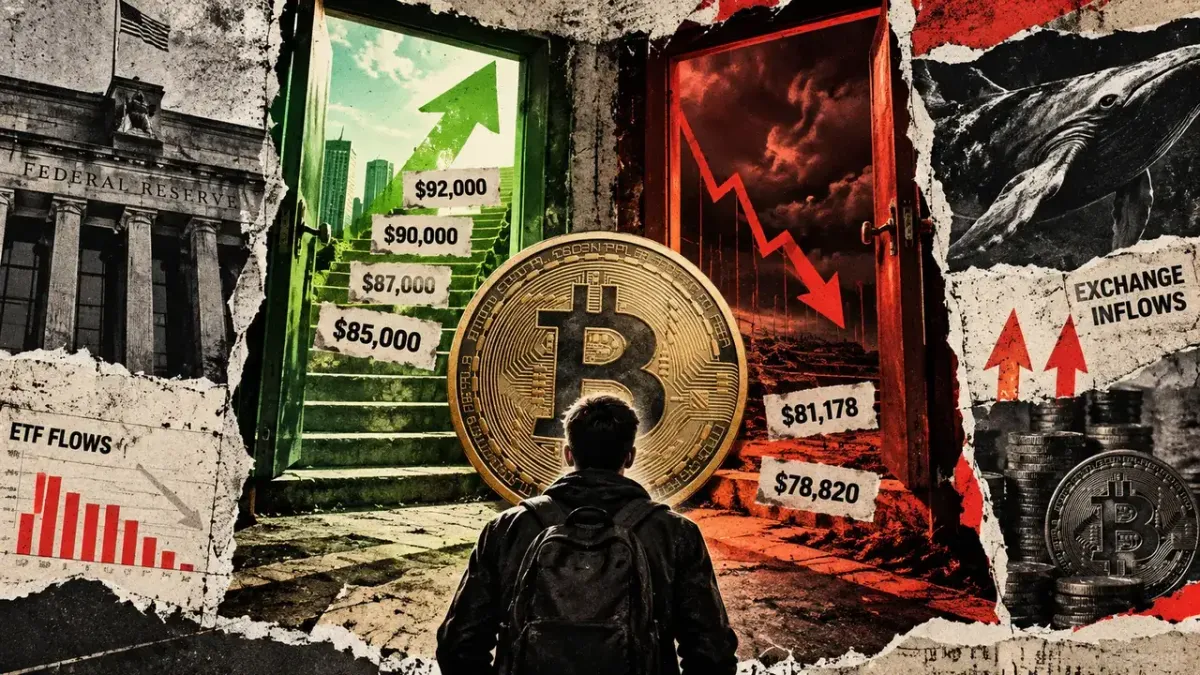
Bitcoin's weekly close above $81,000 signals potential rise to $90,000

Elon Musk's X integrates bitcoin trading options for U.S. users
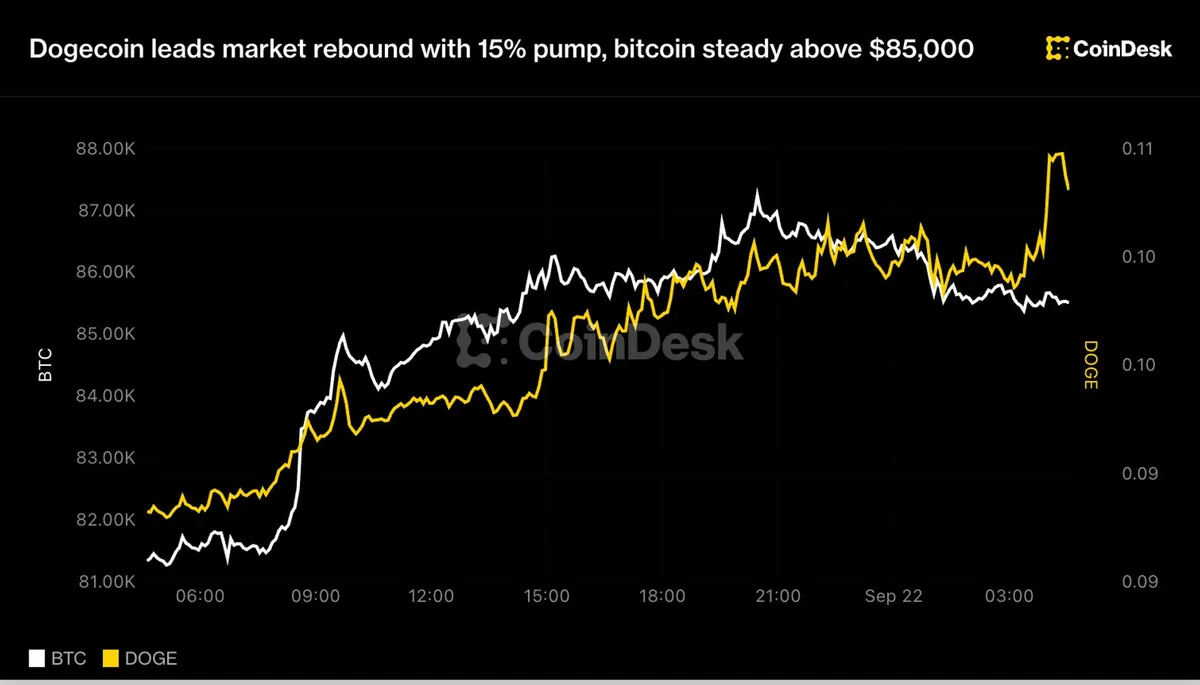
Dogecoin's 15% surge drives market recovery as bitcoin stabilizes above $85,000

Cardano adds tools for AI agent payments, joining Solana and XRP Ledger

Trueo prediction market moves from Base to Ethereum