Bitcoin is falling, bond yields are rising. Yet BTC’s implied volatility, an uncertainty gauge, remains low.

Bitcoin's recent price downturn has captured the attention of investors and analysts alike, as the cryptocurrency falls amidst rising bond yields. While many anticipated increased volatility in response to this market turmoil, Bitcoin's implied volatility remains surprisingly low. This measure, often used to gauge the expected price fluctuations of an asset, indicates a level of market confidence or complacency that has left many observers puzzled. Options traders are responding to this scenario by considering strategies like long straddles, which can capitalize on potential price swings, regardless of the direction.
To better understand the current situation, we must examine the broader economic context. The rise in bond yields typically signals investor concerns about inflation and interest rates, often leading to a selloff in riskier assets, including cryptocurrencies. Bitcoin's historical correlation with traditional financial markets makes it susceptible to these broader economic factors. However, the low implied volatility suggests that traders may not expect significant price movements in the near term, presenting a stark contrast to the recent bearish trend.
This divergence is particularly intriguing for market participants. Low implied volatility in the face of falling prices could imply that investors are either hesitant to make drastic moves or are confident that Bitcoin will recover soon. This sentiment can influence trading strategies, as many traders might opt for options strategies that take advantage of potential price swings. The current low volatility environment might also suggest that Bitcoin has found a temporary support level, as traders look for signs of a reversal before making larger bets.
Industry experts are weighing in on the situation, with some suggesting that the low implied volatility could represent a period of accumulation, while others caution against complacency. Many analysts believe that the market's response to both Bitcoin's price action and the broader economic landscape will determine the next significant move. As the market digests these developments, the prevailing sentiment will shape investor behavior and the strategies employed by options traders.
Looking ahead, we anticipate that the interplay between Bitcoin's price, bond yields, and implied volatility will be critical in the coming weeks. If bond yields continue to rise, the market may see increased pressure on Bitcoin, potentially leading to a reassessment of volatility expectations. Conversely, any stabilization in the Bitcoin market could trigger a shift in sentiment, prompting a resurgence in trading activity and an uptick in volatility. As always, the crypto market remains unpredictable, and all eyes will be on how these factors evolve.

CoinMagnetic Team
Crypto investors since 2017. We trade with our own money and test every exchange ourselves.
Updated: May 2026
From our insights:
Related news

Bitcoin's weekly close above $81,000 signals potential rise to $90,000

Elon Musk's X integrates bitcoin trading options for U.S. users
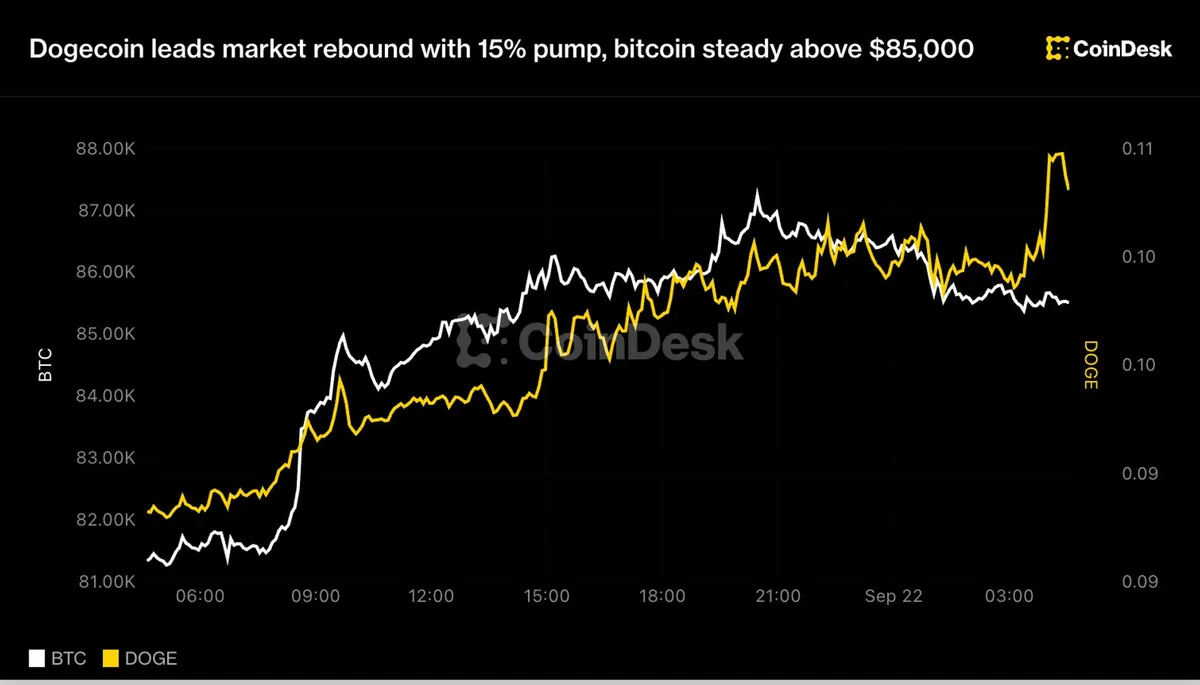
Dogecoin's 15% surge drives market recovery as bitcoin stabilizes above $85,000

Cardano adds tools for AI agent payments, joining Solana and XRP Ledger

Trueo prediction market moves from Base to Ethereum