Bitcoin Iran-deal rally faces its real test in oil flows and Fed pricing
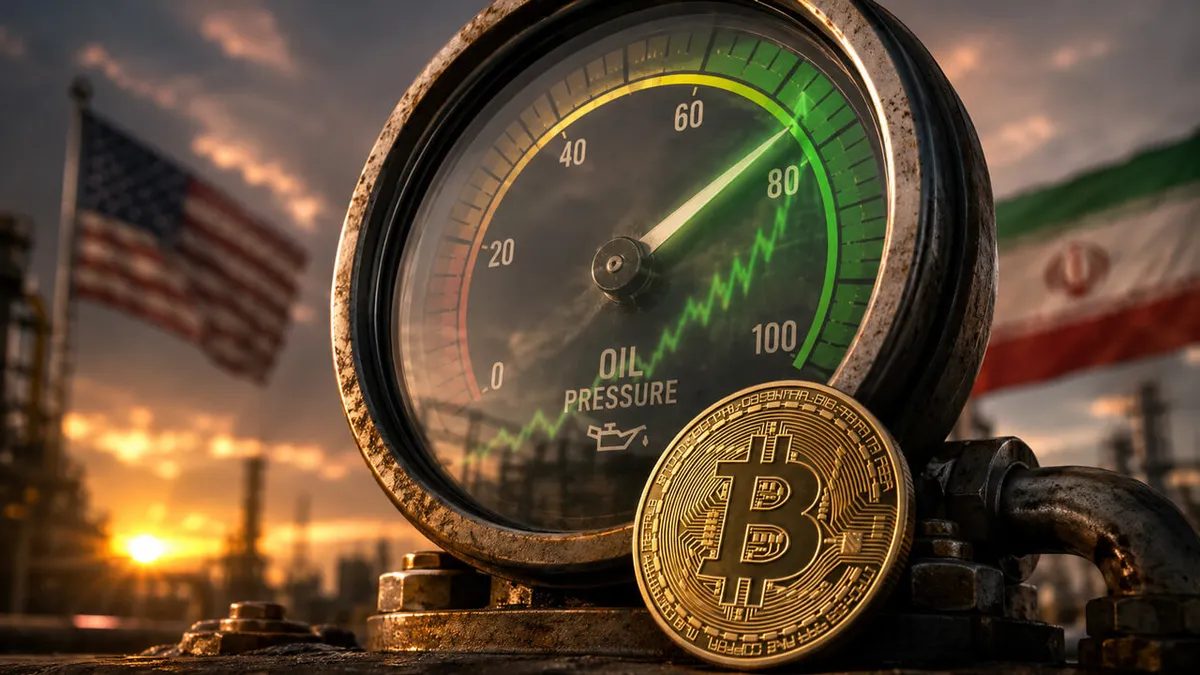
Recent optimism surrounding a potential U.S.-Iran deal has sparked a notable rally in Bitcoin prices, with the cryptocurrency witnessing increased trading activity. This rally is being interpreted as a significant macroeconomic signal, suggesting that traders are responding to the possibility of an easing of geopolitical tensions. The framework for this deal could potentially lead to a more stable oil market, which has implications for inflation and monetary policy. However, market participants are keenly aware that this initial excitement must be validated by concrete developments in oil flows, gasoline prices, and Federal Reserve pricing before it can be seen as a legitimate trigger for sustained upward momentum in Bitcoin.
To understand the implications of this rally, it is essential to consider the broader context of U.S.-Iran relations. Historically, geopolitical tensions in the Middle East have had a direct impact on global oil prices, which in turn influence inflation and monetary policies in major economies. The potential for a new deal could signify a thawing of relations, which would likely lead to increased oil supply and a reduction in prices. This could have a cascading effect on inflation expectations and the Federal Reserve's interest rate decisions, making the current developments particularly significant for traders in both the oil and cryptocurrency markets.
The importance of this situation for the cryptocurrency market cannot be overstated. If the optimism surrounding the U.S.-Iran deal translates into tangible changes in oil supply and pricing, it could bolster investor confidence in Bitcoin as a hedge against inflation. Conversely, if these expectations are not met, the market could experience a sharp correction. Traders are currently evaluating the extent to which these geopolitical developments will influence inflation and the Fed's future rate cuts, which are critical factors for Bitcoin's price trajectory.
Industry experts and analysts are weighing in on the situation, with many expressing cautious optimism. Some believe that the potential deal could provide a much-needed boost to Bitcoin's status as a digital asset that operates outside of traditional financial systems, thereby attracting investors looking for alternative hedges against inflation. Others, however, warn against placing too much faith in the rally without clear data on oil flows and inflation trends. The consensus seems to be that while the rally is encouraging, it requires further confirmation before being seen as a solid trend.
Looking ahead, market participants will be closely monitoring developments in both the U.S.-Iran negotiations and the global oil market. Any shifts in oil production or pricing will likely influence not only the cryptocurrency market but also broader economic indicators. As traders await confirmation of these macro signals, the interplay between geopolitical events and financial markets will continue to be a focal point for investors in the coming weeks.

CoinMagnetic Team
Crypto investors since 2017. We trade with our own money and test every exchange ourselves.
Updated: May 2026
From our insights:
Related news
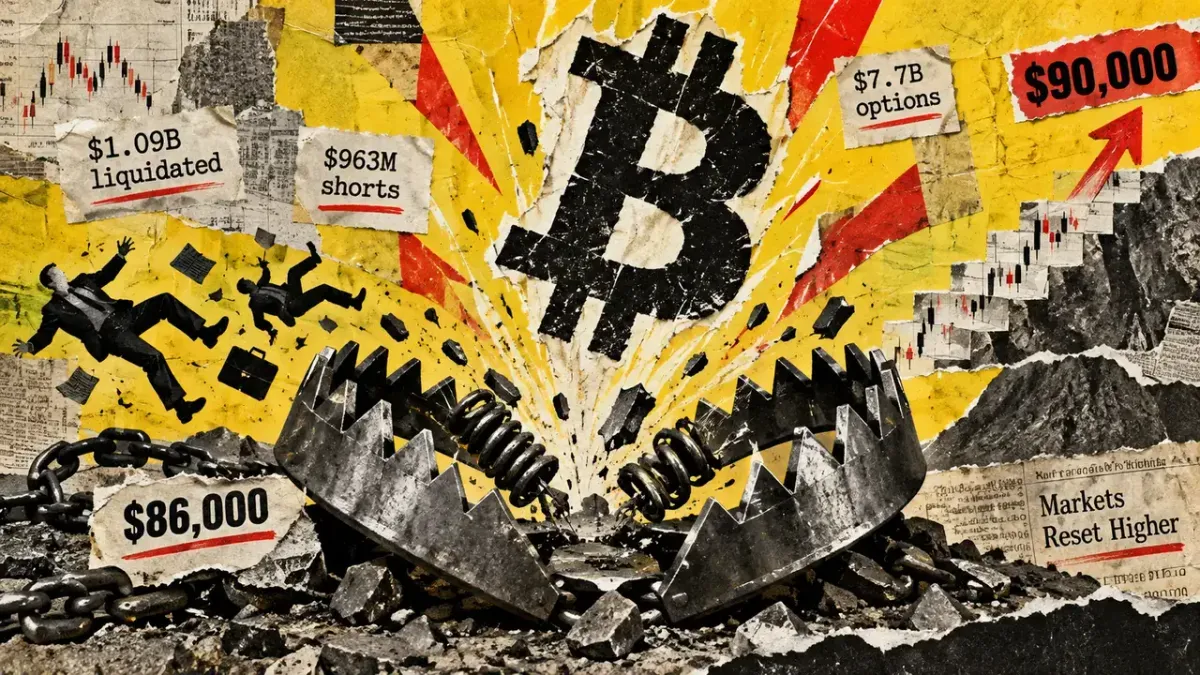
Bitcoin surges past $86,000 as $1 billion in shorts are liquidated, eyes on $90,000
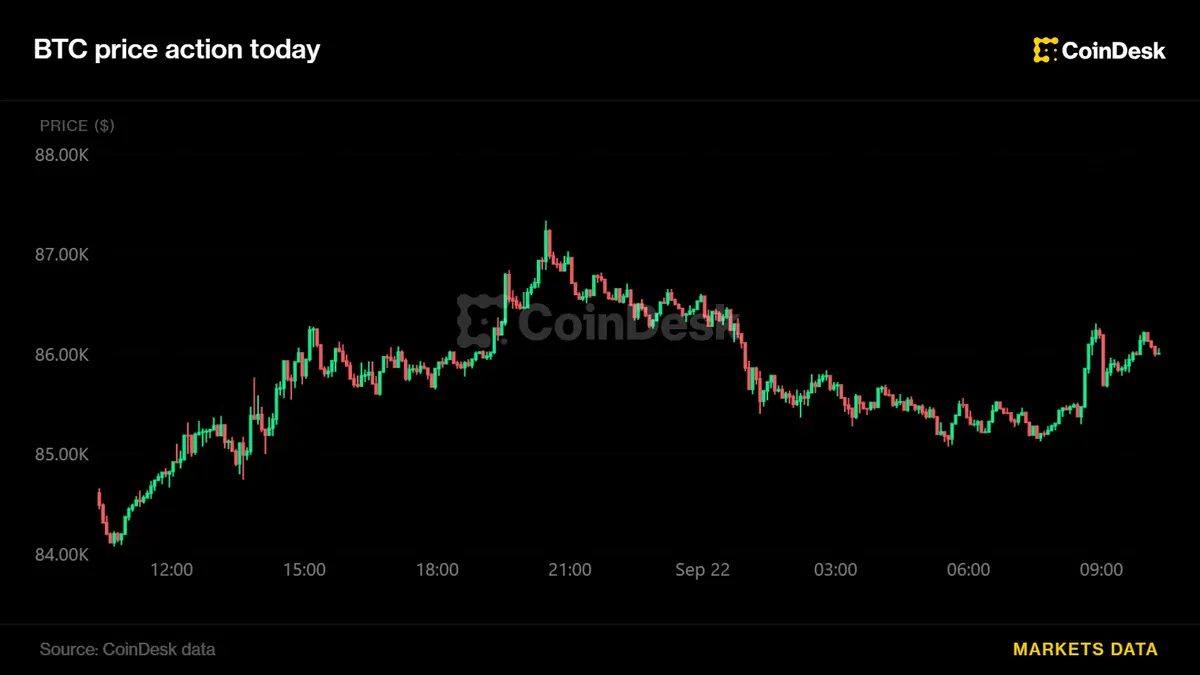
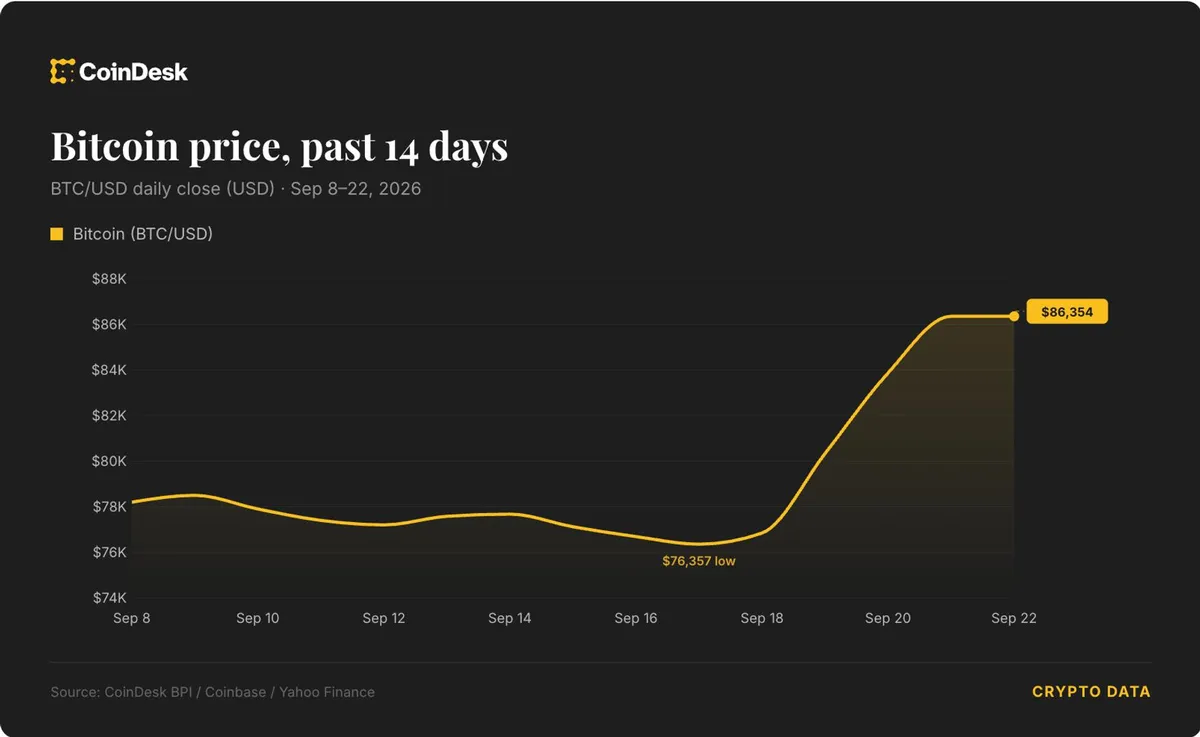
Bitcoin bounces back to $86,000 as oil prices decline and stocks rise

Prediction markets projected to reach $10 trillion by 2035, surpassing sports
Iran hints at reopening Strait of Hormuz, WTI oil drops to $89
New altseason signal emerges as Bitcoin market cap stays under 60%