Bitcoin Hormuz payments for ship insurance will test crypto’s neutral money thesis
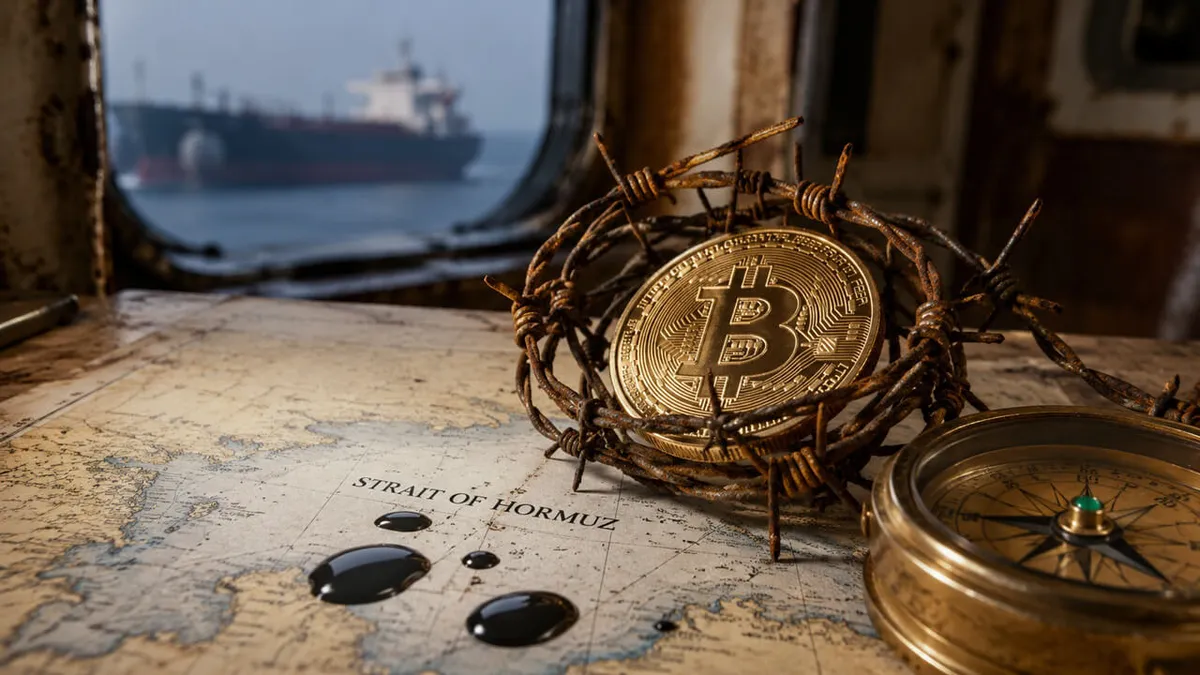
Iran has recently introduced a new initiative called Hormuz Safe, which is poised to revolutionize maritime insurance in the region. According to reports from Fars News, which is affiliated with the Islamic Revolutionary Guard Corps (IRGC), this platform allows vessels transiting the strategically significant Strait of Hormuz to obtain digital insurance, with premiums settled in Bitcoin. This announcement marks a significant step for Iran's Economy Ministry, which has been working on this mechanism since early May, anticipating revenues exceeding $10 billion. The move underscores Iran's ambition to leverage cryptocurrency in a way that could potentially bypass traditional financial systems.
The Strait of Hormuz is a crucial chokepoint for global oil transportation, with about 20 percent of the world's petroleum passing through its waters. Given the geopolitical tensions and sanctions that Iran has faced, the introduction of Hormuz Safe reflects a broader strategy to utilize cryptocurrencies as a means to facilitate trade and financial transactions in the face of international isolation. This initiative not only shows Iran's willingness to embrace digital currencies but also highlights how countries can adapt to economic pressures by employing innovative solutions.
This development carries significant implications for the cryptocurrency market, particularly for Bitcoin. By using Bitcoin as a medium for settling insurance premiums, Iran is effectively testing the waters of the neutral money thesis that many crypto proponents champion. This thesis posits that cryptocurrencies can serve as impartial, global currencies that transcend geopolitical boundaries. If Hormuz Safe is successful, it could encourage other nations under sanctions or seeking to avoid traditional financial systems to adopt similar practices, further integrating cryptocurrency into mainstream commerce.
Industry experts have expressed mixed reactions to this development. Some view it as a positive step that validates cryptocurrencies' utility in facilitating cross-border transactions without reliance on traditional banking systems. Others, however, are concerned about the potential for increased regulatory scrutiny and the risks associated with using crypto for transactions linked to sanctioned entities. The situation raises questions about the long-term viability of cryptocurrencies in geopolitically sensitive environments and how governments will respond to their use in such contexts.
Looking ahead, it will be essential to monitor how Hormuz Safe operates and whether it attracts interest from shipping companies and other stakeholders in the maritime industry. The success or failure of this platform could serve as a barometer for the broader acceptance of cryptocurrencies in traditional sectors, particularly in regions facing economic sanctions. Additionally, it may prompt discussions among regulatory bodies regarding the implications of cryptocurrency adoption in international trade, potentially shaping the future landscape of crypto regulations worldwide.

CoinMagnetic Team
Crypto investors since 2017. We trade with our own money and test every exchange ourselves.
Updated: May 2026
From our insights:
Related news

CFTC issues warning on manipulation risks in prediction markets tied to mentions

Ancient wallets move $161 million in bitcoin, including 600 BTC today
CFTC Chairman Selig emphasizes need for markets to adapt to mass tokenization

Republican senator seeks investigation into presidential sons' crypto ties
OpenAI cuts prices 50% on mid-tier models as Anthropic unveils Claude Opus 5.5