Bitcoin holds near $66,300 as chips extend their rally and the yen hits a 40-year low

Bitcoin has shown remarkable resilience, maintaining its position near $66,300 amidst a backdrop of significant financial developments. The cryptocurrency's stability comes as semiconductor stocks continue to rally, buoyed by growing optimism surrounding artificial intelligence advancements. This surge in the semiconductor sector is noteworthy, as it reflects a broader trend in technology and innovation that is currently resonating across various markets. Meanwhile, the Japanese yen has experienced a stark decline, hitting a 40-year low against the U.S. dollar, trading past 163 yen to the dollar, marking a critical moment in foreign exchange dynamics.
To understand the current landscape, it is essential to consider the historical context of both Bitcoin and the semiconductor market. Bitcoin has been known for its volatility, often swayed by external economic factors. However, its recent performance suggests a potential decoupling from traditional market movements. On the other hand, the semiconductor industry is seeing renewed interest as companies harness AI technologies, which have the potential to drive substantial growth and innovation. The yen's depreciation, influenced by Japan's economic policies and interest rate differentials, adds another layer of complexity to the global financial scene, impacting investor sentiment and currency strategies.
The implications of these events for the cryptocurrency market are significant. Bitcoin's ability to hold steady near its current price could signal to investors that it is becoming a more stable asset, even as traditional markets experience turmoil. The ongoing rally in semiconductor stocks could also signal a shift in investment strategies, where investors might look to diversify their portfolios by including cryptocurrencies alongside tech stocks. Furthermore, the weakening of the yen could lead to increased interest in Bitcoin as a hedge against currency fluctuations, reinforcing its appeal in global markets.
Industry reactions have been mixed, with some experts expressing cautious optimism about Bitcoin's performance. Analysts suggest that the cryptocurrency is gaining traction as a legitimate asset class, particularly in uncertain economic times. Others, however, caution that the current rally might be overextended, urging investors to remain vigilant. The semiconductor sector's growth due to AI is being closely watched, as it could have ripple effects on other industries, including blockchain technology and crypto mining.
Looking ahead, we anticipate further developments that could shape Bitcoin's trajectory. If semiconductor stocks continue to thrive, it could lead to increased investment in tech-driven assets, including cryptocurrencies. Conversely, if the yen's decline prompts more aggressive monetary policies from the Bank of Japan, this could shift global market dynamics, potentially influencing Bitcoin's price. As we move forward, watching these interconnected trends will be crucial for understanding both the cryptocurrency landscape and the broader economic environment.

CoinMagnetic Team
Crypto investors since 2017. We trade with our own money and test every exchange ourselves.
Updated: July 2026
From our insights:
Related news

Mt. Gox extends creditor repayment deadline to 2027 amid ongoing issues

South Korea KOSPI index drops nearly 4 percent as Elice tumbles in weak IPO debut
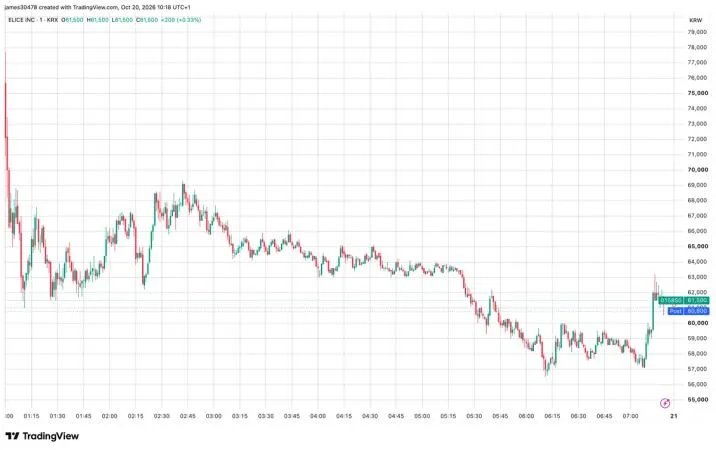
Elice debut slump and Brent crude above $111 heighten market unease

JPMorgan forecasts bitcoin gains will beat US equities and gold

Sophon announces Nov. 25 deadline for withdrawals as mainnet shutdown approaches