Bitcoin Hasn't Broken the 4-Year Cycle Yet, Says 21Shares as BTC Dives Below $60K
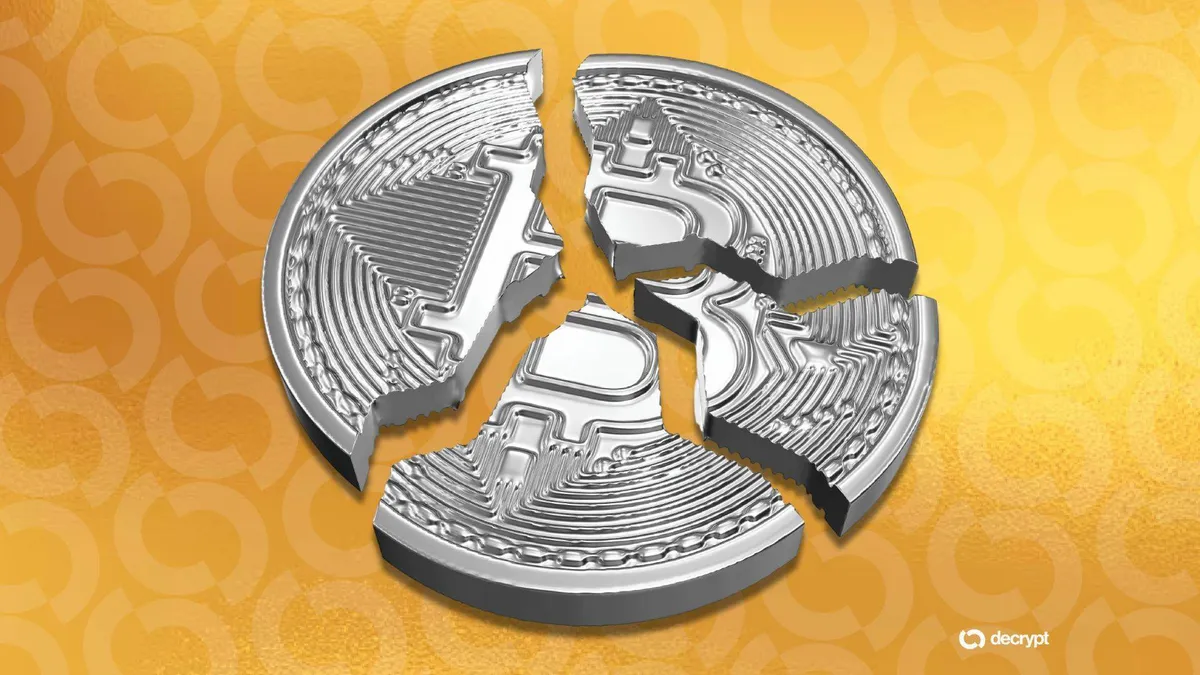
Bitcoin's recent drop below the $60,000 threshold has reignited discussions about its historical four-year cycle, a pattern that many investors have closely monitored over the years. According to the crypto investment firm 21Shares, the anticipated break from this cycle has not materialized, leading to concerns about the future trajectory of Bitcoin's price. The current market sentiment reflects unease as traders and investors reassess their positions in light of this downward movement, which many attribute to a mix of macroeconomic pressures and regulatory developments.
To understand the implications of this situation, it's essential to delve into the historical context of Bitcoin's price movements. Traditionally, Bitcoin has experienced significant price rallies followed by corrections approximately every four years, often linked to the Bitcoin halving events. The most recent halving occurred in May 2020, which preceded a substantial price surge culminating in late 2021 when Bitcoin reached an all-time high. Many market analysts and participants had hoped that the current price action would deviate from this established cycle, viewing the potential for sustained growth as a positive sign for broader cryptocurrency adoption.
The significance of Bitcoin's inability to break this four-year cycle cannot be understated. For traders and institutional investors, the four-year pattern has served as a critical framework for forecasting price movements and making strategic decisions. A sustained drop below $60,000 may lead to increased selling pressure, as traders fear a longer bear market could be on the horizon. This situation may also influence the broader cryptocurrency market, with altcoins often following Bitcoin's lead, leading to a potential downturn across various digital assets.
Industry experts and analysts have voiced differing opinions regarding the current market dynamics. Some believe that the failure to break from the four-year cycle could signal a more prolonged period of consolidation and uncertainty for Bitcoin, which might deter new investment. Others argue that the fundamentals of Bitcoin, such as its increasing adoption and institutional interest, may provide a buffer against significant downturns. The mixed reactions underscore the complexity of the current market landscape and reflect a cautious outlook among participants.
Looking ahead, the key question remains whether Bitcoin can reclaim its position above the $60,000 mark and break free from the historical patterns that have defined its price movements. Traders will be closely watching for any signs of recovery or further decline, as well as macroeconomic indicators that could impact market sentiment. As the situation unfolds, we will continue to monitor developments and provide insights into what this means for Bitcoin and the broader cryptocurrency ecosystem.

CoinMagnetic Team
Crypto investors since 2017. We trade with our own money and test every exchange ourselves.
Updated: June 2026
From our insights:
Related news

CFTC issues warning on manipulation risks in prediction markets tied to mentions

Ancient wallets move $161 million in bitcoin, including 600 BTC today

CFTC Chairman Selig emphasizes need for markets to adapt to mass tokenization

Republican senator seeks investigation into presidential sons' crypto ties

OpenAI cuts prices 50% on mid-tier models as Anthropic unveils Claude Opus 5.5