Bitcoin has reached a deep bear-market valuation zone. The hard part may come next.

Bitcoin has recently entered what many analysts describe as a deep bear-market valuation zone, raising concerns about the potential for further downside in the coming months. Two key metrics–namely the Market Value to Realized Value (MVRV) ratio and the Puell Multiple–have signaled capitulation among investors, suggesting that selling pressure may have peaked. However, one analyst has cautioned that while these indicators typically point to a market bottom, the difficult phase of a slow grind could lie ahead. This indicates that while a short-term rebound might be possible, the road to recovery could be long and arduous.
To understand the current situation, it’s essential to consider the historical context of Bitcoin's price movements. The cryptocurrency has faced various cycles of boom and bust since its inception, often characterized by rapid gains followed by steep corrections. The MVRV ratio, which compares the current market cap to the realized cap, has historically indicated the market's sentiment towards Bitcoin's valuation. When this ratio drops significantly, it often signals that Bitcoin is undervalued, leading to potential buying opportunities. Similarly, the Puell Multiple measures miner revenue, which can offer insights into market health. Both indicators suggest that we may be at a point of capitulation, but the market's response can be unpredictable.
This situation is critical for the overall cryptocurrency market. A prolonged bear phase could deter new investors and lead to increased volatility as existing holders grapple with losses. Many market participants look for signs of recovery, and if Bitcoin continues to languish at these lower levels, it could trigger a broader sell-off across altcoins. Additionally, the sentiment surrounding Bitcoin often sets the tone for the entire crypto ecosystem, meaning that any sustained downturn could have ripple effects across various tokens and projects.
Industry experts are divided on the implications of these signals. Some believe that the current metrics indicate a bottoming process, while others warn that the slow grind could result in further declines before any meaningful recovery is realized. Analysts urge caution, emphasizing the importance of external factors such as regulatory developments, macroeconomic conditions, and technological advancements in blockchain that may influence market dynamics.
Looking ahead, the focus will likely shift to how Bitcoin performs in the coming weeks and months. If the expected slow grind materializes, investors will need to remain vigilant and patient, as the market could experience fluctuations that test their resolve. Conversely, any positive developments–be it regulatory clarity, increased institutional adoption, or significant technological breakthroughs–could provide the necessary impetus for a turnaround. As always in the world of cryptocurrencies, the future remains uncertain, and the path forward will require close attention to both market signals and broader economic trends.

CoinMagnetic Team
Crypto investors since 2017. We trade with our own money and test every exchange ourselves.
Updated: June 2026
From our insights:
Related news

Bitcoin surges past $86,000 as $1 billion in shorts are liquidated, eyes on $90,000
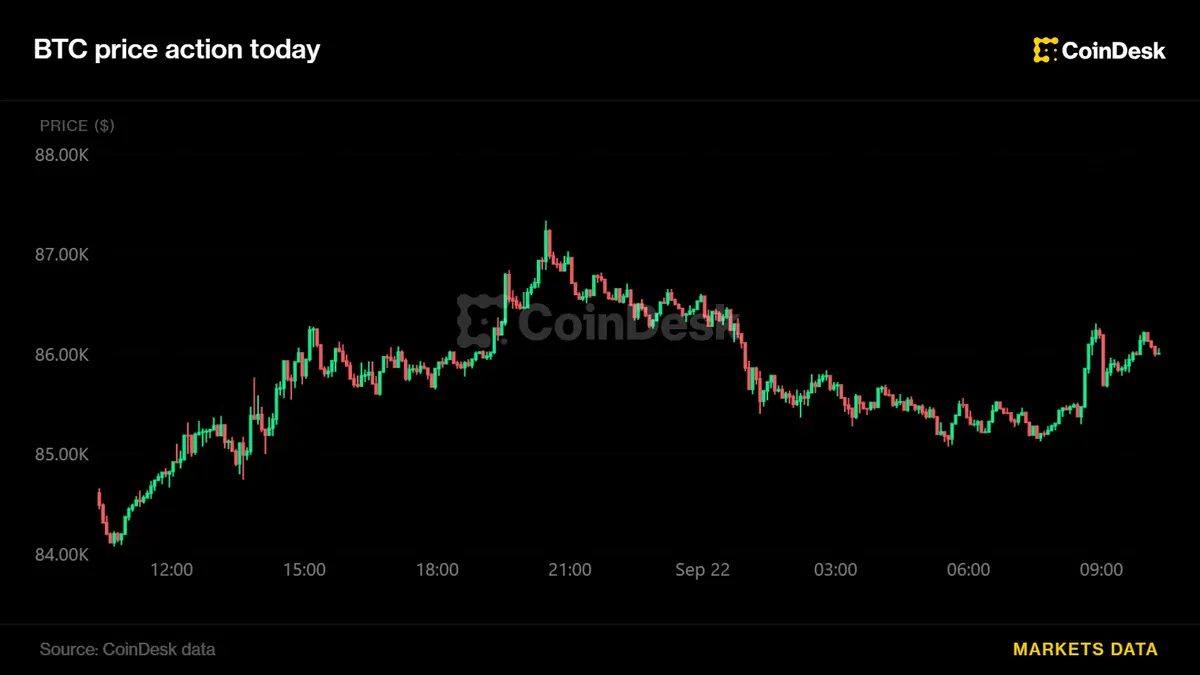
Bitcoin bounces back to $86,000 as oil prices decline and stocks rise

Prediction markets projected to reach $10 trillion by 2035, surpassing sports
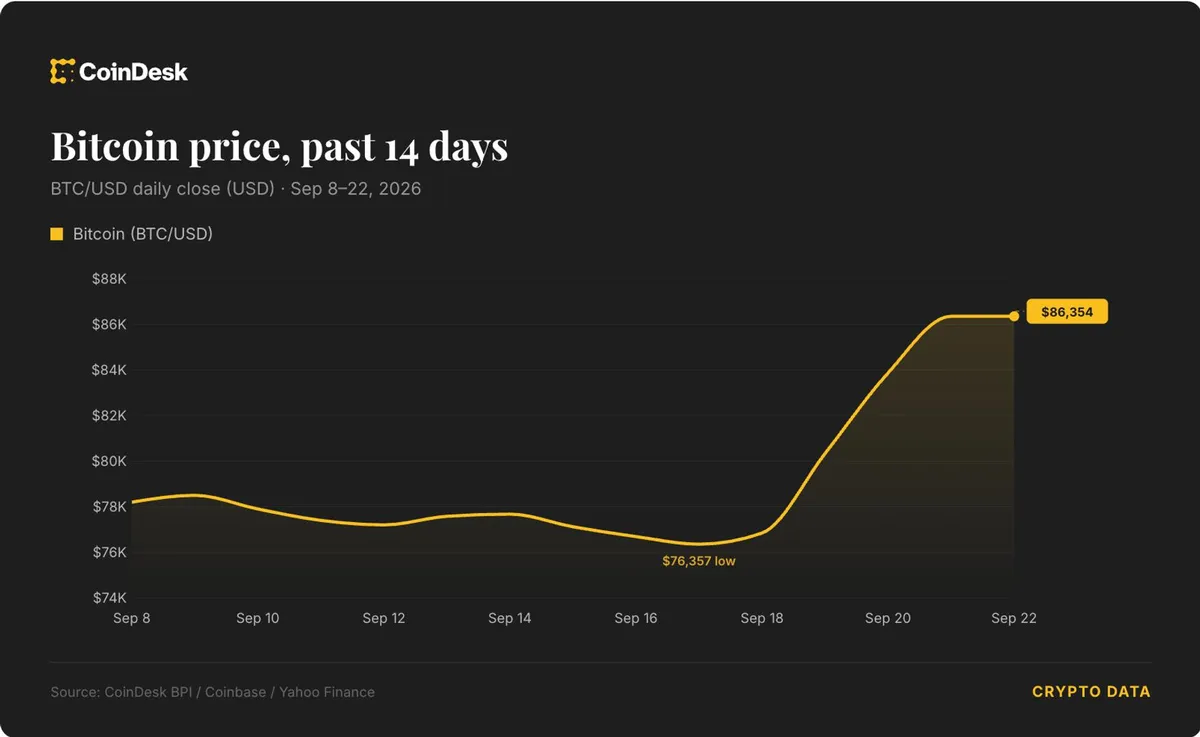
Iran hints at reopening Strait of Hormuz, WTI oil drops to $89

New altseason signal emerges as Bitcoin market cap stays under 60%