Bitcoin Fog appeal tests DOJ theory that global crypto services fall under D.C. law

A recent appeal in the case of Alexander Sterlingov, the alleged operator of the Bitcoin Fog mixing service, is putting a spotlight on the Department of Justice's (DOJ) jurisdictional claims regarding cryptocurrency operations. The panel reviewing the case is closely examining the DOJ's argument that global crypto services, such as Bitcoin Fog, can be prosecuted under federal law in Washington D.C. This scrutiny includes a thorough investigation into the reliability of the "IP overlap" analysis, which the DOJ employed to connect Sterlingov to the operation of Bitcoin Fog. The outcome of this appeal could have significant implications for how cryptocurrency services are regulated and prosecuted in the United States.
To understand the significance of this appeal, it's essential to consider the broader context of cryptocurrency regulation. Bitcoin Fog was designed to obfuscate the origins of transactions, making it a popular choice for users who sought privacy. The arrest of Sterlingov in 2021 marked a notable development in the fight against crypto-related crime, as it raised questions about the legal frameworks governing digital assets. The DOJ's case against him is partially built on the premise that the mixing service operated within the jurisdiction of D.C. laws, even though its clientele and operations extended globally. This raises critical questions about the reach of U.S. laws in an increasingly interconnected digital economy.
The implications for the cryptocurrency market are significant as this case could set a precedent for how regulators approach jurisdictional issues in the crypto space. If the panel rules in favor of Sterlingov, it could limit the DOJ's ability to prosecute similar cases, potentially emboldening other operators of crypto services that prioritize user anonymity. Conversely, a ruling in favor of the DOJ could reinforce the agency's stance on jurisdiction and regulation, leading to increased scrutiny and enforcement actions against decentralized platforms and services that operate beyond U.S. borders.
Industry reactions to this ongoing legal battle have been mixed. Some experts argue that a ruling favoring the DOJ could create a chilling effect on innovation and privacy in the cryptocurrency space. On the other hand, there are voices within the industry that support the need for regulation to combat illicit activities associated with crypto mixing services. Legal analysts are closely watching the case, emphasizing that the outcome could influence future policy-making and enforcement strategies not only in the U.S. but potentially across other jurisdictions as well.
As the appeal unfolds, it is clear that the implications extend far beyond the immediate parties involved. The cryptocurrency community is anticipating a decision that could shape the future landscape of digital asset regulation. With the potential for increased regulatory clarity–or conversely, more ambiguity–stakeholders are keenly aware that the outcome could influence their operations, compliance strategies, and the overall perception of cryptocurrencies in mainstream finance.

CoinMagnetic Team
Crypto investors since 2017. We trade with our own money and test every exchange ourselves.
Updated: May 2026
From our insights:
Related news

ECB and EU central banks propose liquidity thresholds for stablecoins
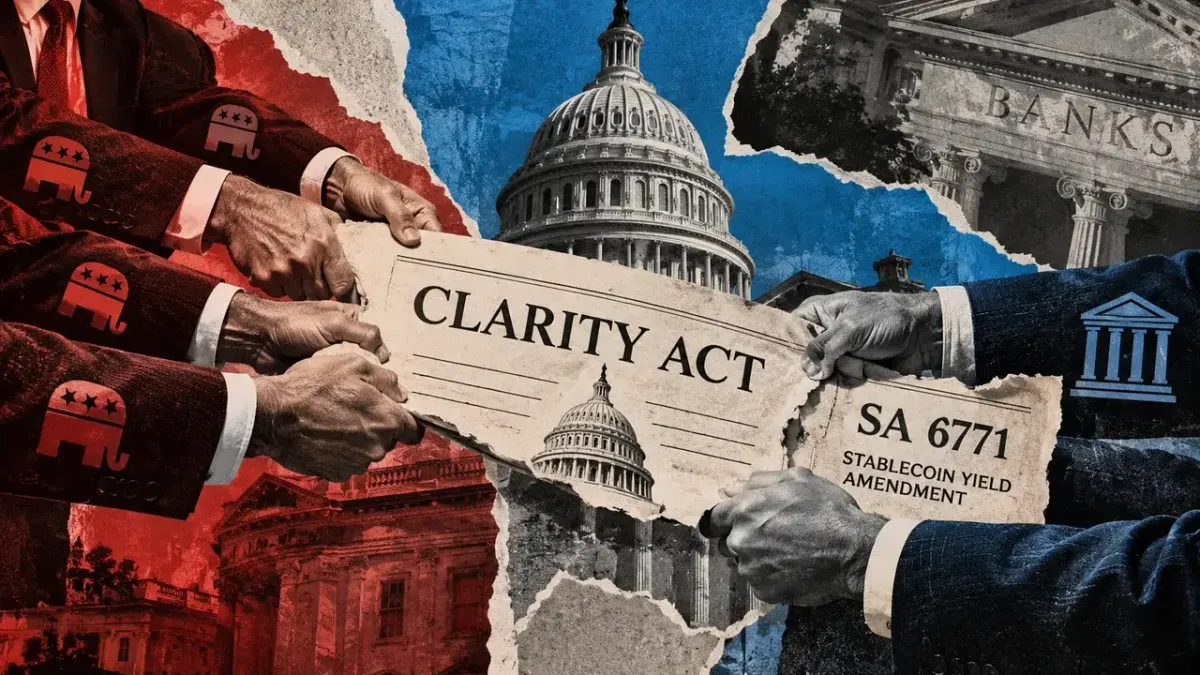
Four GOP senators backing CLARITY Act seek changes to stablecoin provisions
US investigates Binance for potential Iran-linked trading violations
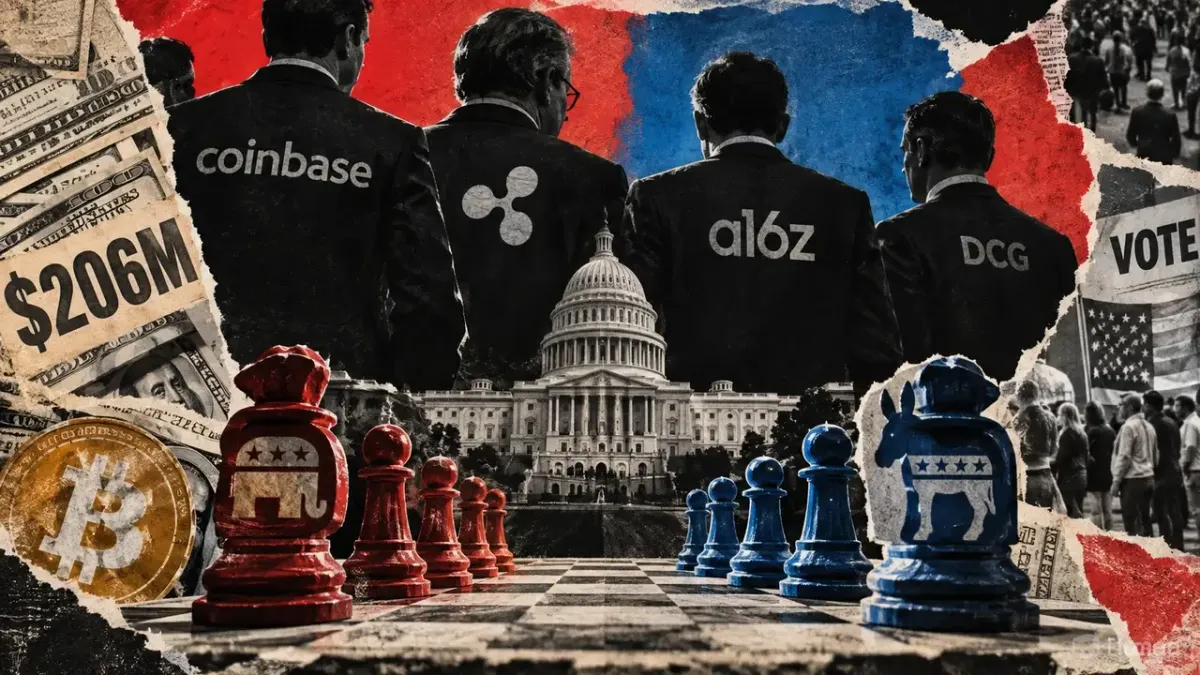
Crypto sector emerges as top donor with $206 million in midterms backing
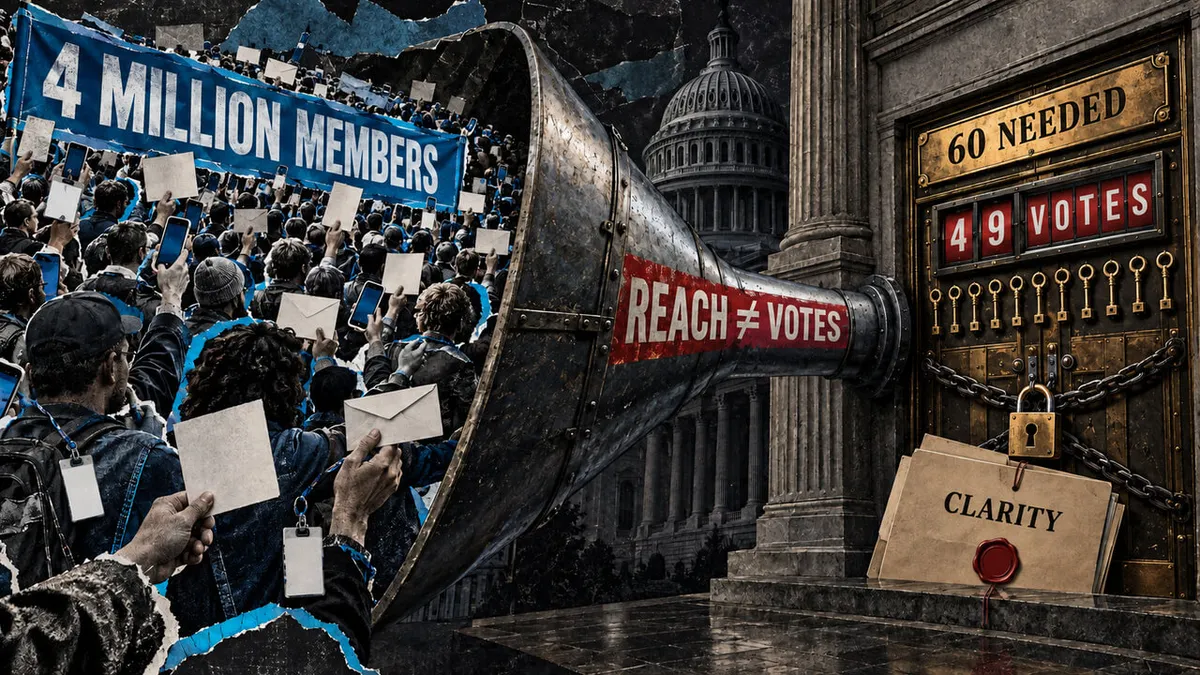
Stand With Crypto’s 4 million registered advocates couldn’t get the CLARITY Act through the Senate