Bitcoin Firm Nakamoto's Stock Hits New Low After Posting $239M Loss, Selling More BTC

Shares in Bitcoin treasury firm Nakamoto have reached a new all-time low following the company's announcement of a staggering $239 million loss for the first quarter. This downturn was further compounded by the firm’s decision to sell additional Bitcoin as part of its financial strategy. The combination of poor financial performance and asset liquidation has raised eyebrows among investors and analysts alike, signaling potential concerns about Nakamoto's long-term viability and strategy in a highly volatile market.
To understand the significance of this development, it is essential to consider the broader context of Nakamoto’s operations. As a firm heavily invested in Bitcoin, Nakamoto's financial health is closely tied to the performance of the cryptocurrency market. The loss reported marks a substantial setback for the company, especially given the heightened interest and investment in Bitcoin over the past year. Historically, firms that have heavily leveraged their balance sheets with Bitcoin have faced challenges during market downturns, making Nakamoto's current situation a noteworthy case study in risk management and corporate strategy.
The implications of Nakamoto’s losses and stock performance extend beyond the firm itself, potentially affecting market sentiment toward Bitcoin and similar treasury firms. When a prominent player in the crypto space struggles, it can lead to increased caution among investors, impacting trading volumes and prices across the board. Additionally, such developments may prompt regulatory scrutiny and influence broader market trends, as stakeholders reassess the risks associated with cryptocurrency investments, especially for firms that rely heavily on Bitcoin as a core asset.
Industry reactions have been mixed, with some experts expressing concern over Nakamoto's approach to managing its Bitcoin reserves. Analysts have pointed out the risks associated with selling Bitcoin during a downturn, suggesting that it may be more prudent to hold assets in anticipation of potential market recovery. Others believe that the transparency of Nakamoto's financial difficulties could ultimately strengthen investor confidence in the long run, as it illustrates a commitment to accountability. The varying perspectives highlight the complexities of navigating the crypto market, where rapid fluctuations can lead to disparate strategies and outcomes.
Looking ahead, the future for Nakamoto will largely depend on its ability to recover from this setback and adapt to the evolving market landscape. The firm may need to reassess its investment strategies and consider diversifying its assets to mitigate risks associated with Bitcoin volatility. As the cryptocurrency ecosystem continues to mature, firms like Nakamoto will need to demonstrate resilience and innovation to regain investor trust and navigate the challenges ahead in an increasingly competitive space.

CoinMagnetic Team
Crypto investors since 2017. We trade with our own money and test every exchange ourselves.
Updated: May 2026
From our insights:
Related news

SoFi begins stablecoin settlement on Mastercard network for program expected to exceed $25 billion in annualized volume

A $3.2 million 'bitcoin butterfly' option trade bets on $95,000 by the end of October

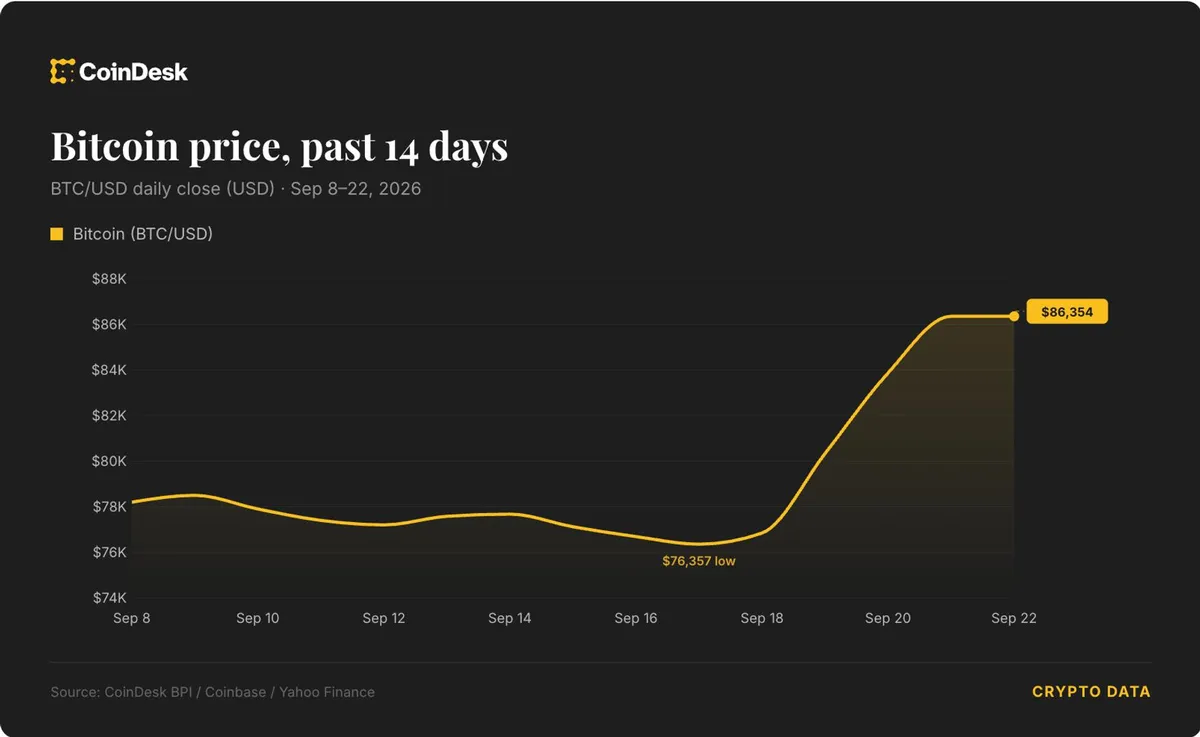
Bitcoin surges past $86,000 as $1 billion in shorts are liquidated, eyes on $90,000
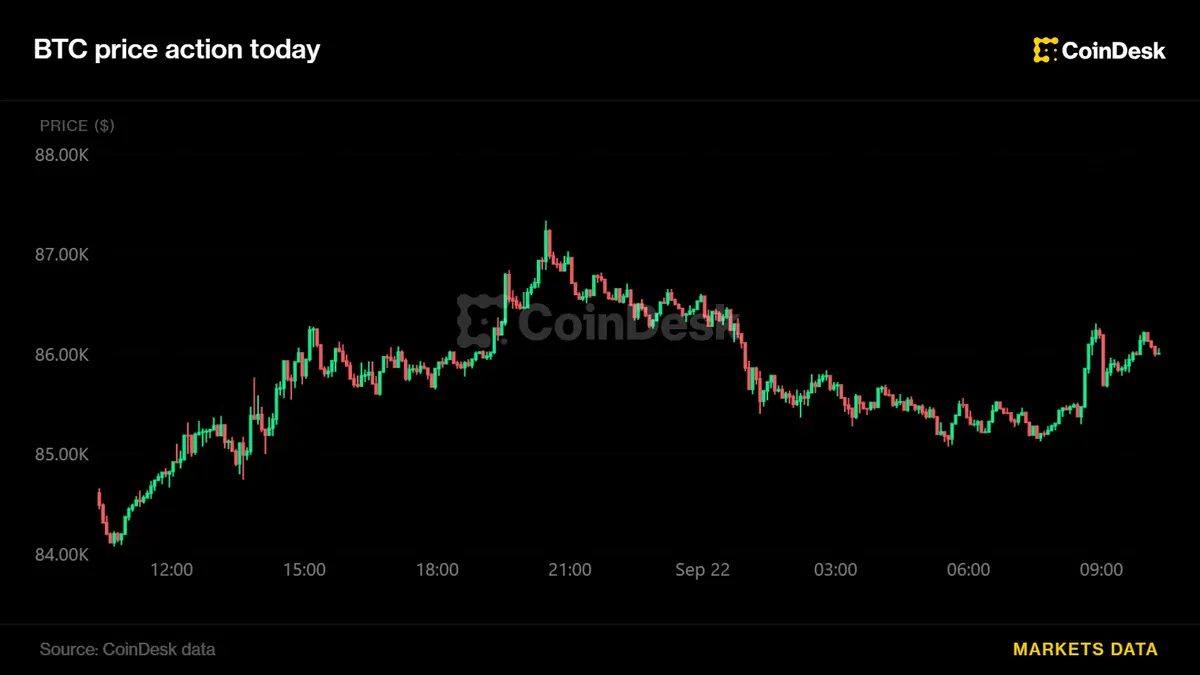
Bitcoin bounces back to $86,000 as oil prices decline and stocks rise

Prediction markets projected to reach $10 trillion by 2035, surpassing sports