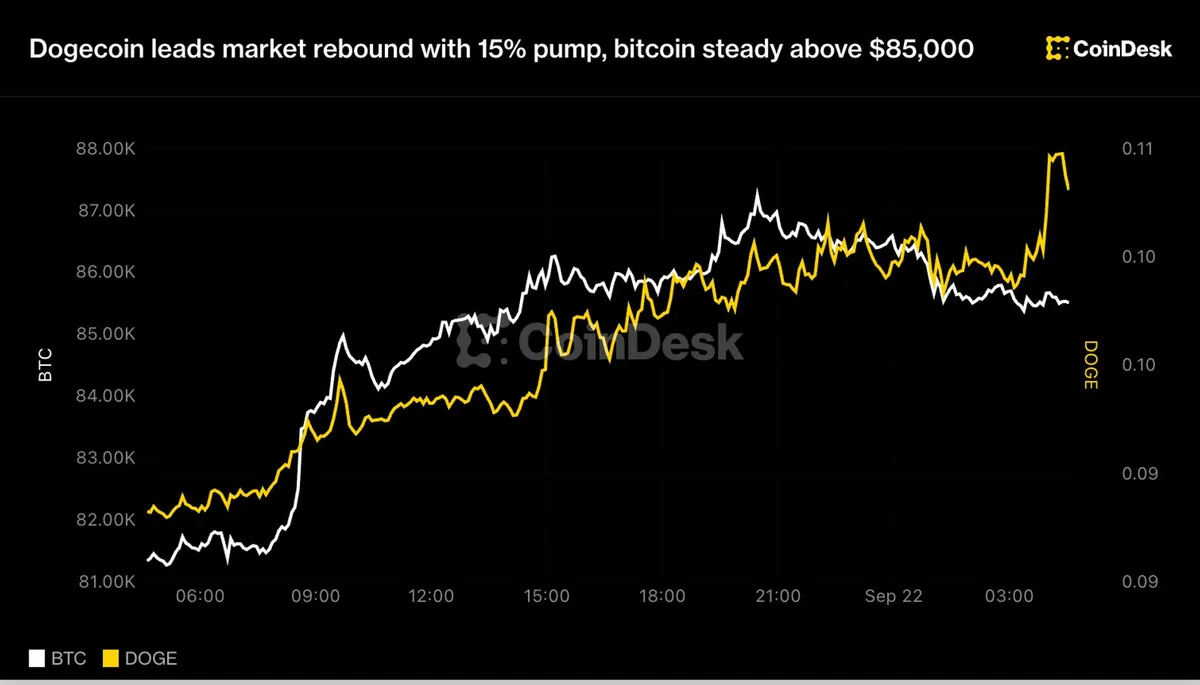
Bitcoin falls further as BTC miners pivot to AI, pro-crypto legislation stalls

Bitcoin has continued to struggle in the market, with its performance lagging behind that of traditional stocks. Recent reports indicate that a number of Bitcoin miners are shifting their focus towards artificial intelligence (AI) technologies, reflecting a significant pivot in strategy amid Bitcoin's declining prices and market uncertainty. This shift comes as pro-crypto legislation in the United States remains stalled, creating a challenging environment for BTC miners and investors alike. As Bitcoin's price continues to dip, the implications of these changes are becoming increasingly apparent.
The backdrop to this situation includes a broader trend of regulatory uncertainty in the U.S. that has affected the cryptocurrency landscape. While there have been discussions around potential pro-crypto legislation aimed at fostering innovation and investment in the sector, progress has been slow. This lack of clarity has left many miners and investors hesitant, prompting some to explore alternative revenue streams, such as AI. The shift towards AI is not just a response to market pressures but also indicative of the evolving landscape where technology and data solutions are becoming increasingly critical.
This move by Bitcoin miners to engage in AI signifies a growing trend of diversification within the cryptocurrency space. As traditional profit margins for mining become tighter due to fluctuating Bitcoin prices and rising operational costs, miners are looking for new avenues for revenue generation. The integration of AI can offer efficiencies in operations and potentially unlock new business opportunities, but it also reflects a broader concern about Bitcoin's viability as a primary investment. The current state of pro-crypto legislation stalling adds another layer of complexity, as it raises questions about the future regulatory environment for cryptocurrencies and how it may impact market confidence.
Industry reactions to these developments have been mixed. Some experts argue that the pivot towards AI could be a smart strategic move for miners, allowing them to stay relevant in a rapidly changing technological landscape. Others, however, express concern that this shift indicates a fundamental weakness in Bitcoin's current market position and the need for miners to seek alternatives outside of traditional mining. The lack of supportive regulatory frameworks is a common theme among industry voices, who emphasize the importance of clear regulations to foster growth and innovation in the cryptocurrency sector.
Looking ahead, the future of Bitcoin and its miners will largely depend on how the regulatory landscape evolves in the coming months. If pro-crypto legislation can gain traction, it may provide the much-needed support for Bitcoin's recovery and bolster confidence among miners and investors. Conversely, if the current trend continues without legislative support, we may see more miners exploring alternative technologies like AI, potentially reshaping the dynamics of the cryptocurrency market. The coming weeks will be critical in determining whether Bitcoin can regain its footing or if it will continue to be overshadowed by other technological advancements.

CoinMagnetic Team
Crypto investors since 2017. We trade with our own money and test every exchange ourselves.
Updated: May 2026
From our insights:
Related news
Iran hints at reopening Strait of Hormuz, WTI oil drops to $89

New altseason signal emerges as Bitcoin market cap stays under 60%

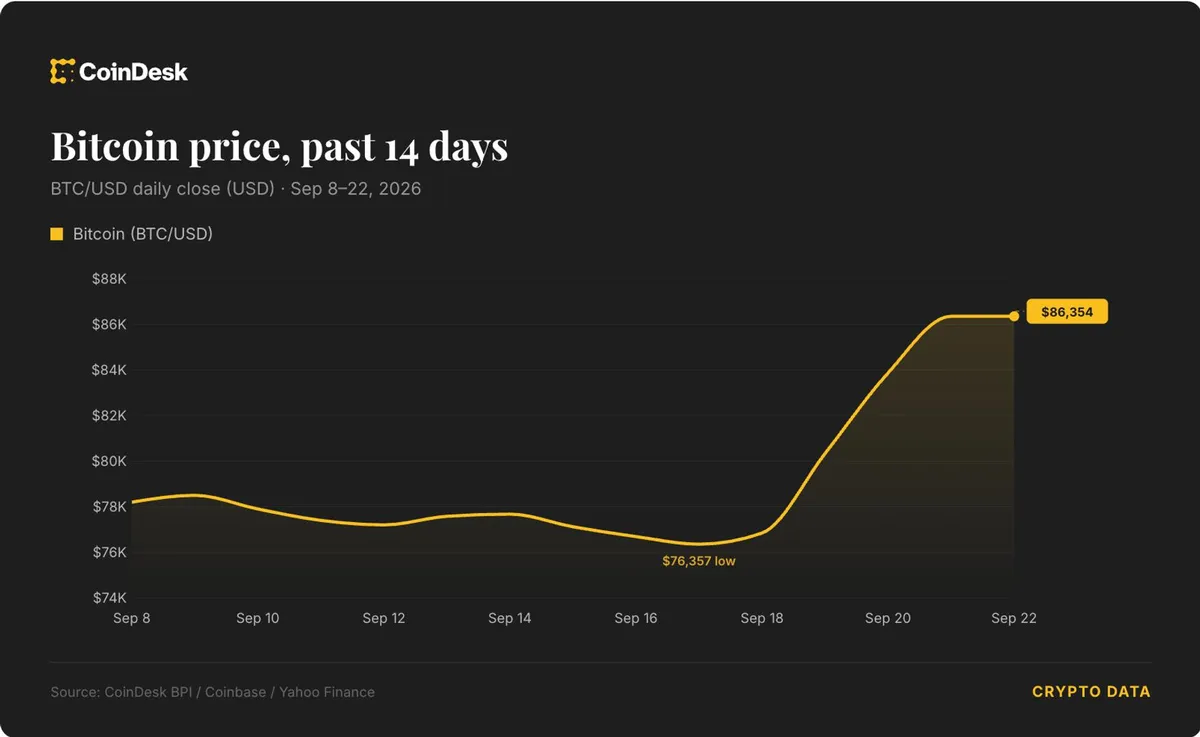
Bitcoin nears $86,000 as crypto market cap surpasses $3 trillion

Bitcoin's weekly close above $81,000 signals potential rise to $90,000

Elon Musk's X integrates bitcoin trading options for U.S. users