Bitcoin faces one of its biggest mining difficulty drops as miner margins collapse
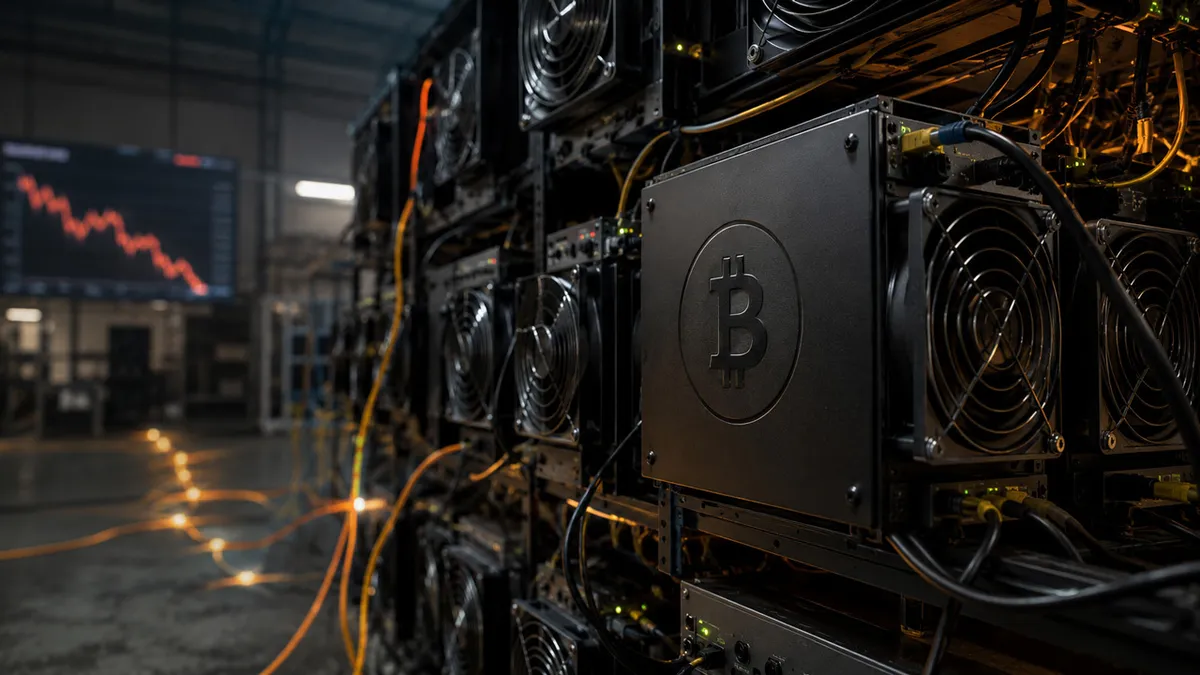
This weekend, the Bitcoin network is set to implement one of its most significant downward adjustments to mining difficulty in its 17-year history. Scheduled for June 13 at block height 953,568, this recalibration is a direct response to the ongoing financial strain on miners, many of whom are grappling with severely compressed margins. As operational costs continue to soar and Bitcoin prices remain relatively low, numerous mining operators are being forced to take their hardware offline to maintain economic viability. This impending adjustment underscores the broader challenges facing the mining sector, as the profitability of mining operations comes under increasing pressure.
The context behind this drastic adjustment lies in the ongoing fluctuations within the cryptocurrency market, particularly the volatility of Bitcoin prices, which have remained subdued in recent months. Additionally, the rising costs of electricity and hardware, exacerbated by global economic factors, have put significant strains on miner profitability. As the network adjusts its difficulty, it reflects the balance between the number of miners actively contributing to the network and the amount of computational power they are able to deploy. Historically, such adjustments have aimed to stabilize the network, but the current trends point towards a more precarious situation for mining operations.
This development is crucial for the cryptocurrency market as it highlights the interconnectedness of miner profitability and Bitcoin's overall health. A significant drop in mining difficulty could potentially lead to lower transaction fees and faster confirmation times, which may attract more users and investors to the Bitcoin network. However, if many miners exit the space due to unsustainable operations, it could lead to a concentration of mining power in the hands of fewer, larger players, raising concerns about decentralization and security within the network.
Industry experts have expressed a mix of concern and cautious optimism regarding this situation. Some analysts believe that the difficulty adjustment could provide temporary relief to struggling miners, allowing them to recover some profitability as the network becomes less competitive. However, others warn that the long-term sustainability of the mining industry is at stake if current trends continue. The sentiment is that while the adjustment may stabilize the network in the short term, it also reflects deeper systemic issues that need to be addressed for the future viability of Bitcoin mining.
Looking ahead, the implications of this difficulty drop could resonate throughout the industry. Miners will need to adapt to the changing landscape, possibly by investing in more efficient technologies or seeking alternative energy sources to lower operational costs. Meanwhile, market participants will be watching closely to see how this adjustment impacts Bitcoin's price and miner behavior in the coming weeks. The outcome could shape the future dynamics of the Bitcoin network and its broader ecosystem as it continues to navigate these challenging conditions.

CoinMagnetic Team
Crypto investors since 2017. We trade with our own money and test every exchange ourselves.
Updated: June 2026
From our insights:
Related news

Power cuts to Bitcoin miners may paradoxically increase energy consumption

Grayscale’s Zcash ETF plans 3-for-1 split after $233 million inflow surge
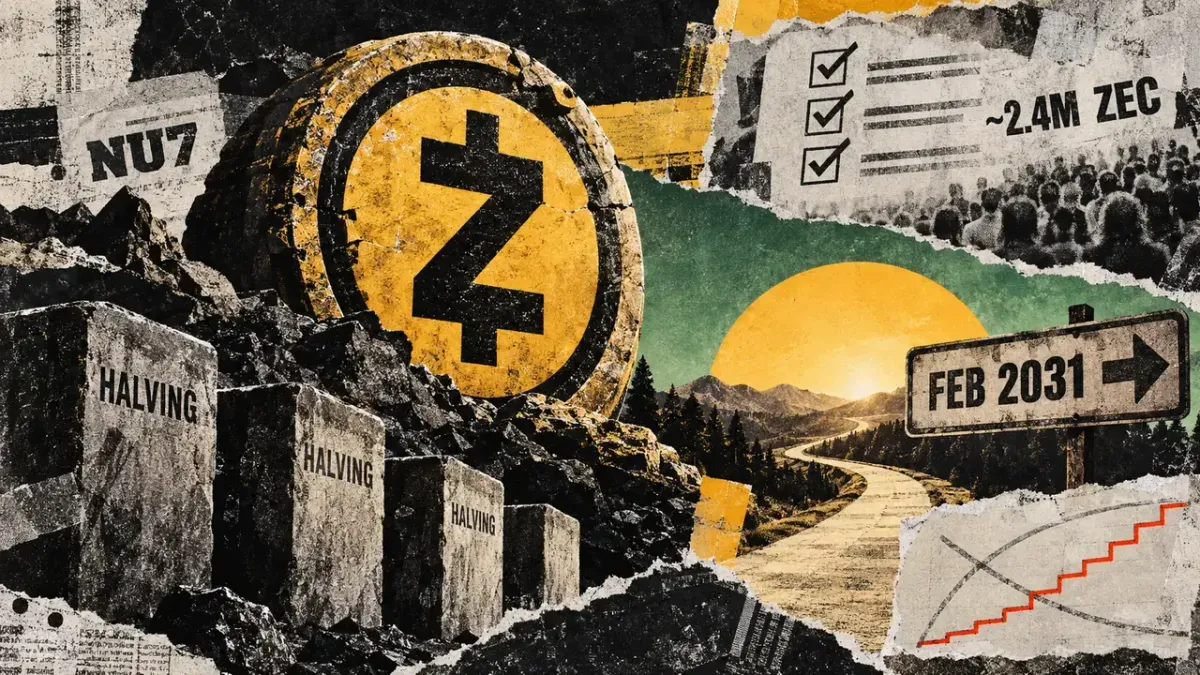
Zcash community votes to maintain halvings while delaying recycled ZEC until 2031
Zcash surges 168% in a month, nearing $1,400 after halving decision

Zcash miner Fortitude names former Hut 8 chief Jaime Leverton CEO ahead of Nasdaq deal
