Bitcoin experts split over plan to freeze Satoshi's 1.1 million bitcoin as quantum threat grows
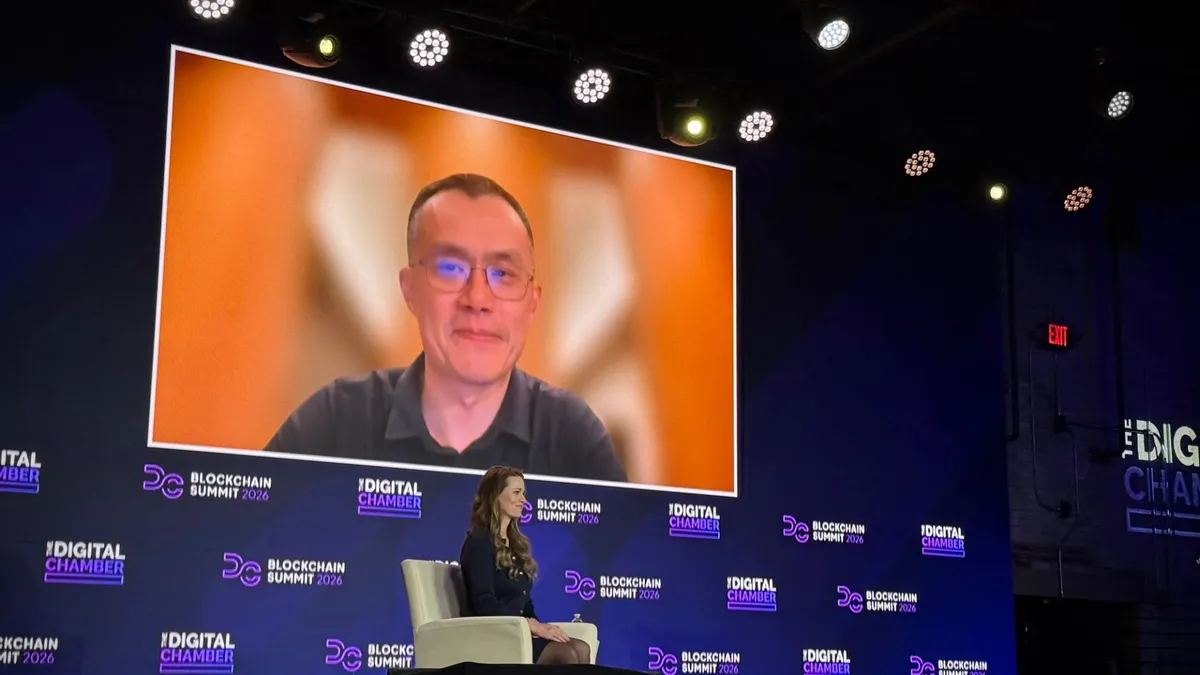
In recent discussions within the cryptocurrency community, a significant divide has emerged over the proposal to freeze the 1.1 million bitcoins believed to be held by Satoshi Nakamoto, the pseudonymous creator of Bitcoin. Changpeng Zhao, the founder of Binance, has voiced strong support for this idea, asserting that the rise of quantum computing poses a substantial threat to the security of cryptocurrencies. Zhao argues that these advanced computational capabilities could potentially enable malicious actors to crack Bitcoin's cryptographic protections, thereby allowing them to access Satoshi's dormant coins. The suggestion to freeze these bitcoins has sparked intense debate, with some experts backing the initiative while others vehemently oppose it.
To understand the implications of this debate, it’s essential to consider the history of Satoshi's bitcoins. Mined in the early days of Bitcoin, these coins have remained untouched since their creation, symbolizing not only the revolutionary nature of the cryptocurrency but also the mystery surrounding its creator. The potential for quantum computers to disrupt the security frameworks of cryptocurrencies is not a new concern; however, as advancements in quantum technology accelerate, the urgency of these discussions has intensified. Proponents of freezing the coins argue that proactive measures are necessary to safeguard the integrity of the entire Bitcoin network.
The ramifications of this debate are significant for the broader cryptocurrency market. A decision to freeze Satoshi's bitcoins could set a precedent for how the industry handles security vulnerabilities in the face of emerging technologies. It raises questions about the governance and custodianship of cryptocurrencies–issues that are central to the decentralized ethos of Bitcoin. If influential figures like Zhao advocate for such drastic measures, it could lead to increased scrutiny and regulatory pressures, potentially destabilizing the market and impacting investor confidence.
Industry reactions have been mixed, with some experts endorsing Zhao’s position while others caution against the implications of freezing Satoshi's bitcoins. Critics argue that such a move could undermine the foundational principles of Bitcoin, suggesting that it might open a Pandora's box of governance issues and ethical dilemmas. Others emphasize that rather than freezing assets, the focus should be on enhancing the security measures of existing cryptographic protocols to withstand quantum threats. This divergence of opinion highlights the complexity of navigating technological advancements while maintaining the core ideals of decentralization and trustlessness that define the cryptocurrency landscape.
Looking ahead, the conversation surrounding Satoshi's bitcoins and quantum computing is unlikely to dissipate any time soon. As quantum technology continues to develop, the industry will need to adapt and find solutions that balance innovation with security. This ongoing dialogue may lead to new frameworks or protocols that address these challenges, ensuring the longevity and resilience of cryptocurrencies. For now, the split among experts signifies a crucial moment for Bitcoin’s future and the broader implications for the entire crypto ecosystem.

CoinMagnetic Team
Crypto investors since 2017. We trade with our own money and test every exchange ourselves.
Updated: July 2026
From our insights:
Related news
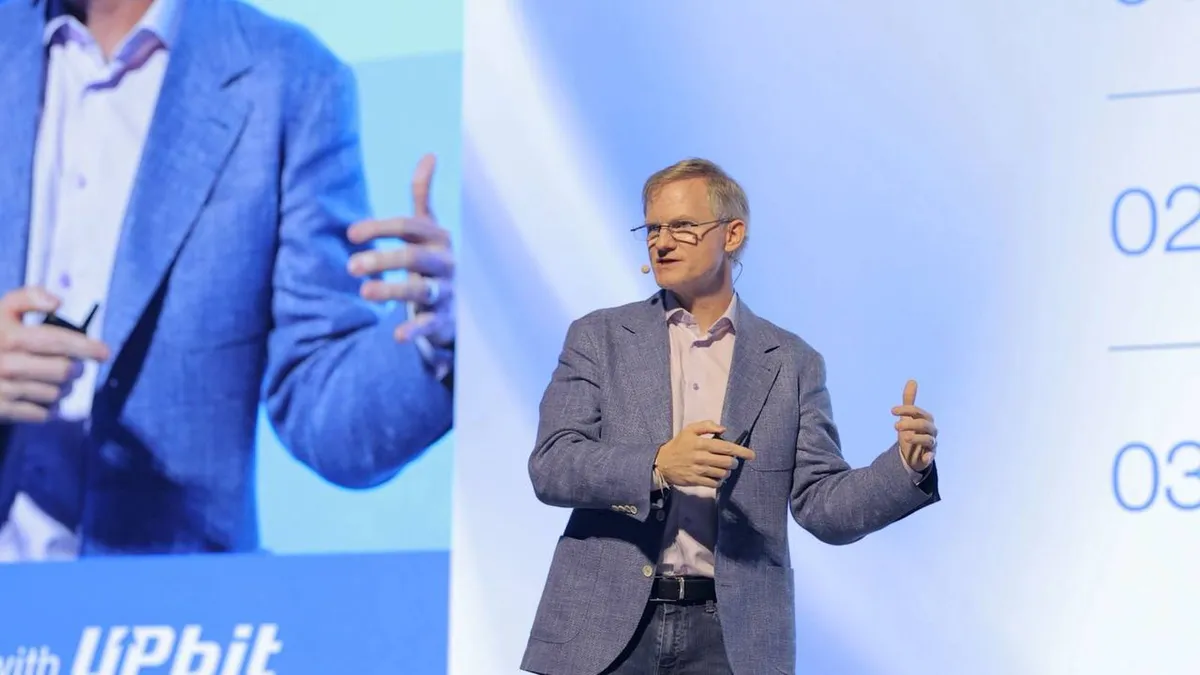
BitGo CEO warns Clarity's collapse poses systemic risks akin to Lehman Brothers

Coinbase's transition from Deribit ends International Exchange trading access
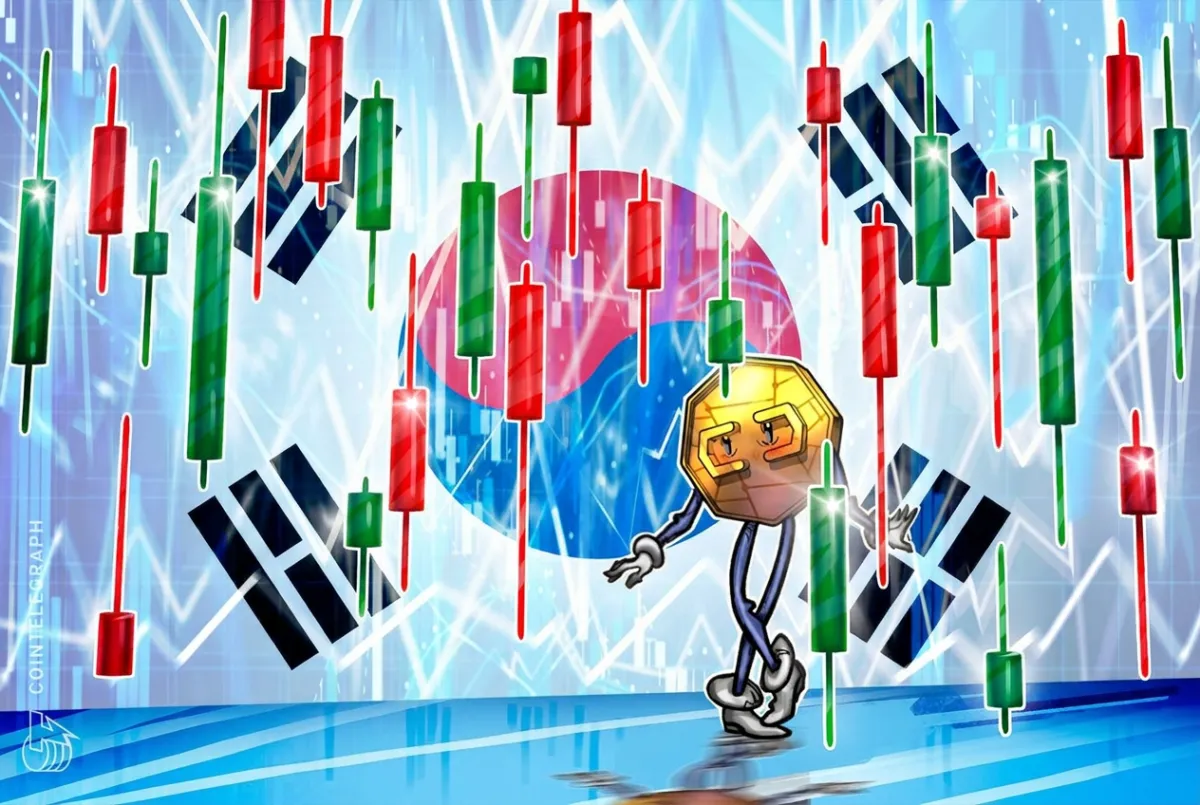
South Korean crypto exchanges see 78% profit drop in H1 2026 due to trading slump
EU regulators investigate Binance’s service to users after MiCA registration loss

Japan's largest payment network now accepts crypto through Binance Pay