Bitcoin, Ethereum Resume Rebound as Inflation Hits 3-Year High

Bitcoin and Ethereum have resumed their upward trajectories as recent inflation data has reached a three-year high, indicating economic pressures that could influence monetary policy. Markets reacted positively to the news, with both leading cryptocurrencies gaining traction after a period of volatility. This resurgence signifies a renewed investor confidence in digital assets amidst the ongoing economic challenges, as traders assess the implications of rising inflation on the broader financial landscape.
Inflation has been a central concern for policymakers and investors alike, especially as central banks navigate the delicate balance of fostering economic growth while managing price stability. The latest figures suggest that inflationary pressures are not abating, prompting speculation about potential adjustments to interest rates and monetary policy. Historically, cryptocurrencies like Bitcoin and Ethereum have been viewed as hedges against inflation, making their recent price movements particularly noteworthy in this context.
The impact of rising inflation on the crypto market cannot be understated. As traditional assets face uncertainty, many investors are turning to digital currencies as alternative stores of value. This shift is often driven by the perception that cryptocurrencies may offer a safeguard against currency devaluation. The latest inflation data could reinforce this trend, leading to increased demand for Bitcoin and Ethereum, which have already established themselves as key players in the digital asset space.
Industry experts have weighed in on the recent developments, emphasizing the potential for a sustained rebound in the cryptocurrency markets. Analysts suggest that if inflation continues to rise, it could lead to further interest in cryptocurrencies as an alternative investment. Additionally, some market participants see the current environment as a potential catalyst for institutional adoption, as larger investors may seek to diversify their portfolios in response to changing economic conditions.
Looking ahead, the trajectory of Bitcoin and Ethereum will likely depend on upcoming economic indicators and central bank responses to inflation. Investors will be closely monitoring monetary policy announcements to gauge how they might impact the crypto landscape. As the situation evolves, it remains to be seen how effectively digital currencies can maintain their momentum in the face of macroeconomic challenges, but the current rebound certainly signals a robust interest in the potential of cryptocurrencies as a viable asset class.

CoinMagnetic Team
Crypto investors since 2017. We trade with our own money and test every exchange ourselves.
Updated: June 2026
From our insights:
Related news
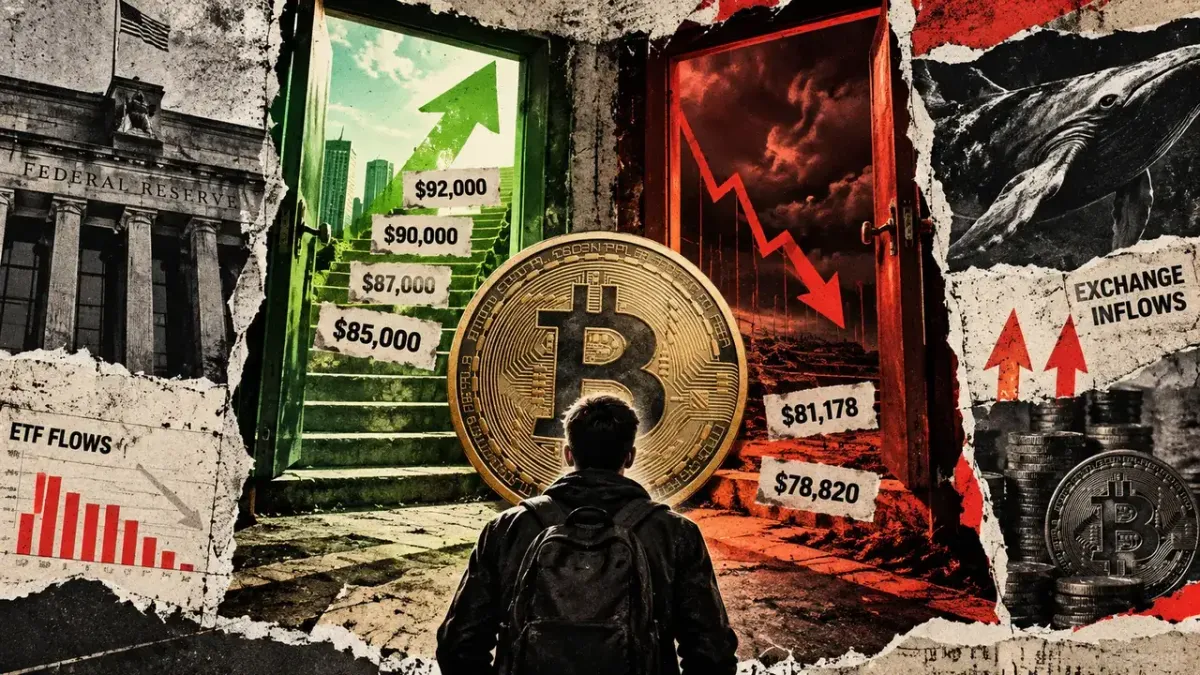
Bitcoin's weekly close above $81,000 signals potential rise to $90,000

Elon Musk's X integrates bitcoin trading options for U.S. users
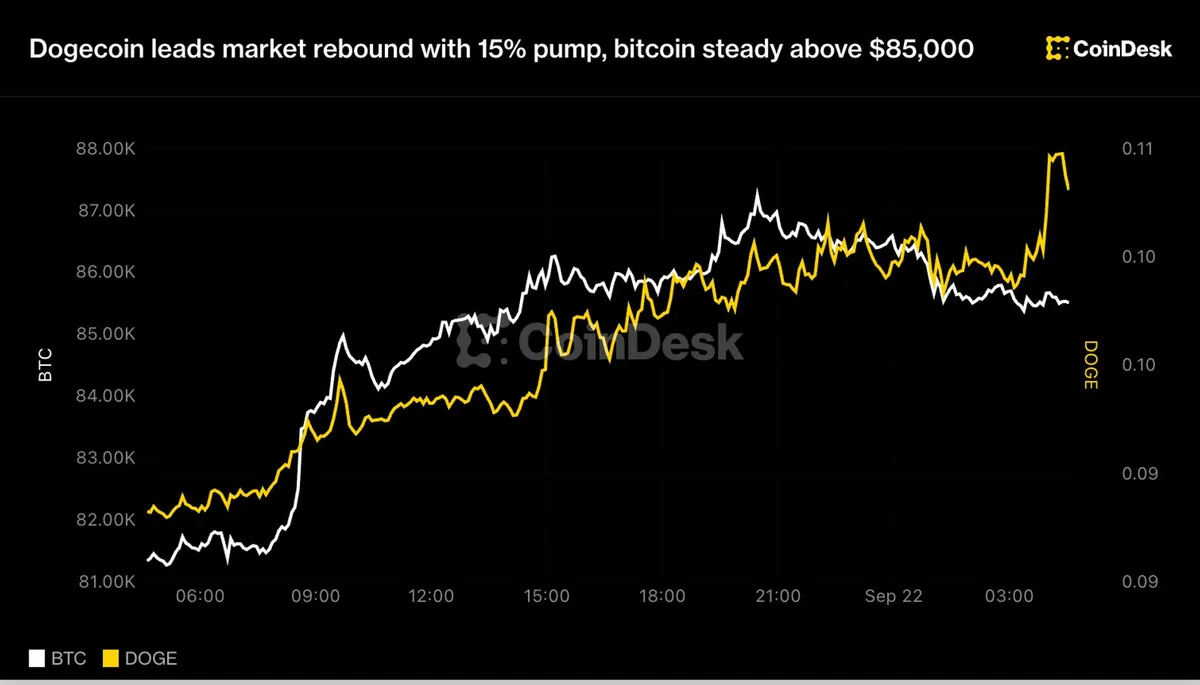
Dogecoin's 15% surge drives market recovery as bitcoin stabilizes above $85,000

Cardano adds tools for AI agent payments, joining Solana and XRP Ledger

Trueo prediction market moves from Base to Ethereum