Bitcoin ETFs could mirror gold’s history of ‘spectacular gains’ and ‘painful drawdowns,’ analyst says

In a recent analysis, Bloomberg ETF analyst Eric Balchunas drew intriguing parallels between the trajectory of Bitcoin ETFs and the historical performance of gold ETFs, particularly the SPDR Gold Shares (GLD). Balchunas pointed out that Bitcoin’s first exchange-traded fund, IBIT, recently surpassed the $100 billion mark in assets, echoing a similar spike seen in GLD back in 2011. However, this rapid ascent is often followed by significant volatility, with Balchunas warning that the market could face both "spectacular gains" and "painful drawdowns" as investor sentiment fluctuates.
To provide context, the rise of gold ETFs marked a pivotal moment in how investors interacted with precious metals, allowing more accessible and efficient investment options. The GLD fund, launched in 2004, saw a meteoric rise in 2011 when gold prices peaked, driven by economic uncertainty and inflation concerns. However, this surge was followed by a prolonged downturn, illustrating the cyclical nature of commodity investments. Balchunas suggests that Bitcoin could follow a similar path, where initial enthusiasm fuels rapid growth, only to be met with corrections as market realities settle in.
This comparison matters significantly for the cryptocurrency market, particularly for Bitcoin, which has long been viewed as a digital counterpart to gold. The burgeoning interest in Bitcoin ETFs may attract both institutional and retail investors, potentially leading to increased liquidity and market stability. However, the volatility associated with Bitcoin could mirror that of gold, presenting both opportunities for profit and risks of substantial losses. For investors, understanding these dynamics could be crucial in navigating the evolving landscape of Bitcoin investments.
Industry reactions to Balchunas’ analysis have been mixed, with some experts agreeing on the potential for high volatility while others remain optimistic about Bitcoin's long-term viability as an asset class. Many analysts believe that, unlike gold, Bitcoin’s fundamentals–such as its scarcity and decentralized nature–could provide a buffer against severe downturns. However, the psychological impact of market corrections cannot be overlooked, as investor behavior often swings dramatically in response to price changes.
Looking ahead, the Bitcoin ETF landscape is poised for further developments as more products enter the market and regulatory frameworks evolve. Balchunas’ insights serve as a cautionary note for investors, reminding them of the historical patterns that could repeat. As Bitcoin continues to gain traction, understanding the lessons learned from gold’s past may be essential for navigating what lies ahead in this dynamic investment arena.

CoinMagnetic Team
Crypto investors since 2017. We trade with our own money and test every exchange ourselves.
Updated: July 2026
From our insights:
Related news

Nasdaq-listed Tron launches $200 million ATM offering to expand TRX holdings

Bitcoin ETFs log $261 million in redemptions while XRP products defy weekly outflows
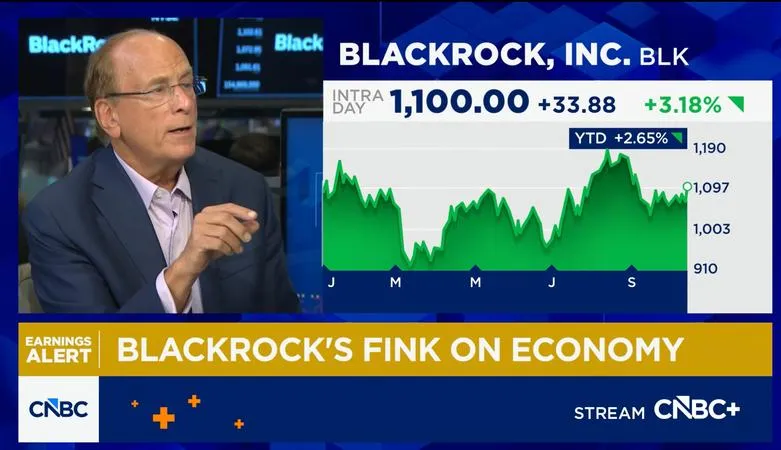
BlackRock CEO warns data center halts could trigger a U.S. recession amid debt fears

VanEck drops bid for Lido staked Ether ETF after filing in October

BlackRock crypto ETF assets climb to $79.6 billion following investor inflows