Bitcoin ETF inflows surge after Coldcard hack, but link is unclear: Bloomberg analyst
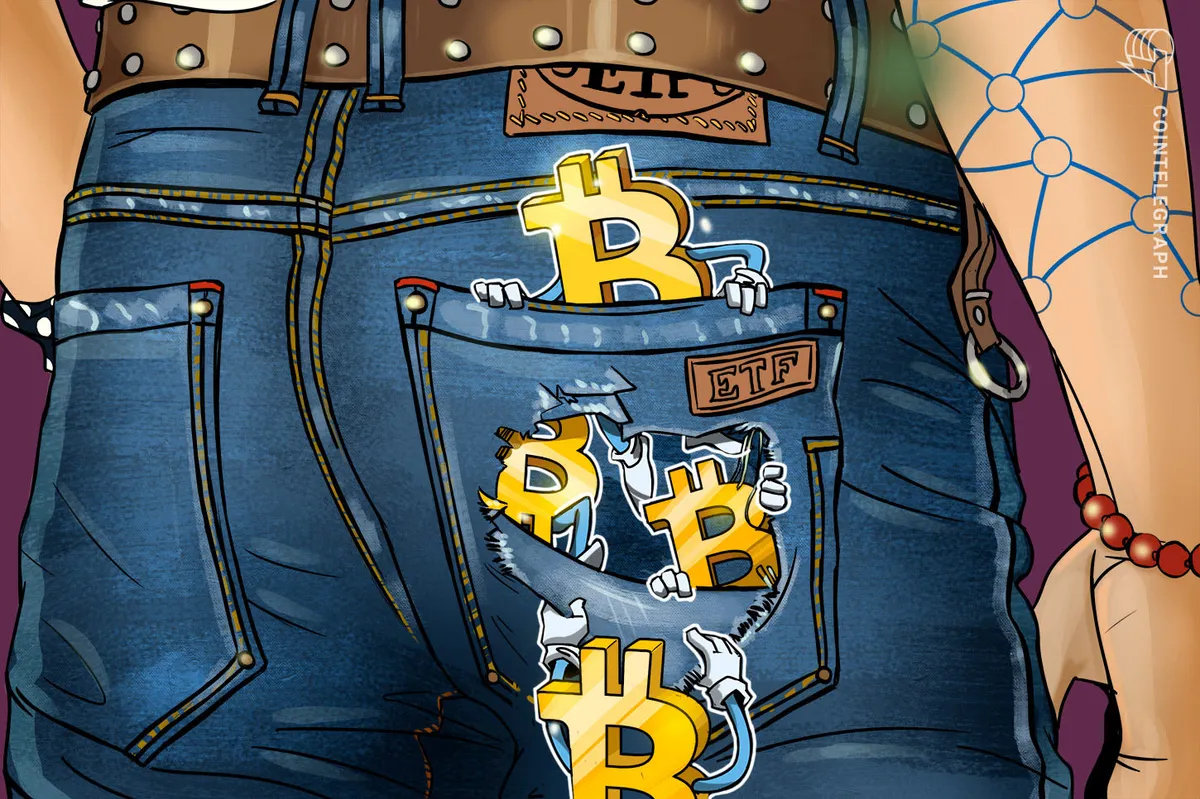
In a recent analysis, it has been noted that US spot Bitcoin exchange-traded funds (ETFs) have experienced a significant influx of funds over the past week. This surge coincides with the recent Coldcard wallet exploit, which has left many in the crypto community questioning whether this incident is prompting a shift in investor behavior, particularly regarding self-custody practices. The correlation between the two events has sparked discussions about the security measures and preferences of Bitcoin investors in light of recent vulnerabilities.
Historically, self-custody has been a cornerstone of the cryptocurrency ethos, allowing individuals to have complete control over their assets. However, the Coldcard hack, which compromised the security of a popular hardware wallet, has raised concerns about the safety of self-custody solutions. This incident has led to increased scrutiny of personal security measures and has potentially influenced investor confidence in managing their Bitcoin independently.
The implications of this trend are significant for the market. A sustained increase in ETF inflows may signal a broader transition towards institutional investment and away from individual self-custody. This could reshape the landscape of Bitcoin ownership, with more investors opting for the security and convenience that ETFs provide, especially during periods of heightened risk. If this trend continues, it could lead to a substantial increase in the market capitalization of Bitcoin ETFs, which would further legitimize these investment vehicles.
Industry reactions have been mixed, with some experts expressing concern about the potential long-term effects of such a shift. While the convenience of ETFs may attract new investors, especially those hesitant about self-custody, others warn that it could lead to a dilution of the original decentralized spirit of Bitcoin. Analysts are closely monitoring the situation, as the balance between security and self-custody versus institutional reliance on ETFs may redefine investor behavior in the cryptocurrency space.
Looking ahead, the market will likely continue to react to developments surrounding both the Coldcard hack and the performance of Bitcoin ETFs. As more investors assess their risk tolerance and security preferences, the dynamics of Bitcoin ownership may evolve further. Understanding these trends will be crucial for stakeholders as they navigate this changing landscape, and it will be interesting to see how the interplay between security concerns and investment preferences shapes the future of Bitcoin.

CoinMagnetic Team
Crypto investors since 2017. We trade with our own money and test every exchange ourselves.
Updated: August 2026
From our insights:
Related news

Polymarket's $10 million fraud attempt highlights compliance issues amid hacking risk
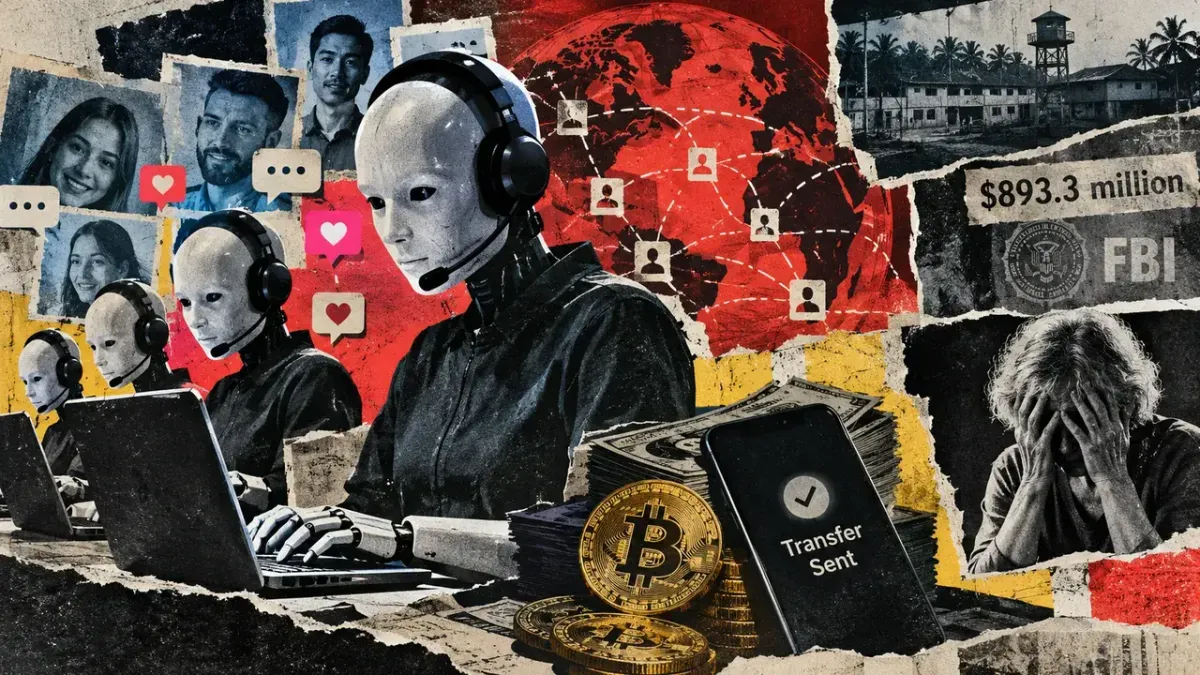
AI enhances capabilities of scammers, raising concerns about fraud

OpenAI accounts breached in 72 hours with Anthropic's Claude assistance

Blockchain malware incidents surge 440% due to AI advancements for hackers

IOG warns Cardano users against YouTube giveaway scam featuring Hoskinson