Bitcoin drops toward $69,000 as Saylor sale spooks investors while AI tokens buck the trend
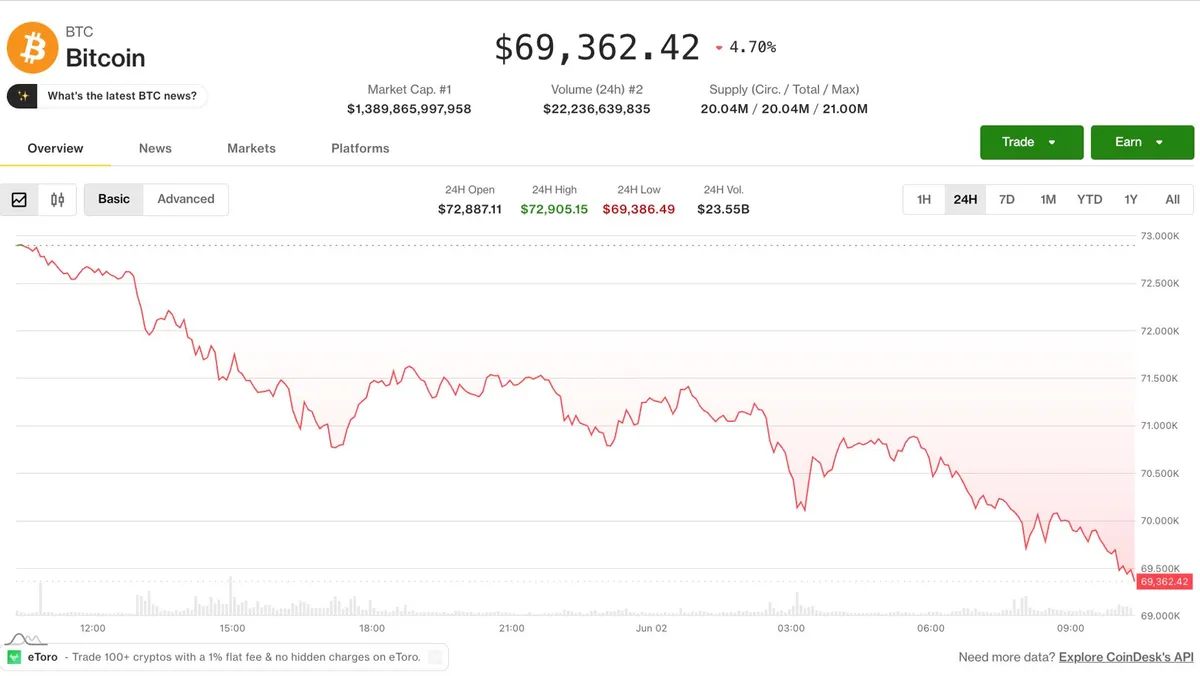
Bitcoin has experienced a notable decline, dropping toward the $69,000 mark, which marks its lowest price since April 7. This recent downturn comes in the wake of a sale by MicroStrategy CEO Michael Saylor, which has spooked investors and led to a shift in market sentiment. The sale appears to have triggered concerns among traders about potential selling pressure and what it could mean for the broader cryptocurrency market. This price movement has not only affected Bitcoin but has also influenced the sentiment surrounding other digital assets, creating a ripple effect across the crypto landscape.
To provide some context, Saylor's MicroStrategy has been a significant player in the Bitcoin acquisition space, amassing a substantial amount of the cryptocurrency over the years. His recent sale comes as a surprise to many, especially given his previous bullish stance on Bitcoin as a long-term store of value. The broader market has been grappling with various uncertainties, including regulatory scrutiny and shifts in investor sentiment, making this development particularly impactful. As Bitcoin's price fluctuates, other sectors within the cryptocurrency space, such as AI tokens and decentralized finance (DeFi), have shown contrasting trends, further complicating the market dynamics.
This price drop is significant for the market as it raises questions about investor confidence and the potential for further declines. Market analysts suggest that Bitcoin's ability to hold above the $69,000 threshold will be crucial for maintaining bullish momentum. The fear generated by Saylor's sale might lead other investors to reconsider their positions, which could exacerbate selling pressure. Additionally, as Bitcoin's dominance in the market fluctuates, the performance of alternative assets, particularly AI tokens like H and NEAR, which have recently surged, indicates a possible shift in investor focus toward these emerging sectors.
Industry reactions have been mixed, with some experts cautioning against overreacting to Saylor's sale, citing that it may not be indicative of a broader trend among institutional investors. Others have pointed out that the surge in AI tokens reflects a growing interest in innovative technologies that could reshape the financial landscape. This divergence in asset performance highlights the evolving nature of the cryptocurrency market, where traditional players like Bitcoin are now contending with the rise of new, potentially disruptive technologies.
Looking ahead, the market will be closely monitoring Bitcoin's price movements and the overall sentiment surrounding it, particularly in light of macroeconomic factors and regulatory developments. Investors will likely keep an eye on whether Bitcoin can stabilize or rebound from this recent downturn. Moreover, as AI tokens continue to gain traction, it will be interesting to see how they influence the broader market dynamics and whether they can attract sustained investment away from more traditional cryptocurrencies like Bitcoin. The coming weeks may prove to be pivotal for both Bitcoin and the innovative sectors emerging within the crypto space.

CoinMagnetic Team
Crypto investors since 2017. We trade with our own money and test every exchange ourselves.
Updated: June 2026
From our insights:
Related news

SoFi begins stablecoin settlement on Mastercard network for program expected to exceed $25 billion in annualized volume
A $3.2 million 'bitcoin butterfly' option trade bets on $95,000 by the end of October

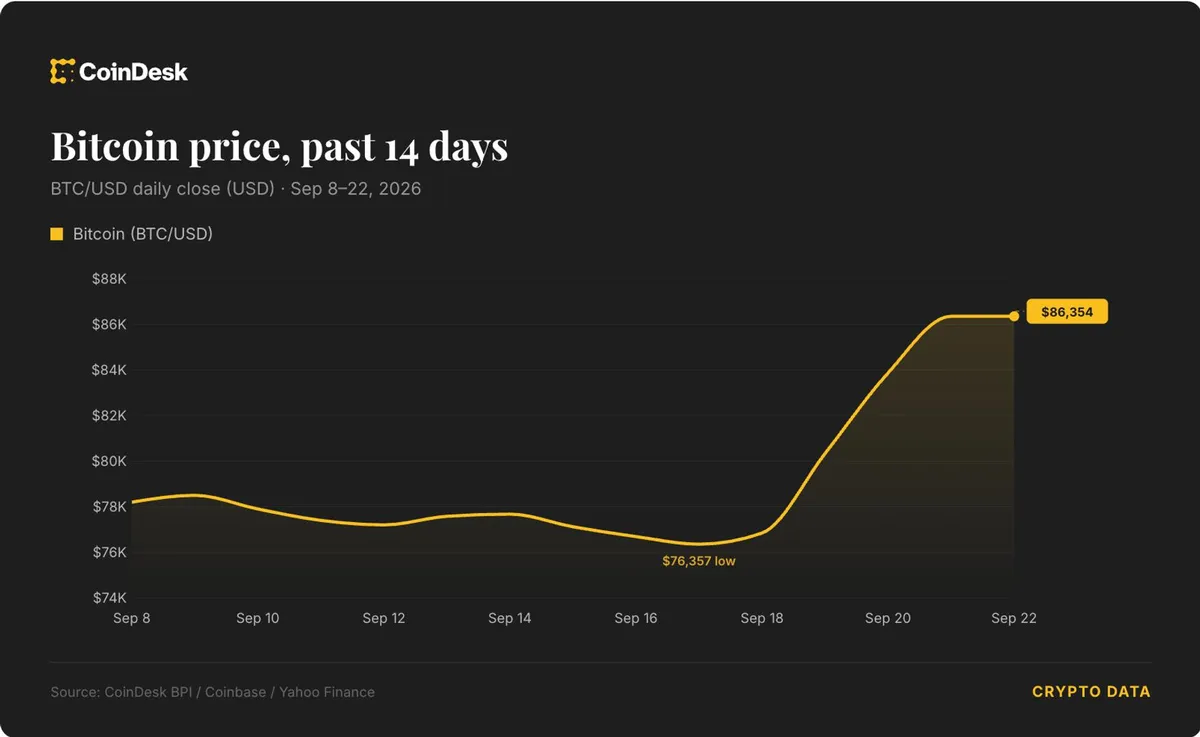
Bitcoin surges past $86,000 as $1 billion in shorts are liquidated, eyes on $90,000
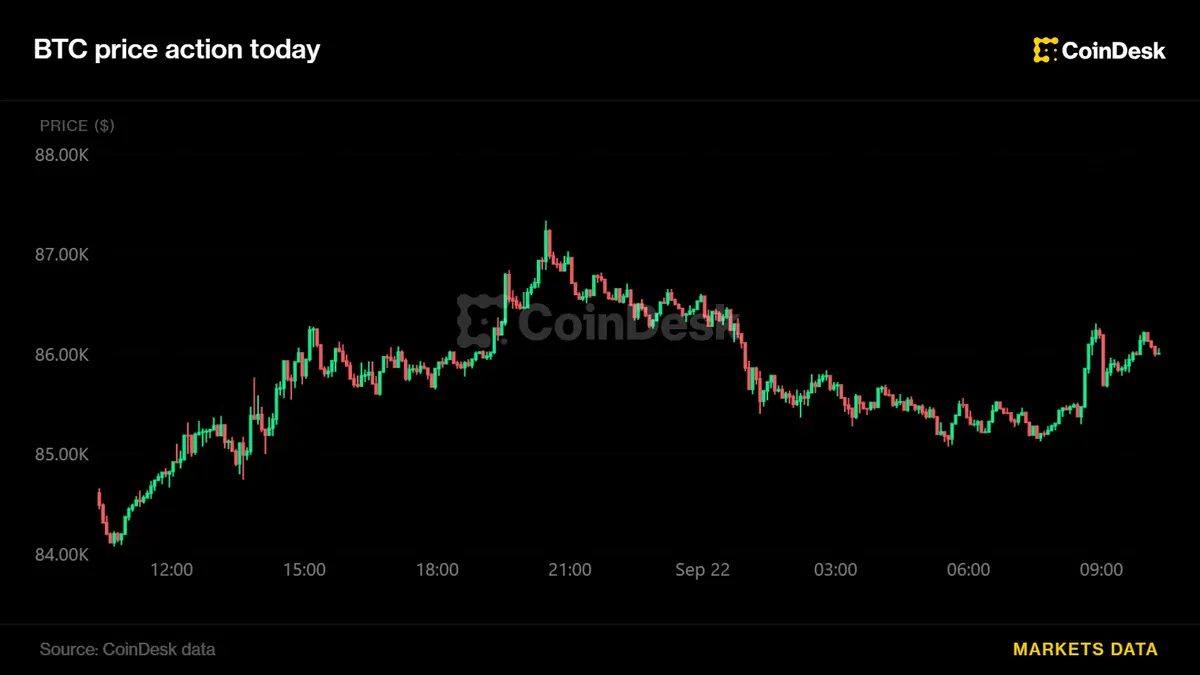
Bitcoin bounces back to $86,000 as oil prices decline and stocks rise

Prediction markets projected to reach $10 trillion by 2035, surpassing sports