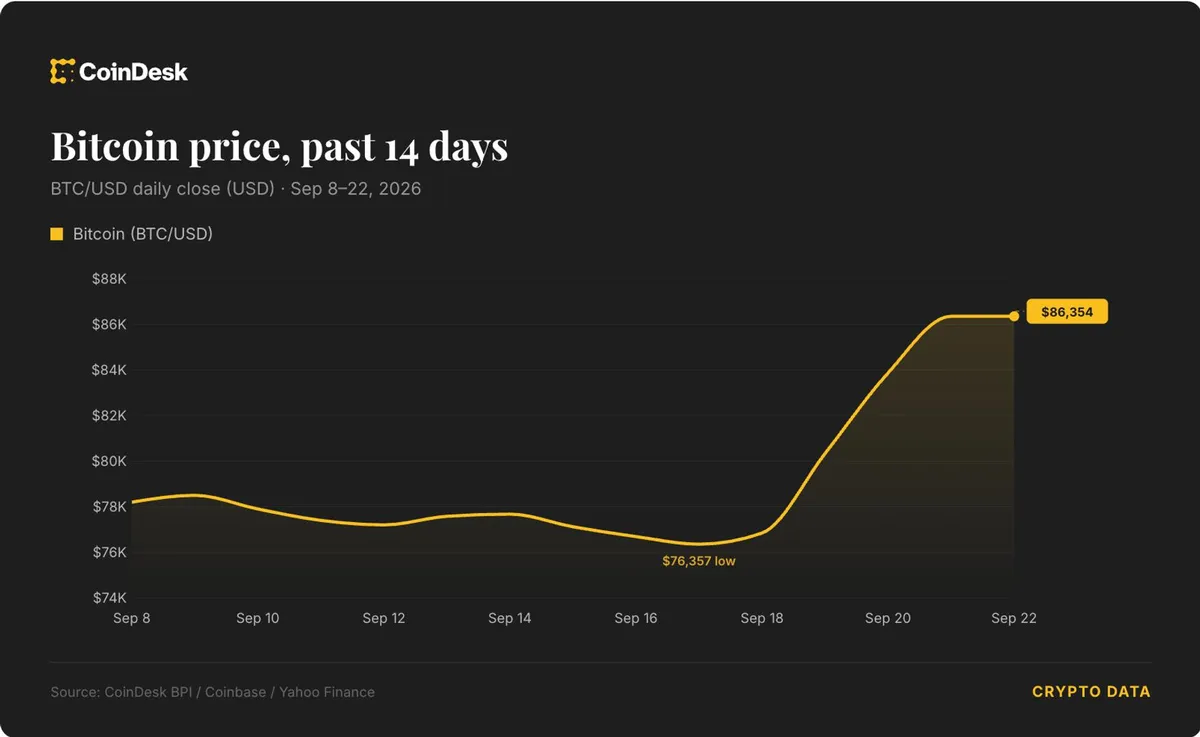
Bitcoin drops below $77,000 on Trump’s Iran threat, renewed inflation fears: analysts

Bitcoin has recently seen a notable decline, dipping below the $77,000 mark amid rising geopolitical tensions and renewed inflation worries. The decline follows remarks from former President Donald Trump, who issued a threat to Iran, leading investors to consider the potential fallout on oil prices. The prospect of escalating tensions in the Middle East is causing anxiety in the markets, as higher oil prices could further fuel inflation–something that has already been a concern for investors and analysts alike.
To understand the current situation, it’s essential to consider the broader economic landscape. Inflation rates have been a hot topic for quite some time, with central banks around the world grappling with the effects of rising prices on everyday goods and services. In the United States, the Federal Reserve has been diligently monitoring these shifts, and any significant bump in oil prices could lead to speculation about the central bank's next moves. Historically, elevated oil prices have been linked to increased inflation, prompting fears that the Fed might need to raise interest rates sooner than anticipated to combat these pressures.
The implications for the cryptocurrency market, particularly Bitcoin, are significant. As a digital asset often viewed as a hedge against inflation, Bitcoin has experienced volatile swings in response to macroeconomic indicators. The recent drop comes as a reminder that Bitcoin, despite its decentralized nature, is not immune to traditional economic forces. If inflation continues to rise and the Fed reacts with interest rate hikes, it could dampen investor sentiment, leading to further sell-offs in the crypto market.
Industry experts have weighed in on this development, noting that while Bitcoin's price drop is concerning, it is not entirely unexpected given the current economic climate. Analysts suggest that the cryptocurrency market might react more sensitively to geopolitical events and macroeconomic conditions. Some market participants remain optimistic, arguing that Bitcoin has historically rebounded from dips and that long-term fundamentals remain strong. However, the prevailing sentiment leans toward caution as investors assess the potential impact of rising oil prices and inflation on their portfolios.
Looking ahead, the next steps for both Bitcoin and the broader market will likely hinge on developments in the geopolitical landscape and any announcements from the Federal Reserve regarding interest rates. Investors will be closely monitoring how these factors play out, as they could significantly influence market dynamics in the coming weeks and months. As the situation evolves, it will be crucial for stakeholders to stay informed and adaptable in this ever-changing landscape.

CoinMagnetic Team
Crypto investors since 2017. We trade with our own money and test every exchange ourselves.
Updated: May 2026
From our insights:
Related news

SoFi begins stablecoin settlement on Mastercard network for program expected to exceed $25 billion in annualized volume
A $3.2 million 'bitcoin butterfly' option trade bets on $95,000 by the end of October
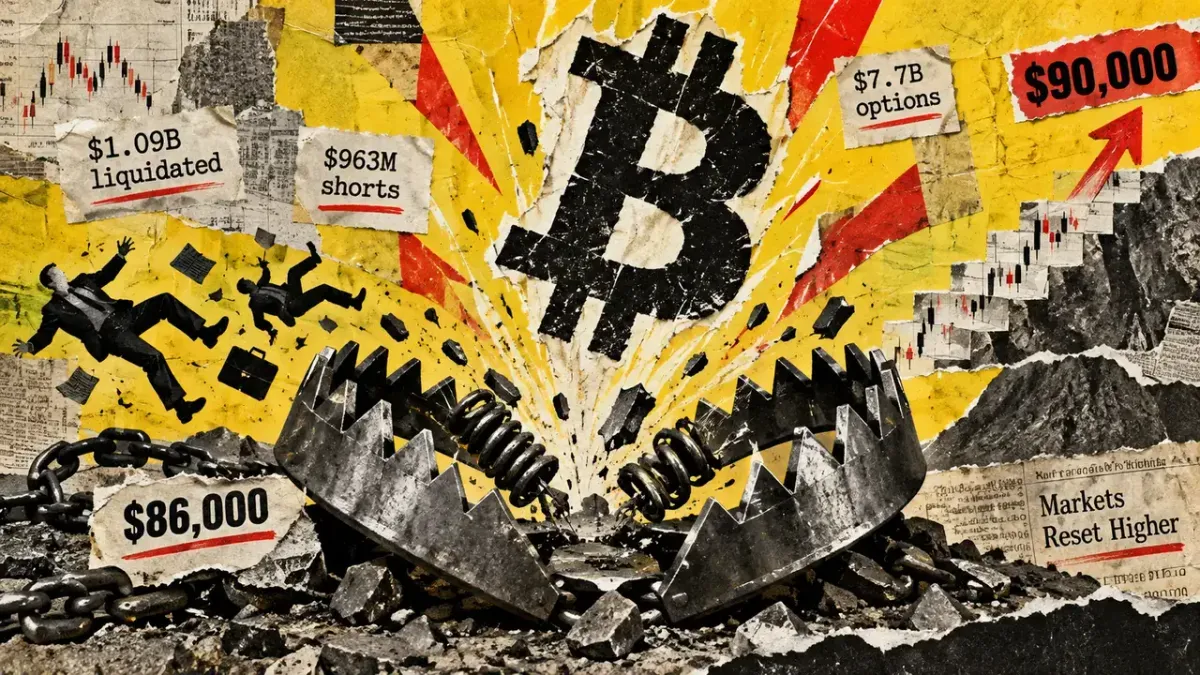
Bitcoin surges past $86,000 as $1 billion in shorts are liquidated, eyes on $90,000
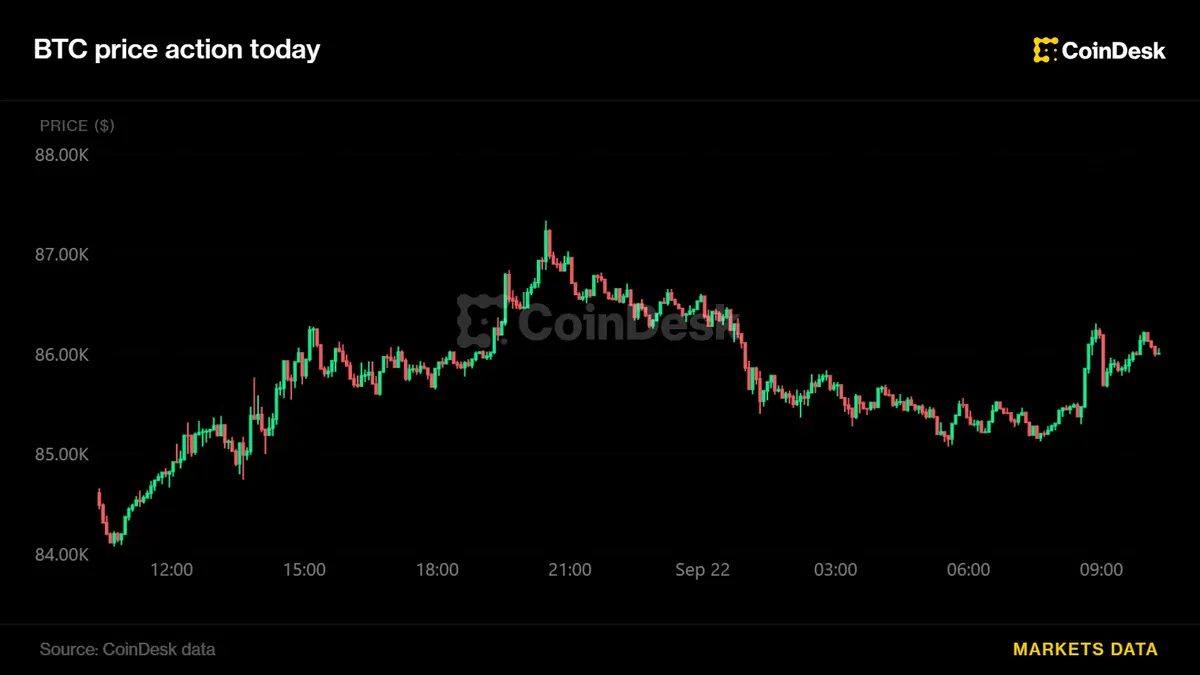
Bitcoin bounces back to $86,000 as oil prices decline and stocks rise

Prediction markets projected to reach $10 trillion by 2035, surpassing sports