Bitcoin DeFi’s demand problem is becoming harder to ignore

The demand problem within Bitcoin’s decentralized finance (DeFi) ecosystem has become increasingly evident, as recent analyses reveal a notable shift in where and how this demand is manifesting. While Bitcoin Layer 2 solutions have demonstrated consistent uptime, robust transaction volumes, and numerous integrations, the underlying demand for Bitcoin-based DeFi products seems to be primarily funneled through wrappers and institutional pathways. This trend suggests that the broader retail engagement with Bitcoin DeFi may not be as strong as anticipated, raising questions about the sustainability and growth potential of these initiatives.
To understand the current situation, it’s essential to consider the evolution of Bitcoin and its capabilities within the DeFi space. Traditionally, Bitcoin has been viewed primarily as a store of value, while Ethereum and other smart contract platforms have led the charge in DeFi innovations. However, recent developments have introduced various Layer 2 solutions, which aim to enhance Bitcoin’s functionality and scalability. Despite these advancements, the uptake among retail users appears limited, prompting discussions about the underlying motivations driving this behavior and the potential risks involved.
This situation is significant for the market as it highlights a potential gap in user engagement that could hinder the growth of Bitcoin DeFi. A lack of robust retail demand might limit the overall market’s liquidity and drive, ultimately affecting the viability of projects aimed at bridging Bitcoin with DeFi applications. If retail users do not actively participate in Bitcoin DeFi, the reliance on institutional players and wrapped versions of Bitcoin could lead to vulnerabilities, particularly during periods of market volatility.
Industry experts have begun to weigh in on this phenomenon, suggesting that the current trajectory may reflect broader hesitancies among retail investors who remain wary of the complexities associated with DeFi. Some analysts argue that the learning curve and perceived risks associated with DeFi products could deter widespread adoption. Meanwhile, others point to the need for more user-friendly interfaces and educational resources to help demystify the offerings available in the Bitcoin DeFi landscape.
Looking ahead, it will be crucial for developers and stakeholders in the Bitcoin ecosystem to address these challenges if they wish to cultivate a more vibrant and inclusive DeFi landscape. Efforts may need to focus on improving user experience, enhancing educational outreach, and fostering community engagement. As the demand problem continues to unfold, the industry will be closely monitoring how these factors influence the future of Bitcoin DeFi and its broader implications for the cryptocurrency market.

CoinMagnetic Team
Crypto investors since 2017. We trade with our own money and test every exchange ourselves.
Updated: June 2026
From our insights:
Related news

Bitcoin's weekly close above $81,000 signals potential rise to $90,000

Elon Musk's X integrates bitcoin trading options for U.S. users
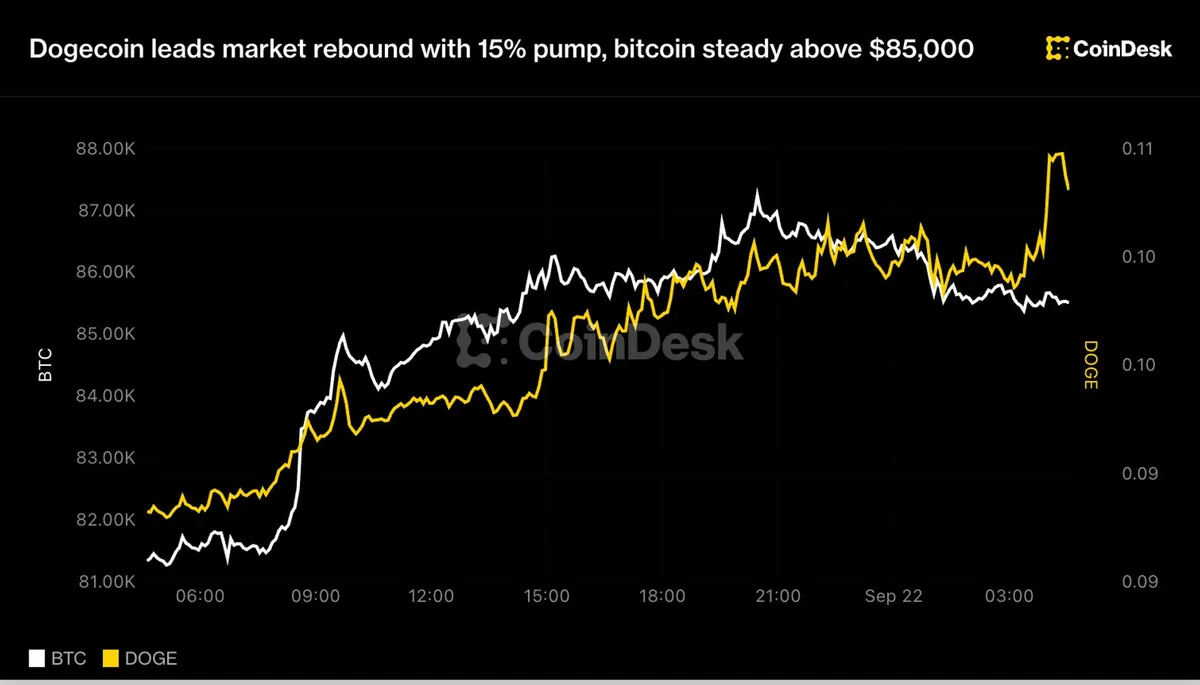
Dogecoin's 15% surge drives market recovery as bitcoin stabilizes above $85,000

Cardano adds tools for AI agent payments, joining Solana and XRP Ledger

Trueo prediction market moves from Base to Ethereum