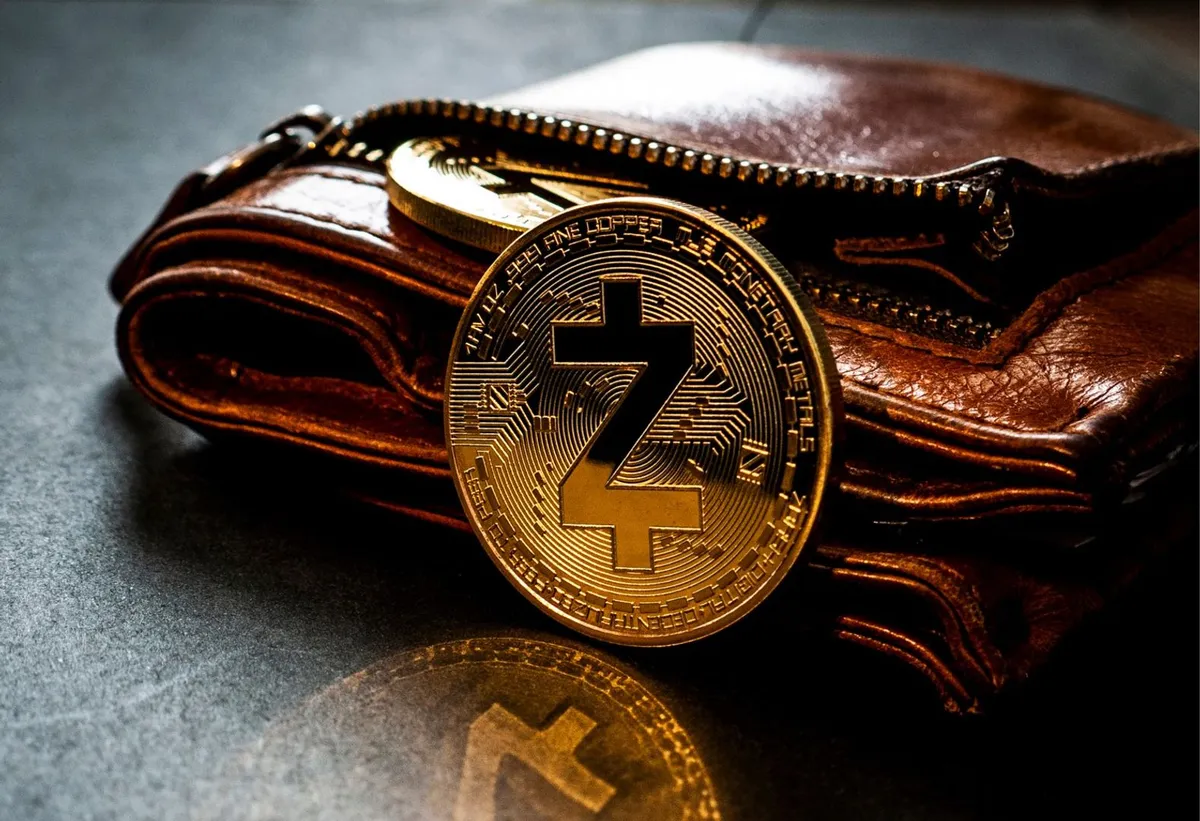
Bitcoin climbs toward $60,000 after Fed Chair Warsh said inflation risks has come down
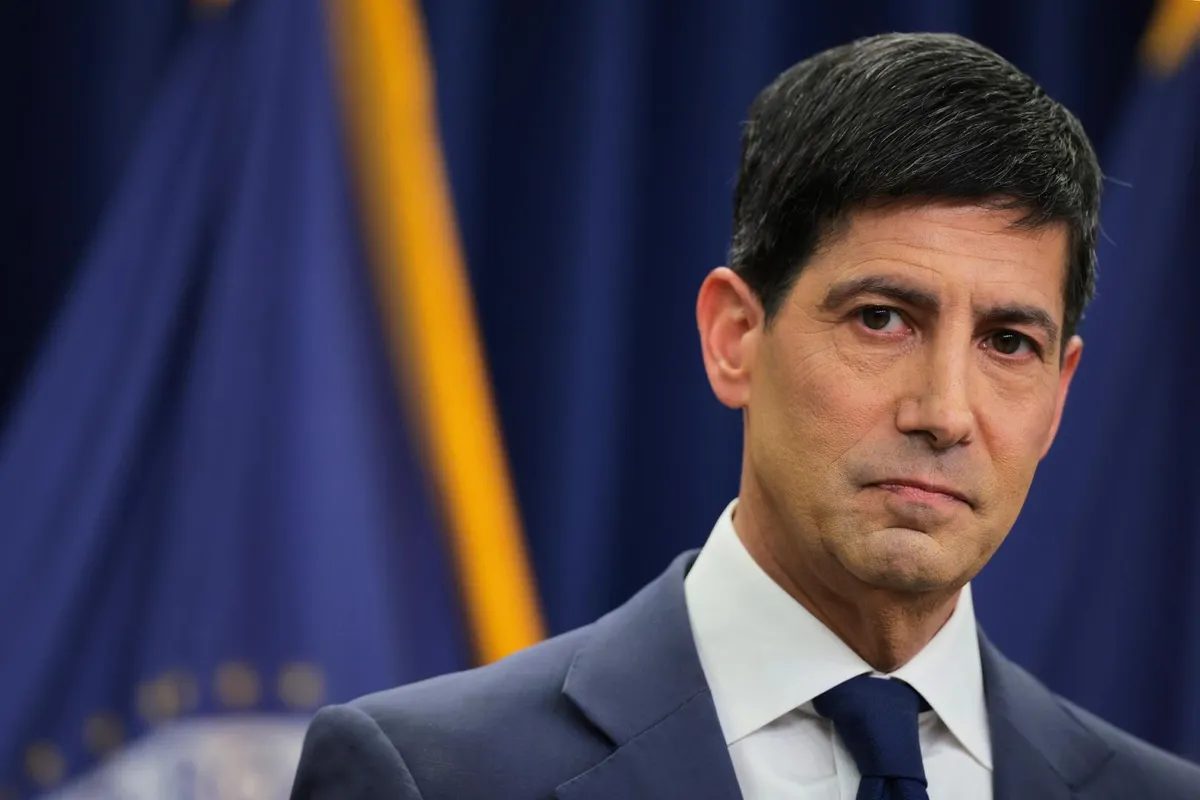
Bitcoin has seen a significant price surge, climbing toward the $60,000 mark following remarks made by Federal Reserve Chair Kevin Warsh. In a recent speech, Warsh indicated that the risks associated with inflation have diminished, suggesting a potentially more stable economic outlook. His comments reinforced the central bank's ongoing commitment to maintaining its 2% inflation target, which is a key benchmark for monetary policy. Furthermore, Warsh highlighted the transformative potential of artificial intelligence in reshaping the economy and influencing monetary policy decisions, adding a layer of intrigue to his statements.
The context behind Warsh's remarks is rooted in a broader economic narrative. Inflation has been a central concern for the Federal Reserve and investors alike, particularly in the wake of the pandemic and subsequent economic disruptions. As inflationary pressures have begun to stabilize, there has been a palpable shift in market sentiment. Investors are closely monitoring the Fed's actions and statements, as they have direct implications for interest rates and overall economic health. Warsh's acknowledgment of reduced inflation risks may signal a more cautious approach to future rate hikes, which has historically influenced cryptocurrency markets.
This development is crucial for the cryptocurrency market, particularly for Bitcoin, which has often been viewed as a hedge against inflation. As the prospects of persistent inflation recede, investors may feel more confident in allocating assets to Bitcoin and other digital currencies. The rising price of Bitcoin toward the $60,000 threshold reflects not only investor optimism but also a growing acceptance of cryptocurrencies as legitimate financial instruments. Moreover, the mention of artificial intelligence could foster innovative financial products that further integrate cryptocurrencies into mainstream finance.
Industry reactions to Warsh's comments have been varied. Some experts believe that a stable inflation outlook could bolster institutional investment in Bitcoin and cryptocurrencies, as lower inflation typically leads to more favorable conditions for risk assets. Others caution that while the current trend is positive, Bitcoin's volatility remains a concern, and investors should remain vigilant. The interplay between traditional finance and emerging technologies like AI is also a hot topic, with many in the crypto space eager to see how these developments will affect market dynamics.
Looking ahead, the cryptocurrency market will likely remain sensitive to Federal Reserve communications and economic indicators. The interplay between inflation, interest rates, and technological advancements will shape the future of Bitcoin and its market position. As we approach the end of the year, market participants will be keen to see whether Bitcoin can maintain its upward trajectory and if it can firmly establish itself as a viable alternative to traditional assets amidst a changing economic landscape.

CoinMagnetic Team
Crypto investors since 2017. We trade with our own money and test every exchange ourselves.
Updated: July 2026
From our insights:
Related news
Robinhood expands trading hours and adds AI tools to attract active traders

Anthropic aims for $2 trillion IPO after $42 billion loss, revenue up twelvefold

SEC and CFTC face critical leadership void as seven commissioner seats go empty

Kakaopay partners with Dinari, Ondo to explore tokenized Korean stocks
Tim Scott criticizes Democrats for abandoning the Clarity Act