Trump Iran statements pressure equities while bitcoin tests the $81.5K ETF level
We are watching bitcoin extend its daily losses to 3 percent as broader macroeconomic pressures weigh on risk assets. The recent downward movement coincided with US equities coming under intense pressure following comments from President Donald Trump regarding potential military action involving Iran. This sudden geopolitical tension quickly spilled over from traditional financial markets into the digital asset space, triggering a swift repricing across major cryptocurrencies and reminding traders of the asset class's ongoing sensitivity to global headlines.
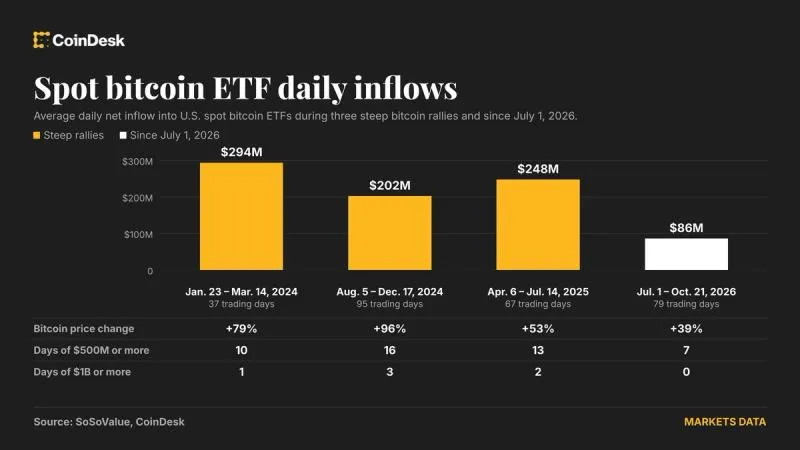
To understand the current price action, we have to look closely at the institutional landscape that now heavily dictates market momentum. Bitcoin has been hovering near the crucial 81,500 dollar mark, which market participants closely monitor as the aggregate cost basis for spot exchange-traded funds. These investment vehicles have played a massive role in shaping price discovery over recent months, acting as a primary bridge for traditional capital entering the ecosystem and establishing a baseline floor for institutional positioning.
This interaction between traditional equity sell-offs and digital asset valuations matters deeply for the broader market structure. When macroeconomic stress causes Wall Street indices to slide, the correlation between stocks and crypto often tightens in the short term. For bitcoin holders and ETF participants, testing the 81,500 dollar cost basis serves as a critical stress test. It measures the conviction of late-stage institutional buyers who entered positions during the recent bullish expansion and now face their first significant geopolitical headwinds.
Industry observers and market analysts have been quick to point out that these external shocks are a normal part of a maturing market cycle. While short-term derivative traders often panic and flush out leveraged positions during such announcements, long-term proponents view these tests as necessary friction. The rapid transmission of geopolitical risk into crypto underscores how deeply integrated digital assets have become with global macroeconomic sentiment, moving far beyond an isolated retail bubble into the core of institutional portfolios.
As we look ahead, market participants will be keeping a close eye on incoming diplomatic developments from the Middle East and how traditional equity markets respond to ongoing rhetoric. If US stocks manage to recover their footing, bitcoin has historically shown the capacity to rebound sharply from key support levels like the ETF cost basis. However, persistent downward pressure on equities could force a deeper retest of lower support zones, keeping volatility elevated in the near term.

CoinMagnetic Team
Crypto investors since 2017. We trade with our own money and test every exchange ourselves.
Updated: October 2026
From our insights:
Related news

Underdog integrates Zero Hash to enable round-the-clock digital asset deposits

Thailand SEC reports spot crypto ETF inquiries from multiple asset managers

SoFi launches 4.40 percent APY tokenized deposit with FDIC coverage
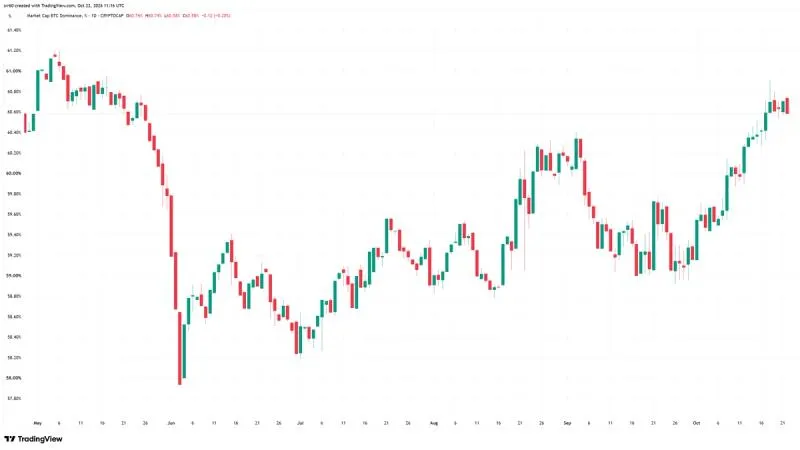
Bitcoin gains traction as altcoins struggle and ETF flows fluctuate

US spot Bitcoin funds pull in $528 million to clear $1 billion milestone in three days