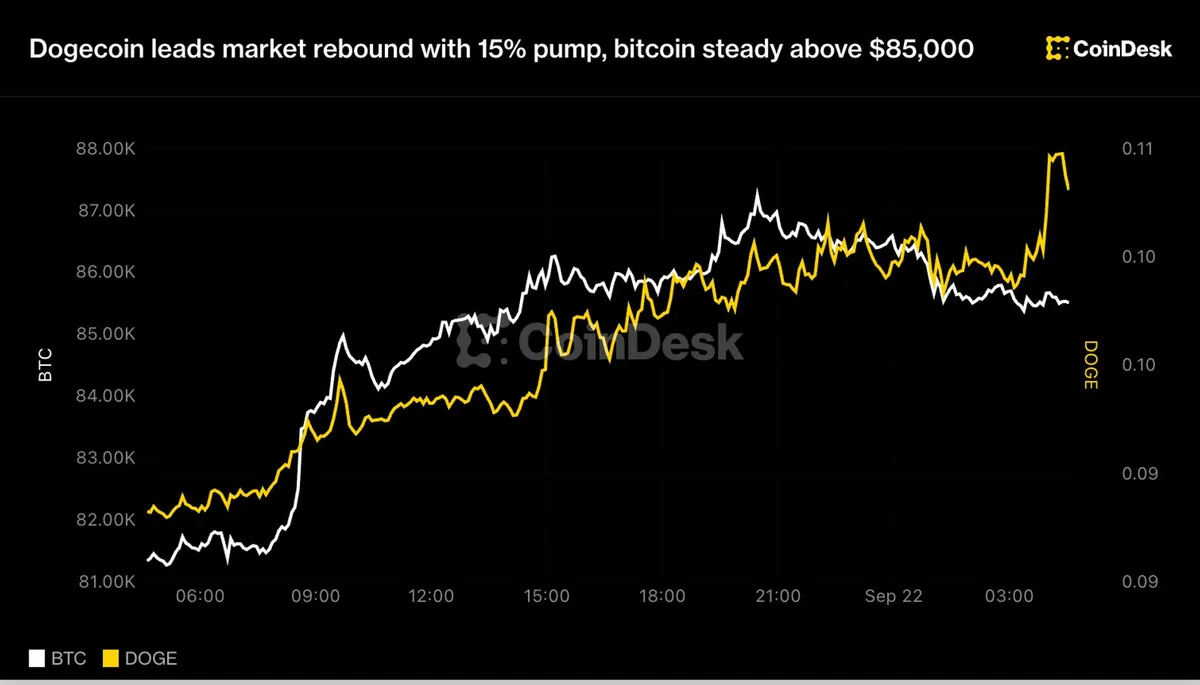
Bitcoin avoided an inflation shock, now it has to prove the rally isn’t over

Bitcoin has recently dodged a significant inflation shock, following the Bureau of Economic Analysis (BEA) report that revealed the Personal Consumption Expenditures (PCE) index for April. The data indicated a year-over-year headline inflation rate of 3.8% and a core inflation rate of 3.3%, both figures aligning closely with economists' predictions. This alignment has alleviated concerns of a new macroeconomic crisis, allowing Bitcoin to stabilize within the precarious range it has occupied since its decline from the $75,000 mark. However, while the immediate pressure from inflation has eased, the cryptocurrency must contend with a lack of renewed demand to sustain its current position.
The backdrop for this situation is rooted in the broader economic environment, where inflation rates have been a focal point for investors. Throughout 2022 and early 2023, soaring inflation prompted fears of aggressive interest rate hikes from central banks, which in turn affected risk assets, including cryptocurrencies. As the market has adjusted to these inflationary pressures, Bitcoin's price has demonstrated volatility, with many traders remaining cautious. The recent PCE figures provide a ray of hope for market participants, suggesting that inflation may be stabilizing, but the path forward for Bitcoin remains uncertain.
The implications of this inflation data are significant for the cryptocurrency market as a whole. With inflation fears dissipating, investors may feel more inclined to re-enter the market, potentially fueling renewed buying pressure. Conversely, should demand remain tepid, Bitcoin could struggle to regain its momentum, leading to prolonged stagnation around its current price levels. The market's sentiment is fragile, and a lack of strong buying interest could mean that any rally will be short-lived, reinforcing the notion that Bitcoin is still navigating a delicate balance.
Expert opinions on Bitcoin's current situation are mixed, reflecting the cautious optimism that has permeated the market. Some analysts believe that the easing of inflationary pressures could pave the way for a more robust recovery, while others caution that the cryptocurrency's dependence on macroeconomic factors poses ongoing risks. Furthermore, the sentiment among institutional investors plays a crucial role–if they perceive Bitcoin as a hedge against inflation, a resurgence in demand could follow. However, the overall market remains wary, and many are advising a wait-and-see approach before making significant investments.
Looking ahead, the key question is whether Bitcoin can attract renewed demand in the wake of these inflation figures. As investors continue to assess the economic landscape, many are closely monitoring macroeconomic indicators and central bank policies for signs of future direction. Should Bitcoin successfully navigate this period of uncertainty and demonstrate resilience, it could ignite a new rally; however, if demand remains lackluster, the cryptocurrency may face a challenging road ahead. The coming weeks will be critical in determining Bitcoin's trajectory, as the market watches closely for signs of recovery or a potential downturn.

CoinMagnetic Team
Crypto investors since 2017. We trade with our own money and test every exchange ourselves.
Updated: May 2026
From our insights:
Related news
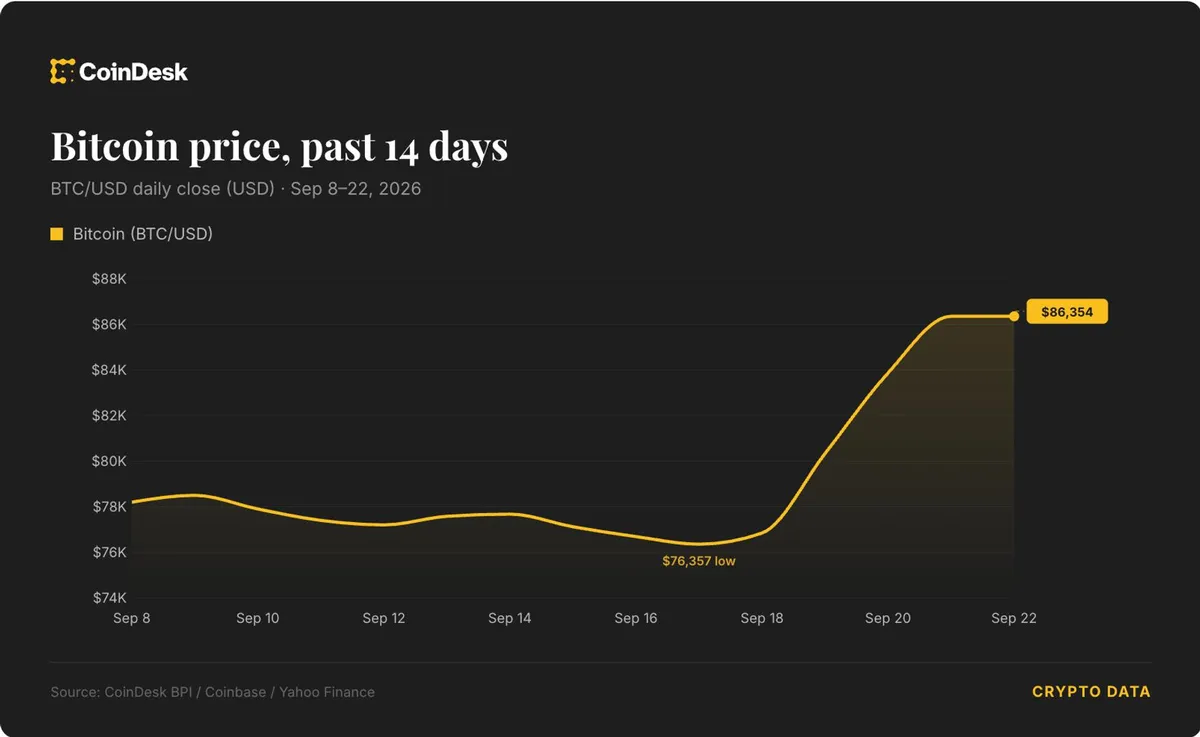
Iran hints at reopening Strait of Hormuz, WTI oil drops to $89
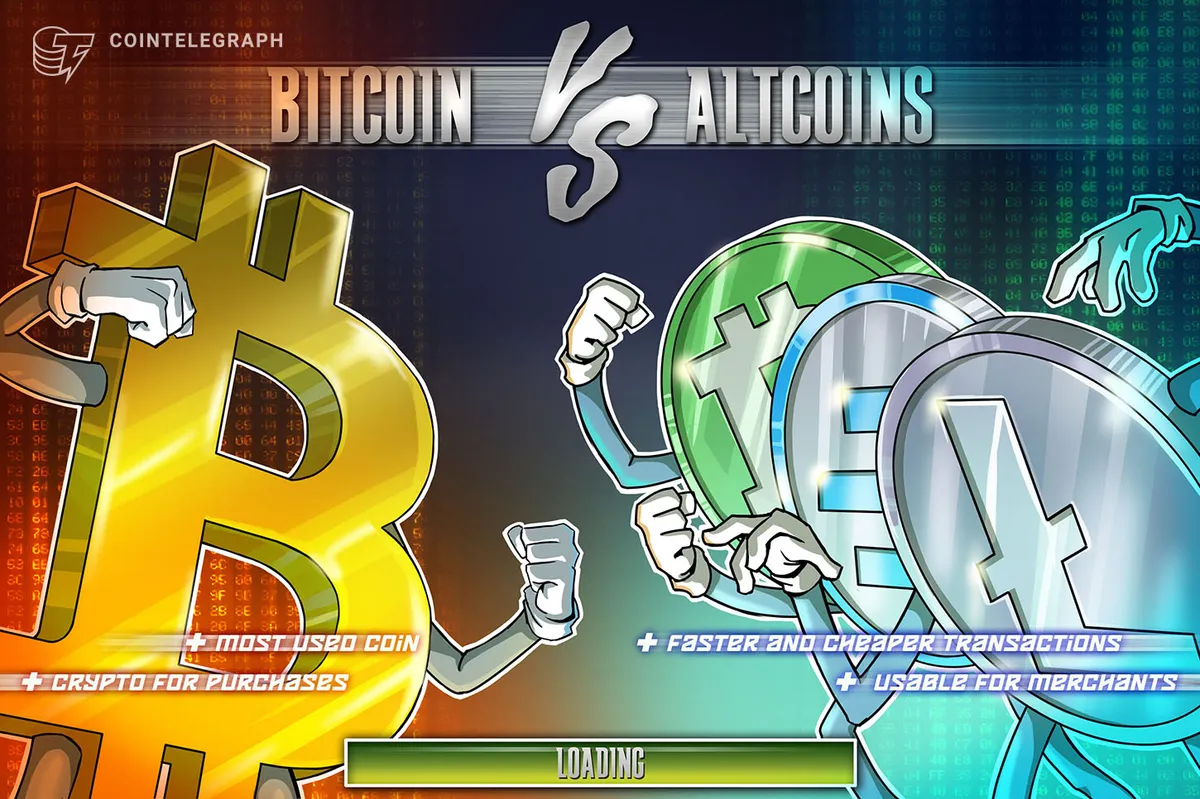
New altseason signal emerges as Bitcoin market cap stays under 60%

Bitcoin nears $86,000 as crypto market cap surpasses $3 trillion
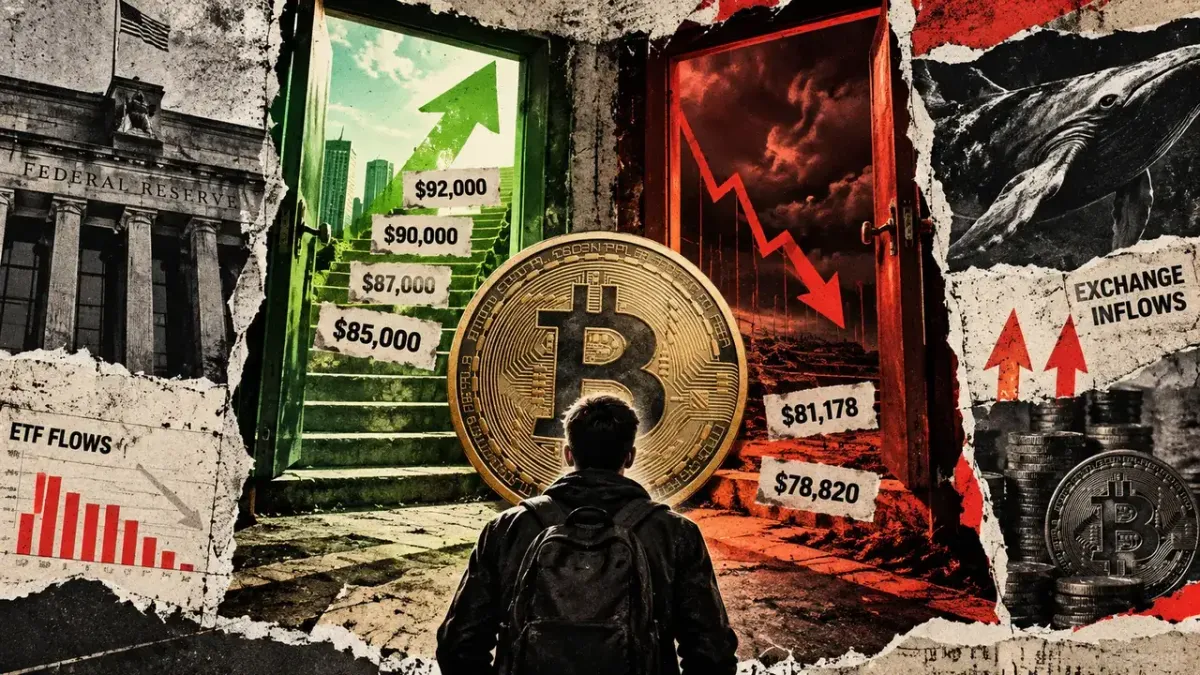
Bitcoin's weekly close above $81,000 signals potential rise to $90,000

Elon Musk's X integrates bitcoin trading options for U.S. users