Bitcoin ATMs were crypto’s street-corner bank. Now regulators are shutting the door
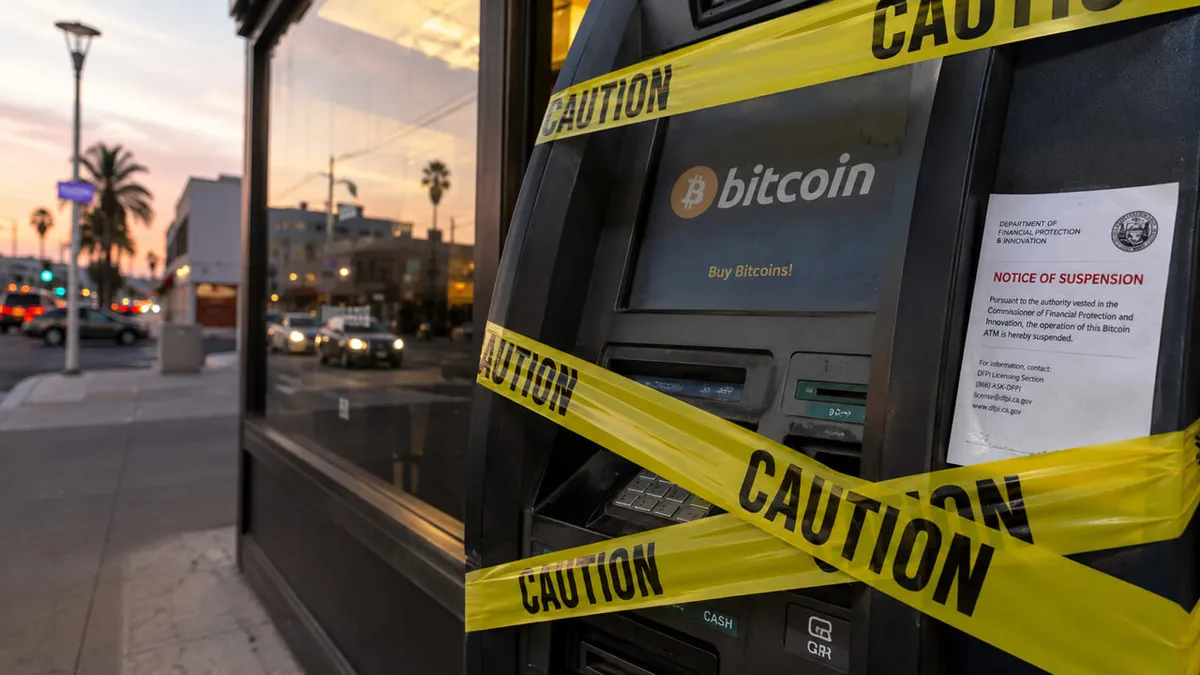
In recent developments, Bitcoin ATMs, once regarded as the street-corner bank of the cryptocurrency world, are facing increased scrutiny from regulators. These machines, which allow users to buy and sell Bitcoin and other cryptocurrencies with relative ease, have become a vital point of access for many individuals looking to engage with digital assets. However, as governments worldwide ramp up their efforts to regulate the crypto space, many of these ATMs are now being forced to comply with stringent regulations that often require customer verification, bank accounts, and other traditional financial protocols. This shift could significantly alter the landscape of how ordinary people interact with cryptocurrencies.
Historically, Bitcoin ATMs have played a crucial role in bridging the gap between the digital world of crypto and the physical world. They provided a straightforward way for individuals to purchase Bitcoin without needing extensive technical knowledge or existing banking relationships. This accessibility was particularly appealing to those who were unbanked or underbanked, allowing a larger demographic to enter the crypto space. As the interest in cryptocurrencies surged, the proliferation of Bitcoin ATMs made it easier for people to buy Bitcoin on the go, without the need for complicated exchanges or online wallets.
The impact of regulatory actions on Bitcoin ATMs is significant for the broader cryptocurrency market. As these machines become less accessible, the convenience that initially attracted many users could diminish, potentially leading to a decline in new participants entering the market. Furthermore, this regulatory tightening may create a ripple effect, prompting other crypto-related businesses to reassess their compliance strategies. The changes could also affect Bitcoin's price volatility, as reduced access to purchasing avenues might limit retail investor participation during critical market movements.
Industry experts have voiced their opinions on this regulatory shift, suggesting that while compliance is necessary for the long-term health of the market, the current approach may stifle innovation and accessibility. Some argue that the increased regulations could lead to a consolidation of the market, where only larger, well-capitalized businesses can survive the compliance burden, ultimately reducing competition and choice for consumers. Others believe that this could push the cryptocurrency ecosystem toward more robust and secure practices, fostering a more mature market in the long run.
Looking ahead, the future of Bitcoin ATMs will likely depend on how regulators and the crypto industry can find common ground. As the regulatory landscape continues to evolve, stakeholders will need to adapt quickly to maintain the balance between compliance and accessibility. The industry may see a push for new technologies and solutions that can streamline compliance processes while still providing users with the ease of access they have come to expect. As this dynamic unfolds, it will be essential for the community to stay informed and engaged in the discussion surrounding the future of Bitcoin ATMs and their role in the cryptocurrency ecosystem.

CoinMagnetic Team
Crypto investors since 2017. We trade with our own money and test every exchange ourselves.
Updated: May 2026
From our insights:
Related news

Crypto sector emerges as top donor with $206 million in midterms backing

Stand With Crypto’s 4 million registered advocates couldn’t get the CLARITY Act through the Senate

Kakao Pay, KakaoBank to explore stablecoin opportunities with Fireblocks

US Attorney's investigation into Binance focuses on Iran sanctions compliance

ECB initiates wholesale digital euro for banks and tokenized bond purchases