BIS says tokenization can improve wholesale cross-border payments
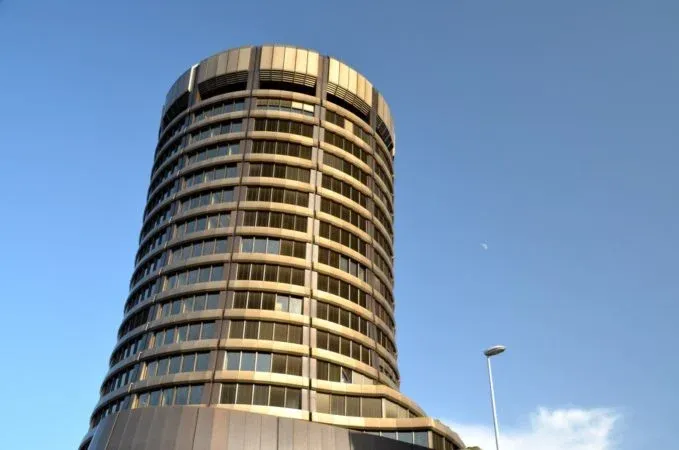
The Bank for International Settlements (BIS) recently released findings from Project Agorá, highlighting that tokenization could significantly enhance wholesale cross-border payments. The report emphasizes how atomic settlement, which allows transactions to be finalized instantly across various jurisdictions, could streamline processes and reduce the complexities often associated with international payments. This innovation could not only improve efficiency but also lower costs, making cross-border transactions more appealing to financial institutions.
To put this development into context, wholesale cross-border payments have traditionally suffered from a myriad of challenges, including long processing times, high fees, and regulatory hurdles. These issues have been exacerbated by the growing demand for faster and more transparent payment solutions in an increasingly globalized economy. The BIS has been at the forefront of exploring digital currencies and blockchain technology, aiming to modernize the financial landscape and address the inefficiencies tied to outdated payment systems.
The implications of this finding are profound for the market. If tokenization can facilitate atomic settlements, it could lead to a shift in how financial institutions approach cross-border transactions. This could attract new players into the space, including fintech companies that specialize in digital solutions, potentially increasing competition and driving innovation. Additionally, the reduction in transaction times and costs could make cross-border payments more accessible for businesses, particularly small and medium-sized enterprises, which often struggle with the existing barriers.
Industry experts have reacted positively to the BIS findings, with many highlighting the potential for tokenization to foster a more interconnected global financial system. Some analysts believe that this could lead to increased collaboration between central banks and private sector entities, as both sides recognize the benefits of a more efficient payment infrastructure. However, there are also concerns about the regulatory implications of widespread tokenization and how it might affect existing frameworks.
Looking ahead, the focus will likely shift to how financial institutions and regulators will embrace these advancements. As the BIS continues to explore the possibilities of tokenization through initiatives like Project Agorá, we can expect ongoing discussions around the necessary regulatory adaptations and the technological infrastructure required to support this transformation. The next steps will be crucial in determining whether the industry can effectively harness the potential of tokenization to revolutionize wholesale cross-border payments.

CoinMagnetic Team
Crypto investors since 2017. We trade with our own money and test every exchange ourselves.
Updated: May 2026
From our insights:
Related news
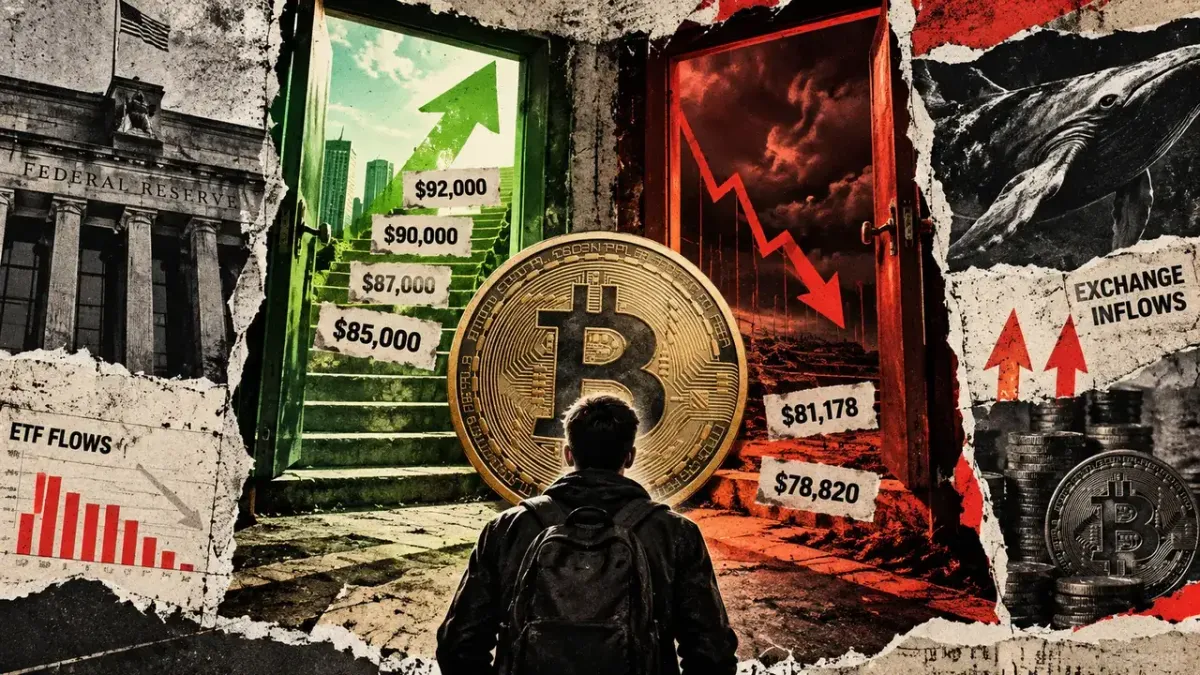
Bitcoin's weekly close above $81,000 signals potential rise to $90,000

Elon Musk's X integrates bitcoin trading options for U.S. users
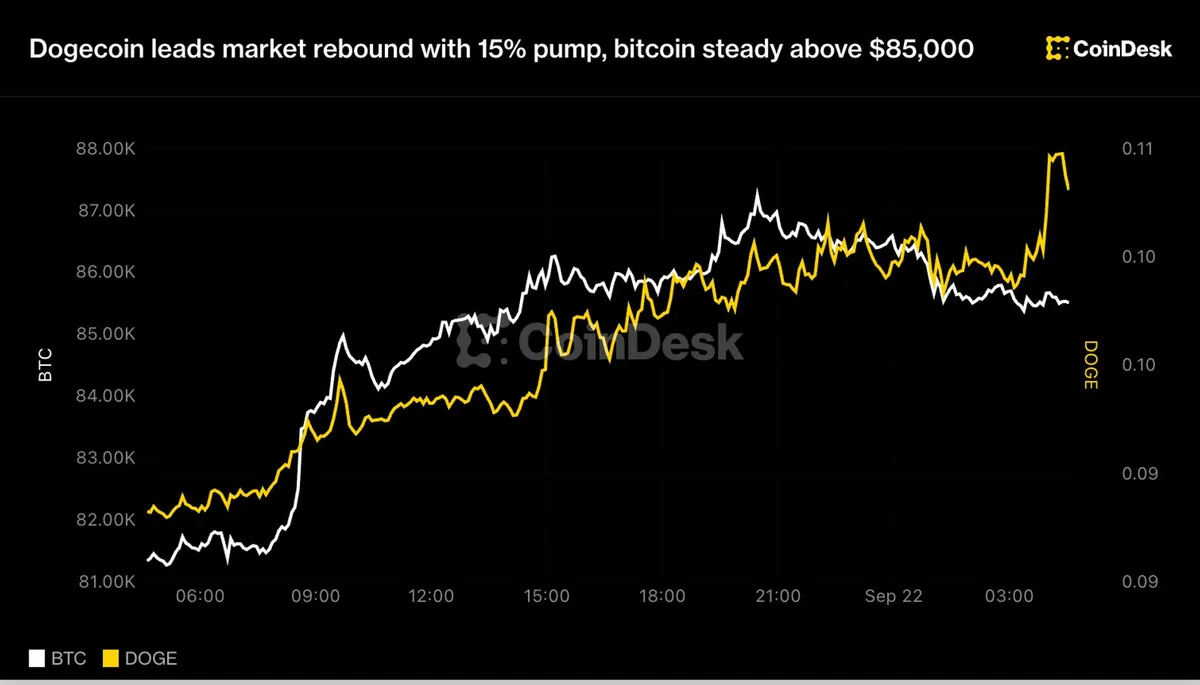
Dogecoin's 15% surge drives market recovery as bitcoin stabilizes above $85,000

Cardano adds tools for AI agent payments, joining Solana and XRP Ledger

Trueo prediction market moves from Base to Ethereum