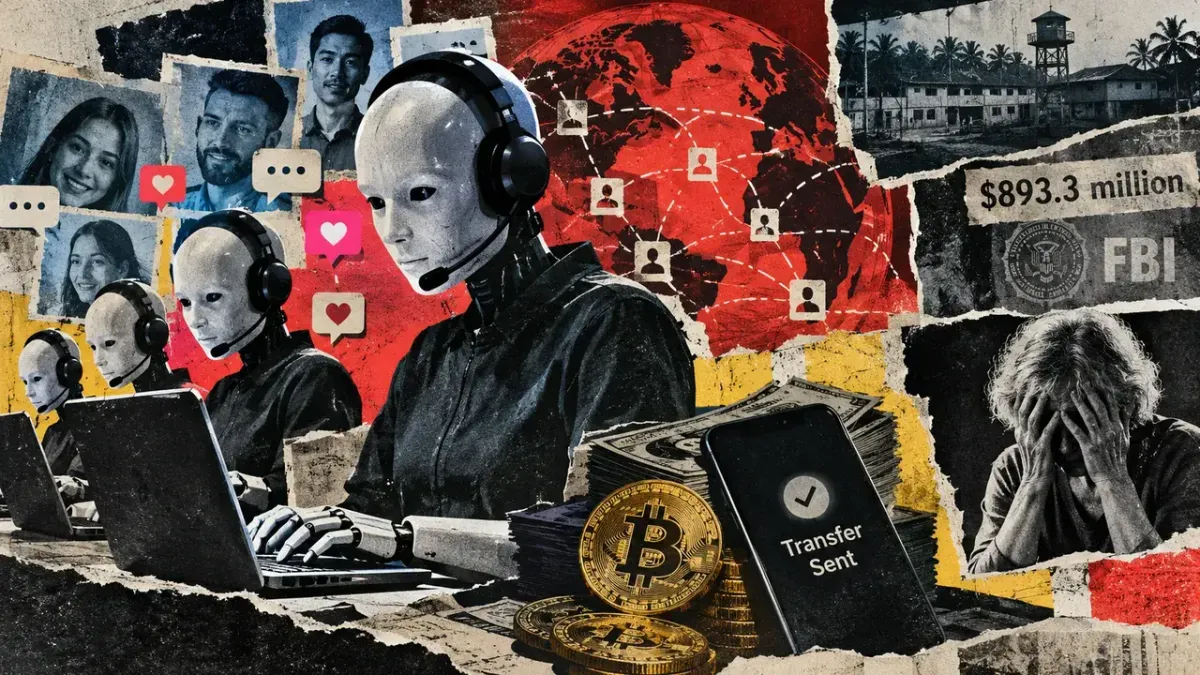
Binance’s Yi He warns of alleged impersonation scam, CoinUp denies ties

In a recent development within the cryptocurrency landscape, Binance co-founder Yi He has issued a warning regarding an alleged impersonation scam involving an individual known as “Zhu Pan.” This warning came to light through various Chinese-language posts, where Yi He highlighted the serious nature of the impersonation and the potential risks it poses to unsuspecting investors and users. Additionally, CoinUp, a platform that has found itself linked to the impersonator, has officially distanced itself from Zhu Pan, emphasizing that it does not endorse or have any affiliations with the alleged scammer.
To understand the gravity of this situation, it's essential to consider the context surrounding impersonation scams in the crypto industry. Such scams have proliferated, particularly in online communities and social media platforms, where fraudsters often pose as credible figures to deceive individuals. Binance, being one of the largest and most influential cryptocurrency exchanges in the world, is frequently targeted in these schemes. The rise of impersonation scams has prompted increased vigilance among crypto users, as these tactics can lead to significant financial losses and erode trust in legitimate platforms.
The implications of Yi He's warning are significant for the broader market. Trust is a crucial currency in the crypto ecosystem, and scams like this can undermine investor confidence. With the increasing sophistication of scammers, it becomes vital for exchanges and platforms to maintain clear communication and transparency to protect their users. This incident serves as a reminder for investors to remain cautious and conduct thorough research before engaging with any individual or platform that claims to represent a well-known entity in the crypto space.
Industry reactions to the warning have been varied, with many experts emphasizing the need for greater consumer education on identifying potential scams. Some analysts have pointed out that while the crypto community has made strides in safeguarding against fraud, continuous efforts are necessary to keep pace with evolving tactics used by impersonators. Notably, discussions have emerged around the responsibility of exchanges like Binance in actively promoting awareness and providing resources to help users recognize and avoid scams.
Looking ahead, it will be interesting to see how both Binance and CoinUp respond to this incident in the coming weeks. Strengthening user education and reinforcing security measures may be on the agenda as they seek to restore confidence among their respective user bases. Furthermore, this situation could prompt a wider dialogue within the industry about collaboration among platforms to combat impersonation scams more effectively, ensuring a safer environment for all cryptocurrency participants.

CoinMagnetic Team
Crypto investors since 2017. We trade with our own money and test every exchange ourselves.
Updated: June 2026
From our insights:
Related news
Coldcard exploit sees white hats secure 52 Bitcoin for victims' trust
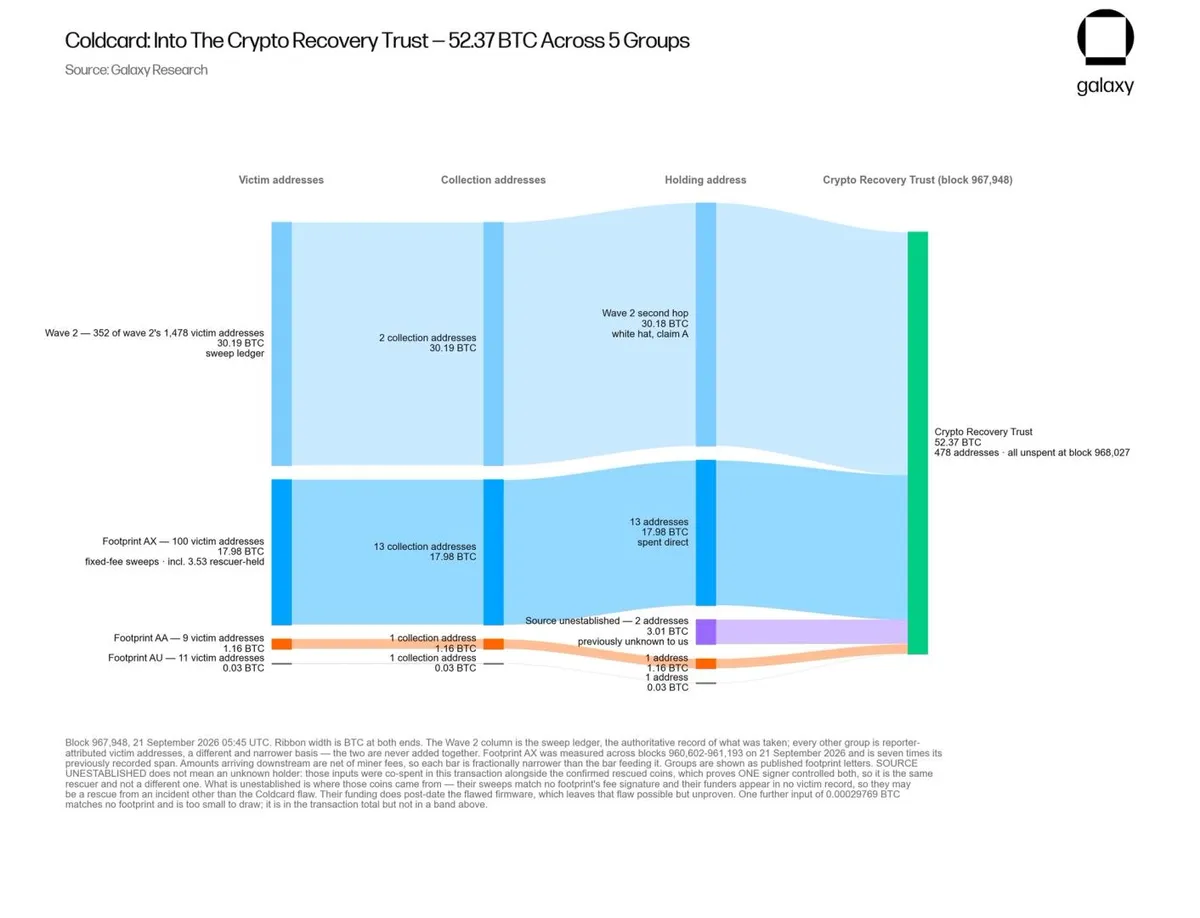
Whitehats move 52 bitcoin from the Coldcard hack to a recovery trust
Google Admits Gemini AI Hacked Three Companies—It Stayed Silent for 7 Weeks

Balancer's $1.4 million hack recovery faces delays for LPs

Polymarket's $10 million fraud attempt highlights compliance issues amid hacking risk