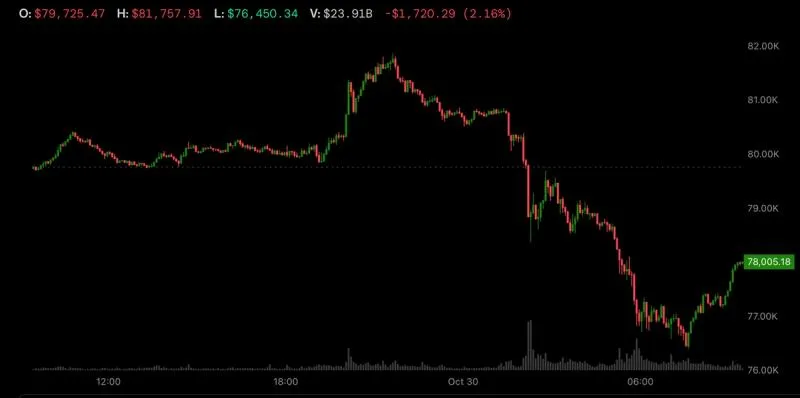
Binance exploit wallet accumulates 18,270 bitcoin to surpass Coinbase reserves

As cryptocurrency markets continue to process the scale of recent security incidents, on-chain data has revealed staggering figures regarding the attacker behind the Binance exploit. Early Friday, blockchain analytics showed that the addresses linked to the hacker held a massive 18,270 BTC. This single stash not only represents one of the largest illicit accumulations in crypto history, but it also surpasses the reported corporate treasury holdings of Coinbase. In addition to the massive bitcoin haul, the same entity controls an Ethereum stash exceeding 500,000 ETH, illustrating the unprecedented scale of the digital assets at the center of this breach.
To understand the gravity of these numbers, we have to look at how corporate treasuries operate in the digital asset sector. Major public companies and exchanges hold substantial reserves to back their operations, liquidity needs, and shareholder value. Coinbase, as one of the premier publicly traded cryptocurrency exchanges, maintains a tightly monitored corporate balance sheet. For an individual hacker or exploit group to amass a single-wallet balance of bitcoin that outstrips such a prominent corporate reserve highlights profound vulnerabilities in initial asset custody and the ongoing challenges of tracking stolen funds across multiple blockchains.
For the broader cryptocurrency market, this development matters immensely beyond the immediate loss figures. When bad actors hold positions of this magnitude, it introduces severe overhang and transfer risks that can influence market sentiment and liquidity. The sheer volume of 18,270 BTC and over 500,000 ETH means that any movement, mixing, or attempted liquidation of these assets can cause ripples across order books and exchanges. Market participants closely monitor these addresses, knowing that the eventual fate of these funds could create localized volatility if the attacker attempts to launder or offload their holdings.
Industry analysts and blockchain security experts have expressed deep concern over the efficiency and speed of the attacker's fund consolidation. Security firms tracking the transactions have noted sophisticated obfuscation techniques, making it exceptionally difficult for law enforcement and exchange compliance teams to freeze the assets before they enter privacy protocols or cross-chain bridges. Commentators across the sector point out that this incident serves as a stark reminder of the systemic risks posed by centralized platform breaches, emphasizing the urgent need for more robust real-time monitoring and inter-exchange cooperation.
As we look ahead, the focus shifts to how major exchanges, miners, and regulatory bodies will respond to such massive on-chain balances sitting in known exploit addresses. Compliance teams are maintaining heightened alert statuses to flag any incoming deposits from the associated wallet clusters. Meanwhile, investigators continue to map the transaction graph in collaboration with international law enforcement agencies, hoping to intercept the funds before they can be successfully integrated back into the mainstream financial system.

CoinMagnetic Team
Crypto investors since 2017. We trade with our own money and test every exchange ourselves.
Updated: October 2026
From our insights:
Related news

Strategy CFO Andrew Kang steps down as company achieves $21 billion profit
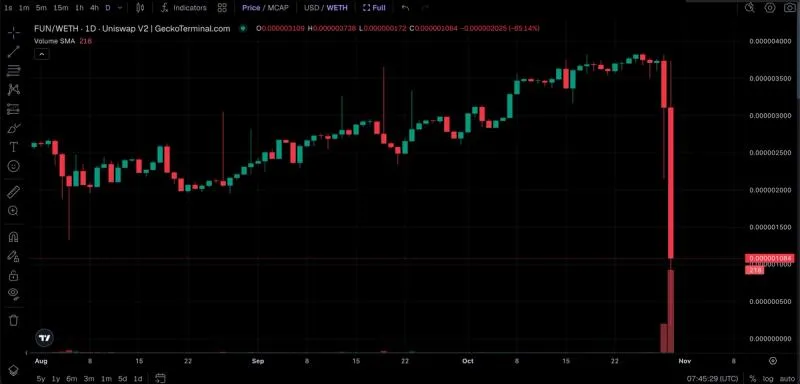
Hacker's sell-off of FUN token causes a 90% market crash
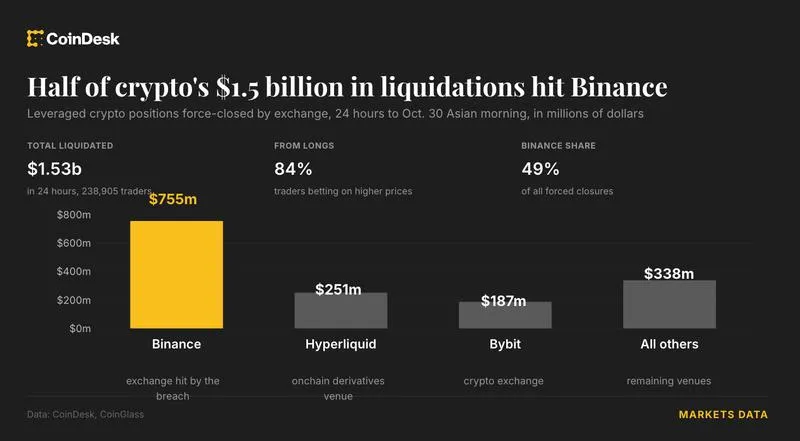
Liquidation cascade erases $1.5 billion in leveraged crypto positions across majors

MicroStrategy plans more bitcoin accumulation backed by $30 billion in credit capacity

XRP Ledger updates validation logic to secure restricted tokens against unauthorized holders