Binance founder CZ says MiCA application was ‘fully compliant’ and near approval before political forces intervened

In a recent statement, Binance founder Changpeng Zhao, known as CZ, revealed that the exchange's application for compliance under the European Union's Markets in Crypto-Assets (MiCA) regulation was nearing approval. However, he indicated that intervention from unnamed political forces had disrupted the process. This revelation has not only raised eyebrows within the crypto community but also sparked discussions about the influence of politics on regulatory frameworks in the rapidly-evolving digital asset landscape. CZ's comments suggest a complex interplay between regulatory compliance and political dynamics that could have significant implications for cryptocurrency exchanges operating in Europe.
The MiCA regulation aims to create a comprehensive framework for crypto-assets across the EU, streamlining regulations for exchanges and providing greater consumer protections. As one of the largest cryptocurrency exchanges globally, Binance's compliance with MiCA is pivotal, not just for the platform itself but for the broader industry. The initiative was designed to ensure that crypto assets are treated similarly to traditional financial instruments, fostering innovation while also ensuring investor safety. CZ's assertion that the application was almost approved underscores the lengthy and often fraught journey that crypto companies face in securing regulatory legitimacy.
The implications of this situation for the market could be profound. If political influences continue to obstruct regulatory approvals, it may deter other cryptocurrency companies from pursuing compliance, leading to a fragmented regulatory environment. This could stifle innovation and growth in the industry, as companies may choose to operate in jurisdictions with clearer, more supportive regulations. Conversely, if Binance can navigate this political landscape successfully, it may set a precedent that encourages other exchanges to follow suit, ultimately contributing to a more robust and compliant market.
Industry reactions to CZ's comments have been mixed, with some experts expressing concern over the potential for political interference in regulatory matters. Others view this situation as a call to action for the industry to advocate for clearer and more transparent regulatory processes. Notable voices in the crypto space have emphasized the need for a collaborative approach between regulators and industry stakeholders to ensure that regulations are not only effective but also fair and conducive to innovation. This dialogue is crucial in shaping the future of cryptocurrency regulation and its acceptance within traditional financial systems.
Looking ahead, it remains to be seen how Binance will navigate the next steps following CZ's remarks. The exchange may need to engage directly with regulatory bodies and political stakeholders to address the concerns raised and push for a resolution. Additionally, the broader crypto community will be watching closely to see if this incident prompts regulatory bodies to reassess their approaches to crypto regulation in light of political influences. As the landscape continues to evolve, the outcome of this situation could significantly impact the future of cryptocurrency regulation in Europe and beyond.

CoinMagnetic Team
Crypto investors since 2017. We trade with our own money and test every exchange ourselves.
Updated: June 2026
From our insights:
Related news

RedotPay prepares for U.S. IPO after completing financial audit

Sydney Sweeney partners with Novig to promote sports prediction markets
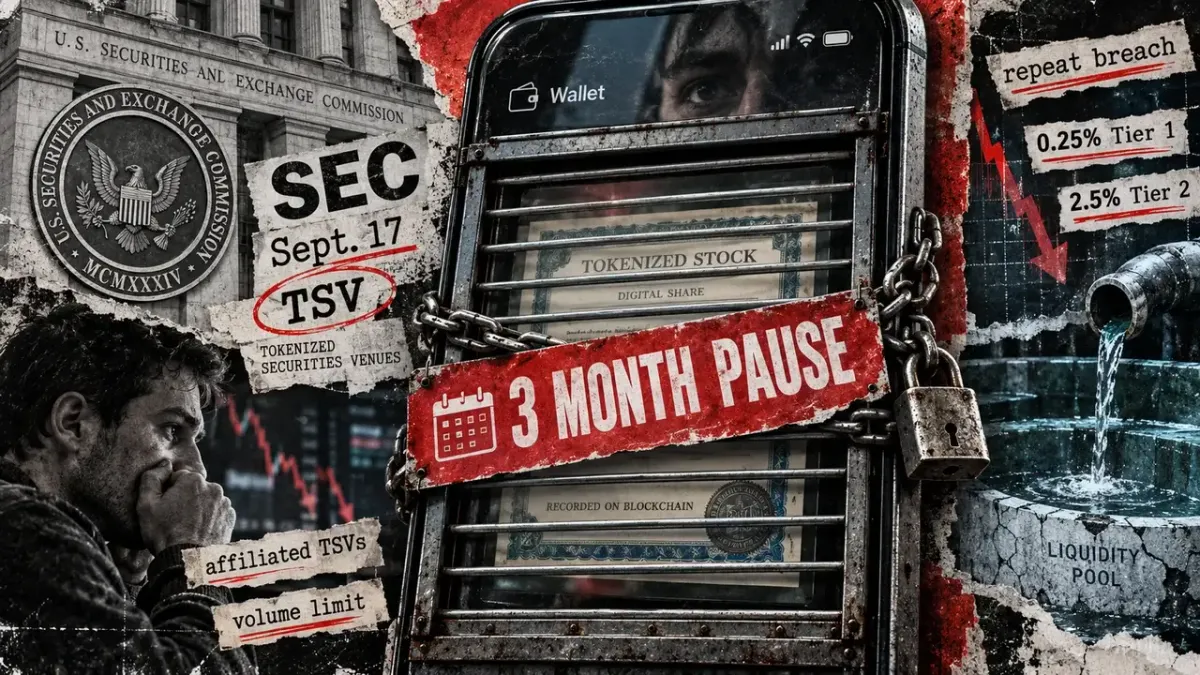
Tokenized stocks could face three-month trading halt, experts warn

Payward invests billions to transform into financial infrastructure beyond crypto exchange

OG.com seeks CFTC approval for single-stock perpetual futures