Binance eyes Philippines return through SEC sandbox partnership

Binance, the leading cryptocurrency exchange, is reportedly exploring a potential return to the Philippines through a partnership with the local Securities and Exchange Commission (SEC) as part of the agency’s regulatory sandbox initiative. This move comes after a directive issued by the National Telecommunications Commission (NTC) in 2024 that resulted in the exchange being blocked in the country. The SEC’s sandbox allows firms to test innovative financial products, services, and business models in a controlled environment, which could provide Binance with a pathway to operate legally in the Philippines while ensuring compliance with local regulations.
The backdrop to this development is a growing regulatory landscape for cryptocurrency exchanges in Southeast Asia. Over the past few years, regulators in the region have become increasingly vigilant about ensuring that crypto platforms adhere to the necessary licensing and registration requirements. In the Philippines, the SEC has been particularly proactive in addressing concerns related to investor protection and market integrity, leading to Binance’s current predicament. The 2024 directive from the NTC reflects a broader trend of stringent measures aimed at managing risks associated with the rapid growth of digital assets.
The implications of Binance's potential return are significant for the broader cryptocurrency market in the Philippines. The country has emerged as a vibrant hub for crypto activity, with a growing number of users engaging in trading and investments. If Binance successfully navigates the regulatory landscape and establishes a presence through the SEC’s sandbox, it could pave the way for increased liquidity and trading volumes in the domestic market. Additionally, it may encourage other exchanges to pursue similar pathways, fostering a more robust and competitive environment for digital assets.
Industry experts have expressed a mixture of optimism and caution regarding Binance's plans. Some view the SEC’s sandbox initiative as a positive step towards fostering innovation while ensuring compliance, as it creates a framework for exchanges to operate within the law. However, others warn that Binance must address the concerns that led to its initial ban, including regulatory compliance and trust-building with local consumers. The sentiment reflects a broader recognition that while the potential for growth in the crypto space is substantial, regulatory hurdles must be navigated carefully.
Looking ahead, the next steps will be crucial for Binance and the Philippines’ crypto landscape. Should the partnership with the SEC materialize, it could lead to a phased re-entry for Binance, allowing them to demonstrate their commitment to regulatory adherence and consumer protection. This could also serve as a template for other exchanges facing similar challenges in the region. As the situation unfolds, all eyes will be on the SEC and Binance to see how they navigate this complex landscape and what it means for the future of cryptocurrency trading in the Philippines.

CoinMagnetic Team
Crypto investors since 2017. We trade with our own money and test every exchange ourselves.
Updated: May 2026
From our insights:
Related news
ECB and EU central banks propose liquidity thresholds for stablecoins
Four GOP senators backing CLARITY Act seek changes to stablecoin provisions
US investigates Binance for potential Iran-linked trading violations
Crypto sector emerges as top donor with $206 million in midterms backing
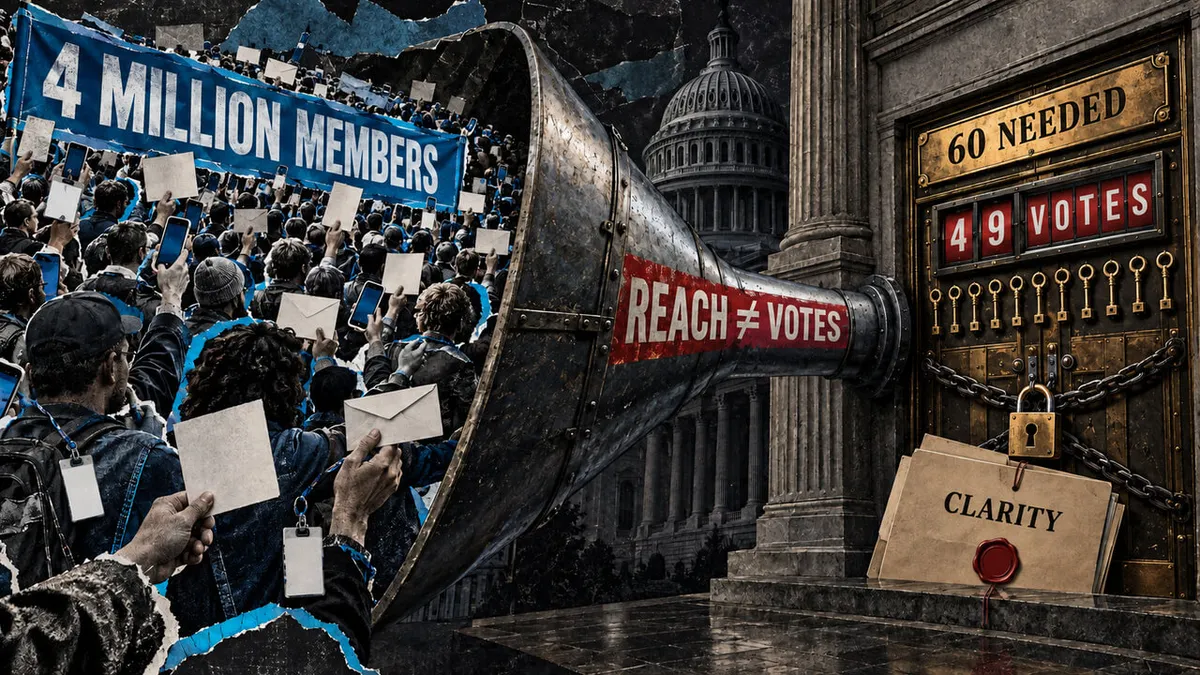
Stand With Crypto’s 4 million registered advocates couldn’t get the CLARITY Act through the Senate