Bill Gates advocates for robot tax and human-only job categories
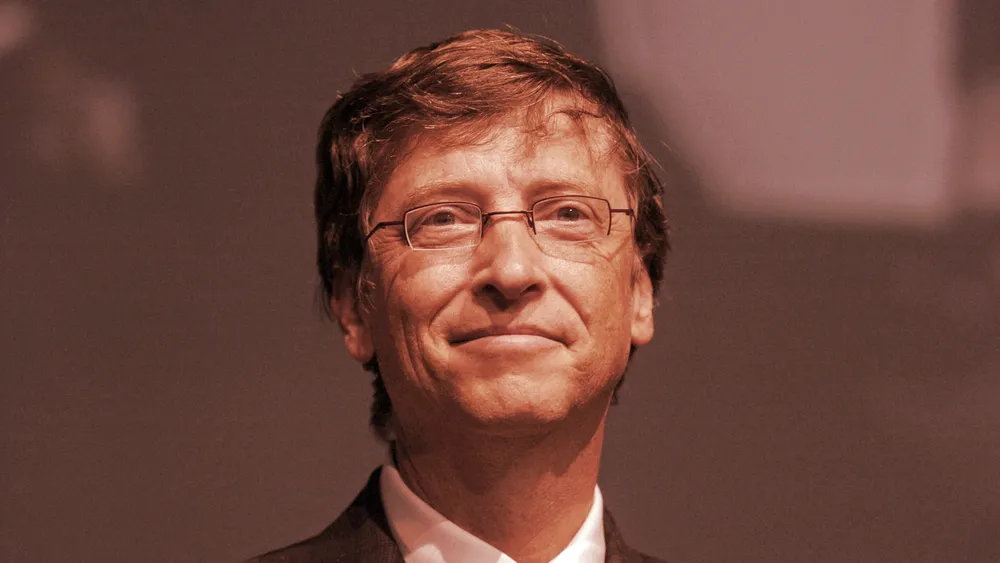
Bill Gates has recently proposed the implementation of a tax on artificial intelligence and robotics, suggesting that this could deter companies from excessively replacing human workers with machines. During a discussion on the future of work, he emphasized that taxing AI could lead firms to reconsider their automation strategies and maintain a more balanced workforce. Gates also introduced the idea of designating certain job roles as 'human reserved,' which would remain off-limits to automation, ensuring that some employment opportunities are safeguarded against technological advances.
This proposal from Gates comes at a time when the rapid advancement of AI and automation technologies is causing significant concern among workers and policymakers alike. As industries increasingly adopt AI solutions to streamline operations and reduce costs, many fear that this trend could lead to widespread job displacement. Gates' suggestions aim to address these fears by promoting a framework that encourages responsible use of technology while protecting jobs that require a human touch.
The impact of Gates' ideas on the market could be substantial, particularly as companies weigh the costs and benefits of automation. If a robot tax were to be implemented, it may alter the financial calculus for businesses considering the integration of AI into their operations. Moreover, the establishment of human-only job categories could create new opportunities in sectors that prioritize interpersonal skills, creativity, and emotional intelligence–areas where machines still fall short.
Industry reactions to Gates’ proposals have been mixed. Some experts applaud the initiative as a necessary step toward fostering a more equitable labor market, while others argue that such measures might stifle innovation and hinder the potential benefits of automation. Proponents of the robot tax believe it could serve as a catalyst for discussions about how to create a sustainable future of work, while critics warn of the potential negative economic implications.
Looking forward, the conversation around AI, automation, and employment is likely to intensify. As more leaders in technology and policy engage with these issues, we may see further developments in legislation aimed at regulating the impact of automation on the job market. Gates’ proposals could spark a broader movement toward establishing more comprehensive frameworks that balance technological advancement with the need to protect human jobs.

CoinMagnetic Team
Crypto investors since 2017. We trade with our own money and test every exchange ourselves.
Updated: August 2026
From our insights:
Related news

Coldcard investigates unauthorized link breach on its official X account

Kalshi reviews three Trump press secretary bets totaling 173 dollars ahead of official news

French committee adopts stablecoin swap and exit taxes before rejecting budget
CFTC seeks to classify event contracts as swaps amid ongoing legal battles
OpenAI and Anthropic war-game AI cyberattacks to prepare rapid congressional briefings