CertiK warns eMudhra certificate flaw could still impact crypto trading bots
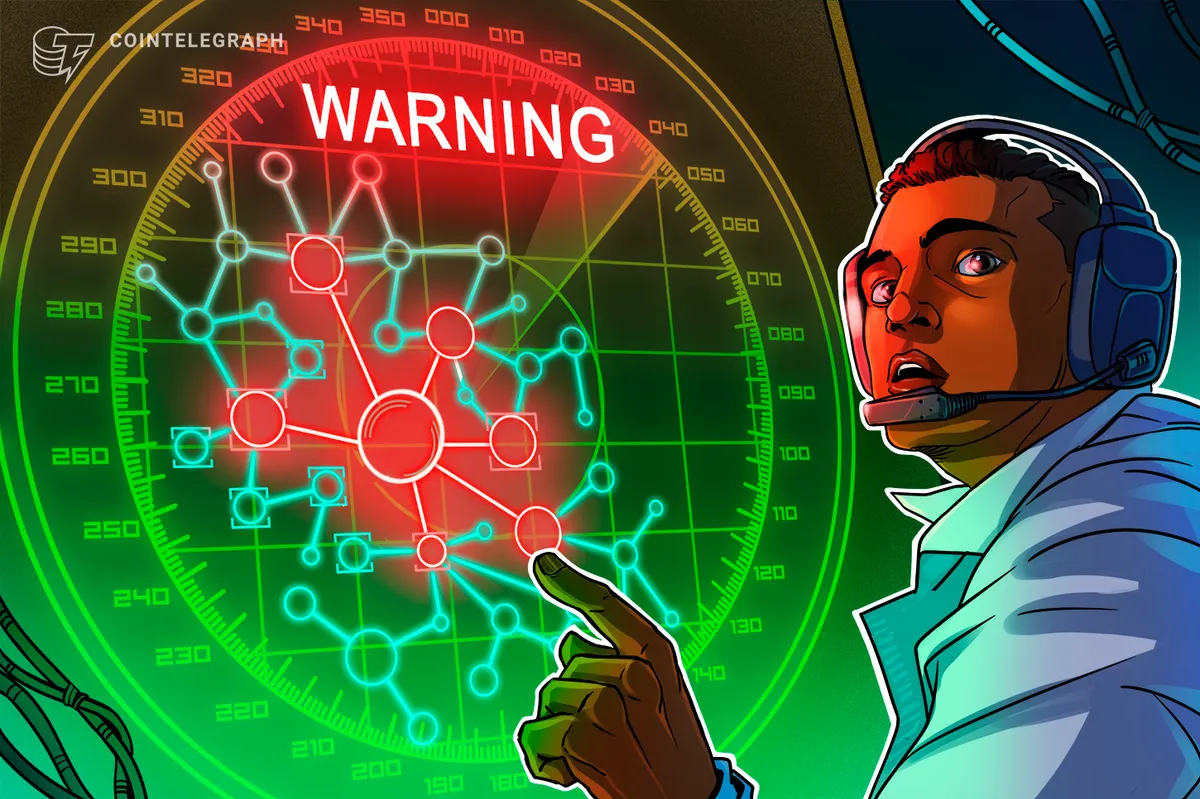
At CoinMagnetic, we are closely following a recent security warning issued by blockchain security firm CertiK regarding a vulnerability linked to eMudhra. While major technology companies have moved quickly to implement browser fixes, CertiK points out that these patches may not be enough to protect decentralized finance software, exchange applications, and automated crypto trading bots. Because these non-browser systems often rely on distinct trust stores or custom networking stacks, standard updates designed for mainstream web browsers do not automatically secure them.
The underlying issue stems from a certificate flaw involving eMudhra, a prominent digital signature provider. Security researchers discovered vulnerabilities that could theoretically allow malicious actors to forge certificates or intercept secure communications if proper validation is bypassed. When mainstream tech firms released updates to address the risk, the primary focus was on securing traditional web browsing environments and standard operating system components rather than specialized financial infrastructure.
For the broader cryptocurrency market, this distinction matters significantly. Automated trading bots and high-frequency exchange applications form the operational backbone of modern digital asset liquidity, executing millions of transactions daily without human intervention. If these headless systems remain vulnerable to certificate spoofing, malicious actors could exploit the gap to execute man-in-the-middle attacks, potentially intercepting API keys, draining user balances, or manipulating trade execution feeds.
Industry reaction has been swift, with cybersecurity analysts urging developers of trading software to conduct immediate audits of their underlying trust chains. Security experts emphasize that relying on automated operating system updates is a dangerous gamble for crypto infrastructure builders, given that specialized applications often manage their own certificate verification logic independently of the host machine.
Looking ahead, the burden falls squarely on developers and protocol maintainers to manually verify their dependencies and patch any lingering vulnerabilities tied to the eMudhra certificates. As automated threats become increasingly sophisticated, the crypto sector must decouple its security posture from traditional web standards and adopt more rigorous, bespoke validation practices to protect user assets.

CoinMagnetic Team
Crypto investors since 2017. We trade with our own money and test every exchange ourselves.
Updated: October 2026
From our insights:
Related news
Vault12 raised $17.45 million for VGT in 2018 but never secured centralized exchange listing

Shinhan and SBI team up to trial yen stablecoin payments for travelers

OCC issues final stablecoin rule as federal agencies begin GENIUS Act compliance

BitGo launches Labs to explore AI and crypto integration for future apps

UK crypto users file 10,000 transfer blockage complaints in 90 days