Bessent's $4 billion bond buyback wanted lower yields. It got a bitcoin surge instead.
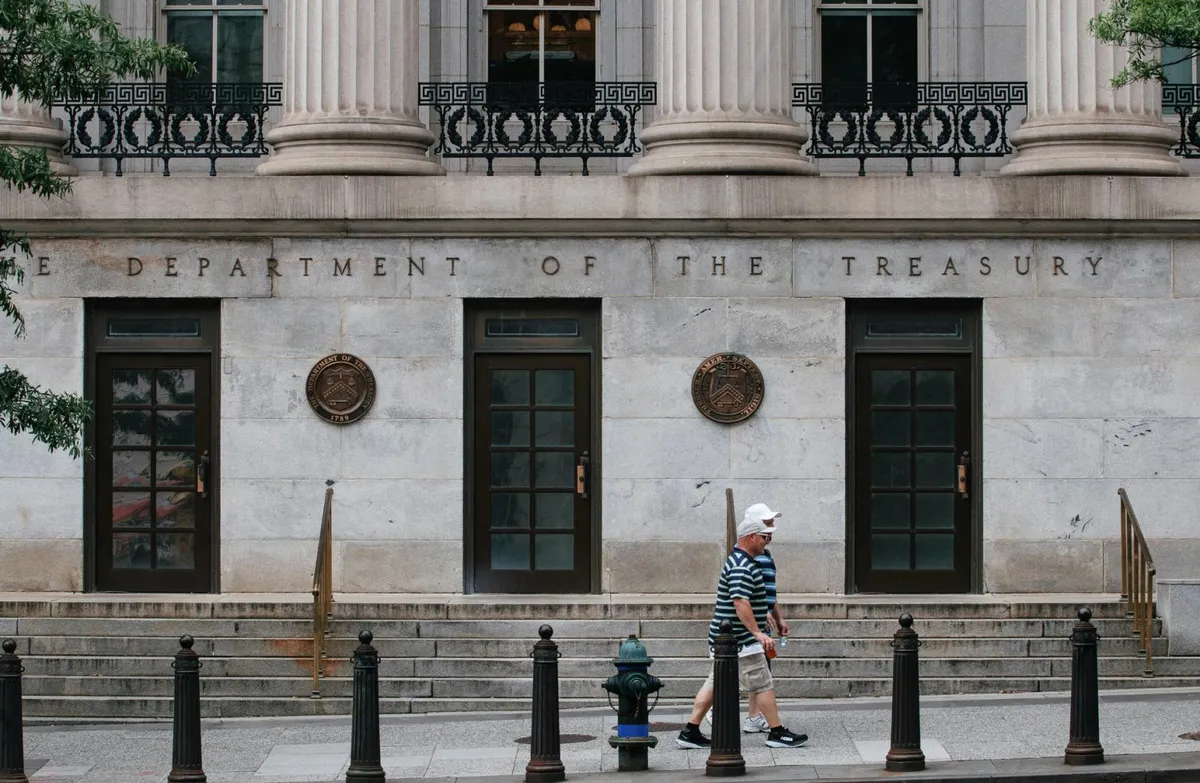
Bessent’s recent attempt to execute a $4 billion bond buyback aimed at lowering Treasury yields has not produced the desired effect, leading to an unexpected surge in bitcoin prices. The strategy, which was anticipated to create a ripple effect in the bond market, instead appears to have coincided with a notable increase in interest in cryptocurrencies, particularly bitcoin. This unusual outcome raises questions about the correlation between traditional financial instruments and digital assets in the current economic environment.
The background of this situation is rooted in ongoing concerns about rising Treasury yields, which have been affecting various asset classes. Investors have been closely monitoring the bond market, as higher yields generally indicate increasing borrowing costs and can dampen economic growth. Bessent’s move was seen as a strategic effort to stabilize yields, yet the lack of impact signals a shift in market dynamics. Instead of reacting to the bond buyback, investors are pivoting towards alternative assets, including bitcoin and gold, which are often viewed as safe havens in times of uncertainty.
This development is significant for the market as it highlights a growing divergence between traditional finance and the burgeoning cryptocurrency sector. The surge in bitcoin following the bond buyback announcement suggests that investors may be losing faith in conventional methods of managing interest rates and are instead seeking refuge in digital assets. This shift could indicate a broader trend where cryptocurrencies are increasingly viewed not just as speculative investments but as viable hedges against economic instability.
Industry reactions to the bond buyback's failure to lower yields have been mixed, with some experts emphasizing the resilience of bitcoin in the face of traditional market pressures. Analysts point out that the cryptocurrency's rise in value during this period could suggest a fundamental shift in investor sentiment. Many in the crypto community view this as validation for bitcoin’s role as a store of value, akin to gold, especially during turbulent economic times.
Looking forward, it will be interesting to see how the interplay between traditional finance and cryptocurrencies evolves. Should the trend of investors flocking to bitcoin continue, we may witness greater integration of digital assets into mainstream financial strategies. Additionally, further actions from the Federal Reserve regarding interest rates and economic policy could further influence this dynamic, potentially leading to more volatility in both the bond and crypto markets.

CoinMagnetic Team
Crypto investors since 2017. We trade with our own money and test every exchange ourselves.
Updated: August 2026
From our insights:
Related news

Bitcoin-backed loans now fund tuition and working capital for borrowers
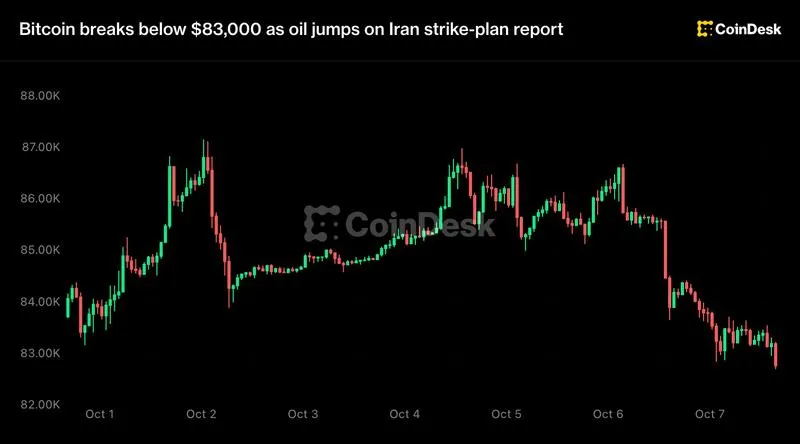
Bitcoin dips below $83,000 as oil prices surge on Iran strike plans

Hunter Biden urges LAPTOP market maker to buy back and destroy tokens

Coinbase brings global crypto derivatives liquidity to US with Deribit integration

Research reveals $1.2B drained from DeFi via flash loan attacks since 2020