Bernstein says Clarity Act failure could accelerate SEC, CFTC crypto rulemaking

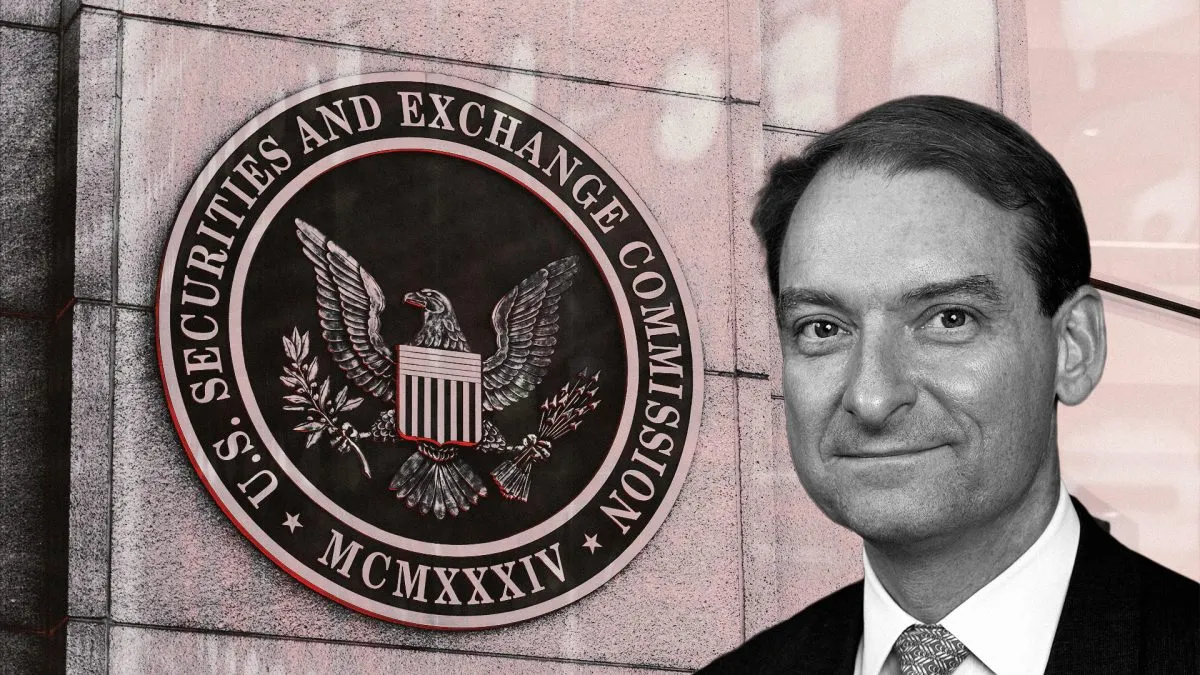
In a recent analysis, Bernstein has raised concerns regarding the potential implications of the Clarity Act's failure to pass this year. The investment firm suggests that if this legislation, aimed at providing clear regulatory guidelines for cryptocurrencies, does not move forward, it could prompt the Securities and Exchange Commission (SEC) and the Commodity Futures Trading Commission (CFTC) to accelerate their own rulemaking processes. Bernstein's report indicates that the lack of a unified regulatory framework may lead regulatory bodies to take more unilateral action, potentially resulting in a patchwork of rules that could impact the crypto market significantly.
The Clarity Act was introduced to establish a clear regulatory framework for digital assets, addressing the ambiguity that has long surrounded the classification of cryptocurrencies. With varying interpretations of how these assets should be regulated, many in the industry have been advocating for more definitive guidelines. The failure of the Clarity Act would mean that the existing uncertainty remains, which could lead to increased scrutiny from regulators as they seek to provide oversight in the absence of cohesive legislation. This backdrop of regulatory ambiguity has left many market participants in a state of apprehension and could influence their investment decisions going forward.
The implications of accelerated rulemaking by the SEC and CFTC could be profound for the crypto market. Bernstein's assessment suggests that hastily enacted regulations may not only create volatility but also deter innovation within the sector. As regulatory bodies move to impose rules without the clarity that the Clarity Act would have provided, market participants might face a more challenging environment, marked by compliance costs and uncertainties. Such developments could ultimately influence the market's growth trajectory and investor confidence.
Industry experts have weighed in on Bernstein's analysis, noting that a push for faster rulemaking might not be in the best interest of the market. Many believe that hasty regulations could stifle innovation, particularly as the crypto industry is characterized by rapid technological advancements. Some analysts argue that a more measured approach, perhaps through continued dialogue with industry stakeholders, would lead to more effective and sustainable regulations. The sentiment among many in the industry is that clarity is essential, but the manner in which that clarity is achieved is equally important.
Looking ahead, if the Clarity Act does not pass, we may see increased engagement from both regulators and industry participants as they navigate this uncertain landscape. The SEC and CFTC may ramp up their efforts to establish rules that could address the myriad of issues facing the sector, while crypto firms may need to adapt quickly to any new guidelines that emerge. The coming months will be critical as the industry watches how regulators respond to the ongoing challenges posed by the lack of cohesive legislation, and whether any new frameworks will foster a more stable environment for crypto assets.

CoinMagnetic Team
Crypto investors since 2017. We trade with our own money and test every exchange ourselves.
Updated: August 2026
From our insights:
Related news

S&P Global's OpenZeppelin acquisition enhances focus on tokenized finance risk
SEC unveils innovation exemption to modernize capital markets amid stalled crypto legislation

S&P Global to acquire blockchain security platform OpenZeppelin

Crypto.com registers with SEC for single-stock futures, plans US stock perps

Crypto shows resilience with gains after Fed's first rate hike since 2023