Banks' survey says people don't want to rock the boat if stablecoin yield risks lending
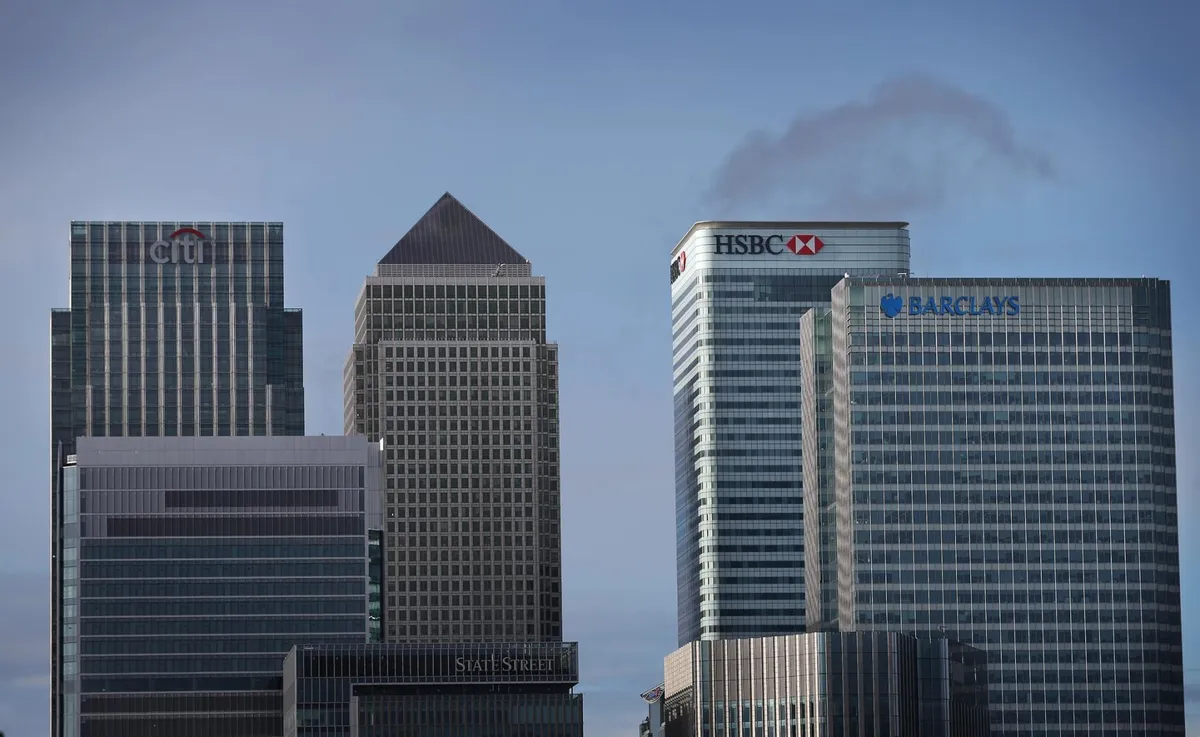
A recent survey conducted by the American Bankers Association (ABA) has revealed a notable hesitation among consumers regarding stablecoin lending. The findings indicate that many individuals are wary of engaging with stablecoins due to the perceived risks associated with yields and the potential instability they could introduce into their financial dealings. This poll comes at a time when the ABA continues to advocate for regulatory clarity surrounding cryptocurrencies, particularly in relation to stablecoins, which are often viewed as a bridge between traditional finance and the crypto world.
The ABA's survey is not merely a reflection of current consumer sentiment; it encapsulates a broader tension between traditional banking institutions and the rapidly evolving crypto sector. Historically, banks have expressed concerns about the implications of stablecoins on the stability of financial systems, especially considering their potential to disrupt conventional lending practices. The ongoing discussions around regulation, particularly influenced by the Clarity Act, further illustrate the divide between the goals of the banking sector and the innovations that cryptocurrencies present.
The implications of these findings are significant for the cryptocurrency market. As consumers express reluctance to adopt stablecoins for lending, it raises questions about the future demand for these digital assets and their role in the broader financial ecosystem. If consumers remain hesitant, it could hinder the growth of stablecoin usage, ultimately affecting liquidity and adoption rates. This scenario poses a challenge for crypto developers and investors who are banking on stablecoins as a viable alternative to traditional assets.
Industry reactions to the survey have been mixed. Some experts argue that the findings highlight a critical need for educational initiatives aimed at demystifying stablecoins and their associated risks. Others suggest that the polling underscores a lack of trust in the crypto space, which could stymie innovation unless significant strides are made in regulatory frameworks. As banks continue to lobby for clearer guidelines, the conversations around stablecoin safety and consumer protection are expected to intensify, potentially leading to more collaborative efforts between the two sectors.
Looking ahead, the ABA's survey may serve as a catalyst for further discussions on the future of stablecoins and their integration within the traditional banking system. As regulatory bodies and financial institutions engage with the findings, we may see a push for clearer guidelines that could alleviate consumer concerns. The evolution of this relationship between stablecoins and traditional finance will be crucial in determining the direction of both industries in the coming months.

CoinMagnetic Team
Crypto investors since 2017. We trade with our own money and test every exchange ourselves.
Updated: June 2026
From our insights:
Related news
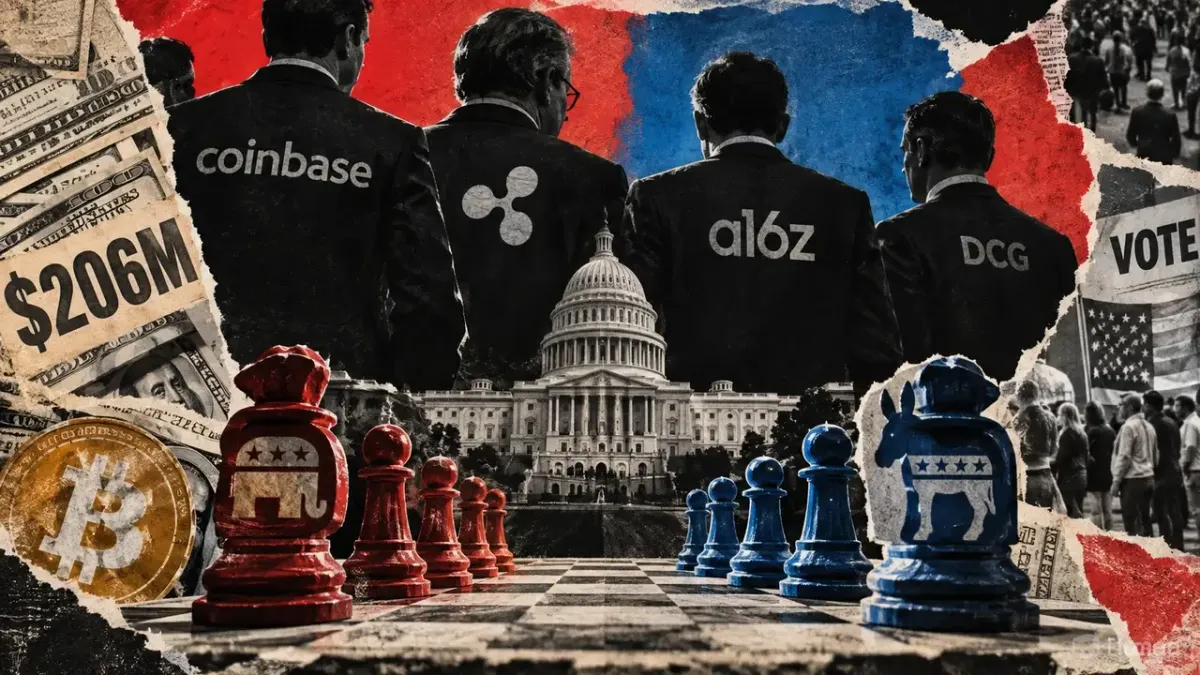
Crypto sector emerges as top donor with $206 million in midterms backing

Stand With Crypto’s 4 million registered advocates couldn’t get the CLARITY Act through the Senate

Kakao Pay, KakaoBank to explore stablecoin opportunities with Fireblocks

US Attorney's investigation into Binance focuses on Iran sanctions compliance

ECB initiates wholesale digital euro for banks and tokenized bond purchases