Bank of Thailand targets USDT and cash flows in gray money crackdown
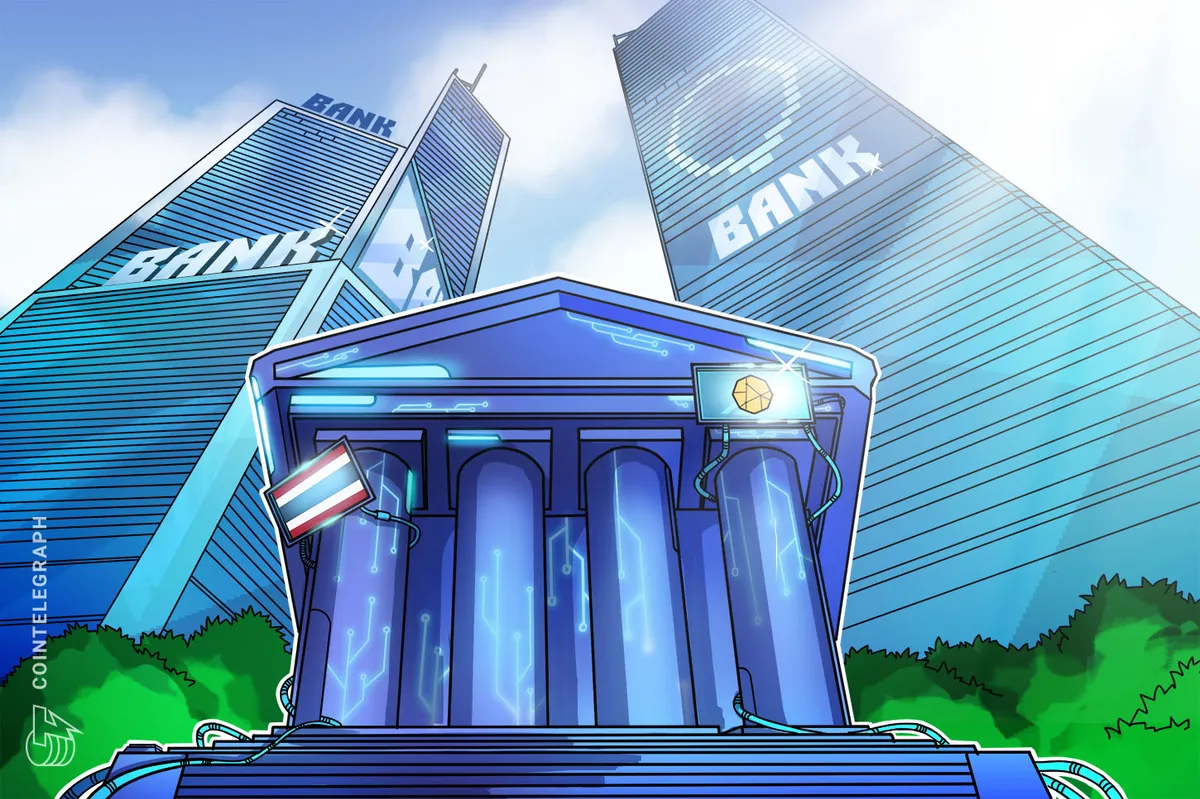
The Bank of Thailand has recently announced a significant initiative aimed at cracking down on the use of Tether (USDT) and curbing cash flows associated with what it labels as a “gray money” economy. This move comes in response to growing concerns about the proliferation of Chinese-affiliated scam centers operating within the country. These centers have reportedly been laundering substantial amounts of illicit gains, often using cryptocurrencies as a vehicle for their transactions. The central bank’s focus on USDT, a popular stablecoin, indicates a broader strategy to regulate and monitor digital currency flows that might be linked to illegal activities.
To understand the context of this crackdown, it is essential to recognize the broader issues surrounding financial regulation in Thailand. The nation has been grappling with challenges related to money laundering and financial crimes, particularly those tied to foreign entities. The rise of digital currencies has added another layer of complexity, as these assets can facilitate quick and anonymous transactions that complicate traditional oversight efforts. The Thai government has previously expressed concerns about the role of cryptocurrencies in facilitating illicit activities, which has prompted various regulatory measures aimed at enhancing financial transparency.
This latest initiative by the Bank of Thailand is significant for the market, particularly for traders and investors who rely on stablecoins like USDT for liquidity and transactions. The crackdown may lead to increased scrutiny on cryptocurrency exchanges and platforms operating within the country, potentially impacting trading volumes and the overall market dynamics. If the central bank implements stricter regulations or even bans on certain transactions involving USDT, it could lead to a ripple effect throughout the Southeast Asian crypto market, prompting traders to seek alternatives or adapt their strategies in response.
Reactions from industry experts have been mixed, with some expressing concern over the potential implications for legitimate cryptocurrency use in Thailand. While many agree that tackling financial crime is crucial, they warn that overly stringent measures could stifle innovation and push legitimate users toward less regulated platforms. Some analysts suggest that the Bank of Thailand may need to strike a balance between effective regulation and fostering a healthy crypto ecosystem that can thrive under clearer guidelines.
Looking ahead, it remains to be seen how the Bank of Thailand will implement these measures and what specific regulations will emerge. Observers are keenly watching for any announcements or updates regarding enforcement actions and the impact on the broader cryptocurrency landscape in Thailand. If these regulations lead to significant changes in market behavior, it could reshape the way cryptocurrencies are integrated into the Thai economy, influencing both local and regional trading practices in the process.

CoinMagnetic Team
Crypto investors since 2017. We trade with our own money and test every exchange ourselves.
Updated: July 2026
From our insights:
Related news

Standard Chartered brings RLUSD custody to Dubai with LMAX collateral integration

Defunct exchange FTX turns its 20 percent Genesis Digital Assets stake toward AI
Meta's Muse Wonder surpasses GPT-6 Astra in key AI tests but ranks below Opus 5.5
StoneX lifts Securitize target to $18 on Solana tokenized stocks

Bermuda tokenized catastrophe bond aims to close disaster insurance gap