Australia’s proposed CGT changes could discourage long-term crypto holding

Australia is currently facing significant discussions surrounding proposed changes to its Capital Gains Tax (CGT) regulations, which could have profound implications for cryptocurrency investors. The proposed adjustments aim to alter how gains from digital assets are taxed, potentially leading to an increased tax burden on investors who hold their assets for extended periods. This shift has raised concerns among industry leaders, especially regarding its impact on low-income investors, who may find it increasingly difficult to navigate the tax landscape while trying to hold onto their investments.
The context of these changes lies in Australia's evolving approach to cryptocurrency regulation and taxation. Historically, capital gains from assets held for more than a year have been taxed at a lower rate in Australia, incentivizing long-term investment. However, the proposed changes could undermine this principle, making it less attractive for investors to maintain their positions in the market. This shift reflects a broader trend of governments worldwide revising their tax frameworks as cryptocurrencies gain mainstream acceptance and usage.
The potential consequences of these proposed changes for the market are significant. By discouraging long-term holding, the new tax structure could lead to increased short-term trading, which often contributes to higher volatility. Investors may feel pressured to sell their assets earlier than intended to avoid steep tax implications, which could create a more speculative environment rather than one driven by long-term growth and innovation. This could also deter new investors from entering the market, as the fear of high taxes might overshadow the potential for future gains.
Industry reactions to the proposed changes have been swift and critical. Robin Singh, CEO and founder of Koinly, has expressed concerns that these alterations will disproportionately affect low-income investors, who may lack the resources to adapt to a more complex and burdensome tax regime. Many experts within the crypto space fear that such changes could stifle innovation and discourage individuals from participating in what has been viewed as a transformative financial landscape. The sentiment among industry advocates is that a more favorable tax framework is crucial for fostering growth and encouraging responsible investment practices.
Looking ahead, the outcome of these proposed changes remains uncertain. Stakeholders are closely monitoring the discussions and potential revisions that may arise during the legislative process. If implemented, these tax changes could reshape the landscape for crypto investors in Australia, prompting further advocacy for fairer taxation policies that support both innovation and equitable participation in the digital asset market. As the situation evolves, we will continue to keep an eye on how these developments unfold and their impact on both the Australian and global cryptocurrency markets.

CoinMagnetic Team
Crypto investors since 2017. We trade with our own money and test every exchange ourselves.
Updated: May 2026
From our insights:
Related news
Iran hints at reopening Strait of Hormuz, WTI oil drops to $89

New altseason signal emerges as Bitcoin market cap stays under 60%

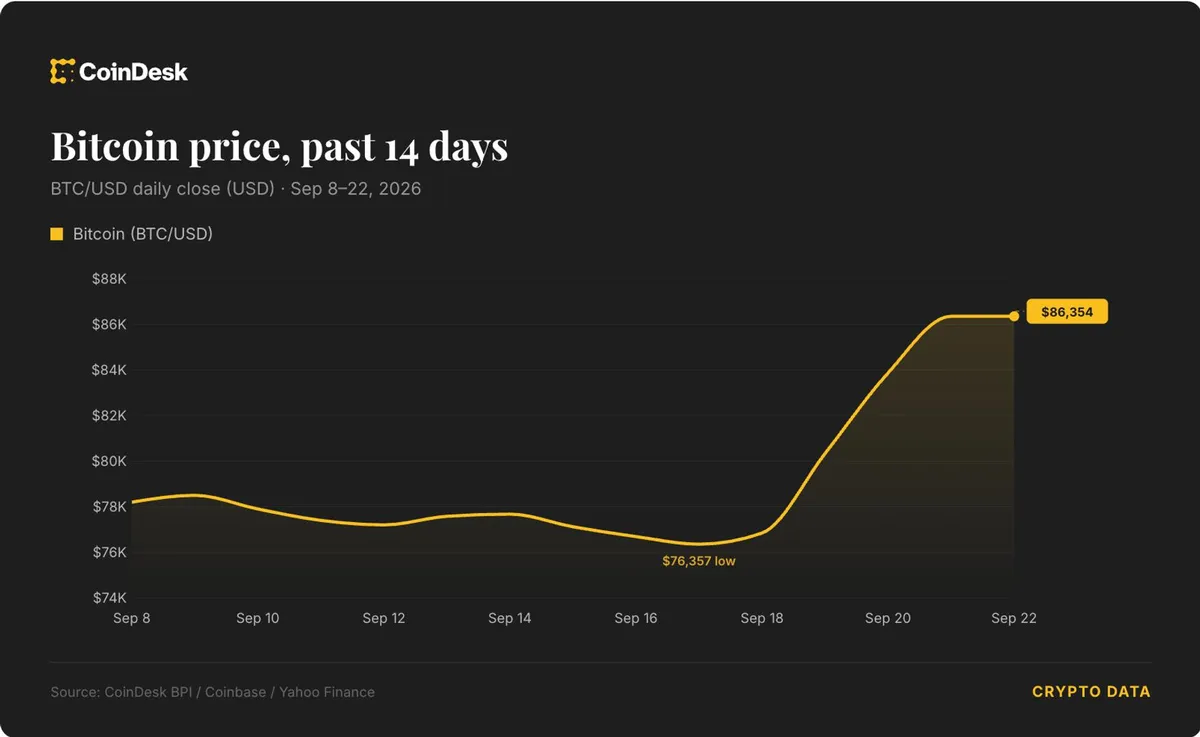
Bitcoin nears $86,000 as crypto market cap surpasses $3 trillion

Bitcoin's weekly close above $81,000 signals potential rise to $90,000

Elon Musk's X integrates bitcoin trading options for U.S. users