Attackers drove 63% of early use of Ethereum’s new smart wallet feature
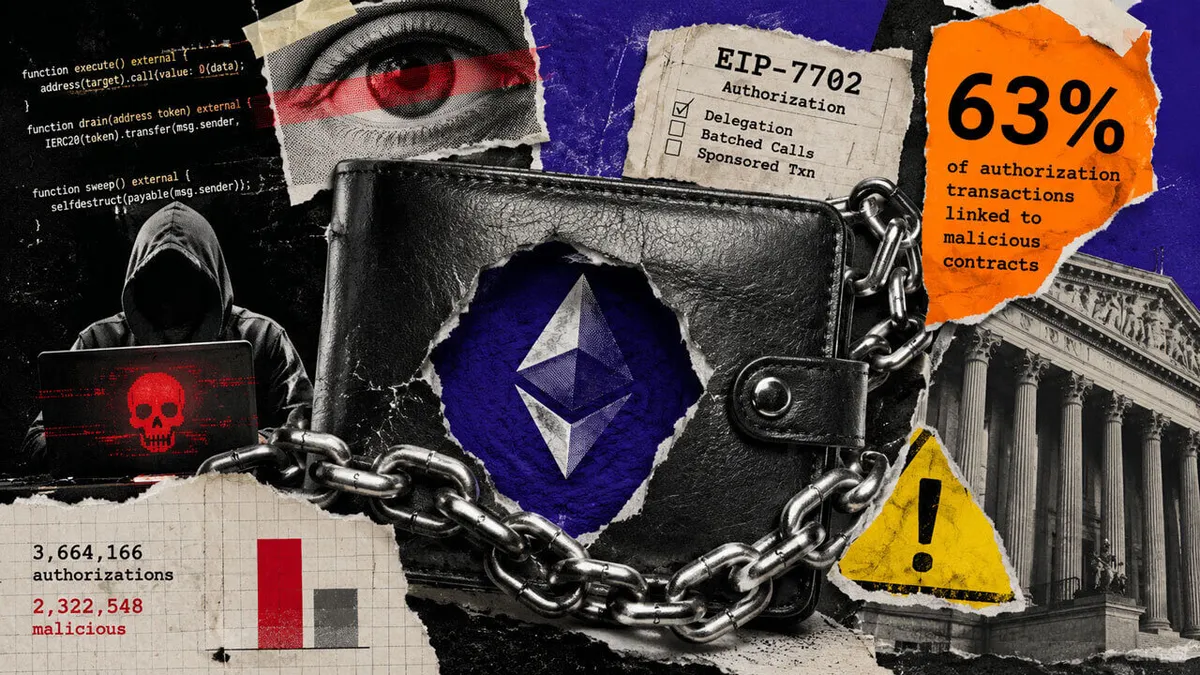
Recent research has revealed that a staggering 63% of the early authorization transactions for Ethereum’s new smart wallet feature are associated with contracts linked to attackers. This alarming statistic highlights potential vulnerabilities in the implementation of the feature, as attackers exploited its early adoption phase. In total, the analysis measured losses amounting to approximately $2.36 million as a direct result of these unauthorized transactions, raising serious concerns about security protocols in the Ethereum ecosystem.
The context surrounding this issue is rooted in the rapid evolution of smart contract technology on the Ethereum network. As developers introduce innovative features like the smart wallet, the landscape becomes increasingly attractive to malicious actors seeking to exploit weaknesses. Ethereum’s popularity as a leading platform for decentralized applications also makes it a prime target for these types of attacks. The researchers' findings serve as a wake-up call to the community about the necessity for robust security measures in new functionalities.
This situation is significant for the market as it brings to light the ongoing challenges associated with security in decentralized finance (DeFi) platforms. Users and investors may become wary of utilizing new features if they perceive them as susceptible to exploitation. The financial losses reported can undermine user confidence in Ethereum’s advancements and may slow down the adoption of innovative solutions. Furthermore, it can lead to increased scrutiny from regulators as they look to establish clearer frameworks for security in cryptocurrency transactions.
Industry reactions have been mixed, with some experts urging for immediate action to address the security flaws in the wallet feature. Others have pointed out that such vulnerabilities are not uncommon in the early stages of technology adoption and that the community must adapt and strengthen its defenses over time. This incident has sparked discussions around best practices for security audits and the need for continuous monitoring of smart contracts to prevent similar occurrences in the future.
Looking ahead, it is crucial for Ethereum developers and stakeholders to prioritize security enhancements for the smart wallet feature. Engaging with the community and integrating user feedback can lead to a more secure environment. Additionally, implementing stricter auditing processes for contracts could help mitigate future risks. As the ecosystem evolves, the emphasis on security will be vital to maintaining the trust of users and ensuring the long-term success of Ethereum's innovations.

CoinMagnetic Team
Crypto investors since 2017. We trade with our own money and test every exchange ourselves.
Updated: August 2026
From our insights:
Related news
Bitcoin's second golden cross signals potential durability in rally

Bitcoin hits highest weekly close in eight months but struggles to break higher

Strive's bitcoin holdings approach 30,000 BTC after latest purchase

Bitmine's Ethereum holdings surge past 6 million ETH, nearing 5% supply goal
Ethereum outperforms S&P 500 by 6,832 basis points as Bitmine adds 15,112 ETH